Arunachal Pradesh draft electoral rolls: 81% of 8.87 lakh voters enumerated
Synopsis
Arunachal Pradesh has released its draft electoral rolls after 81% of its 8.87 lakh registered voters submitted enumeration forms — a significant logistical achievement across 26 districts and 2,233 booth-level officers. Voters left out have until 20 August to seek inclusion, with final rolls due on 22 September 2026.
Key Takeaways
Arunachal Pradesh published its draft electoral rolls on 21 July 2026 after completing the SIR enumeration phase.
7,18,046 electors — around 81% of the state's 8,87,505 registered voters — submitted Enumeration Forms by 14 July .
The remaining 1,69,459 forms were uncollected due to permanent shifting, absence, deaths, duplicate enrolment, and other reasons.
Eligible voters not in the draft rolls can apply for inclusion during the claims and objections period: 21 July to 20 August 2026 .
Final electoral rolls are scheduled for publication on 22 September 2026 .
The drive involved 2,233 BLOs , 60 EROs , 206 AEROs , and 3,131 party-appointed Booth Level Agents across 26 districts .
Arunachal Pradesh published its draft electoral rolls on Tuesday, 21 July 2026, following the completion of the enumeration phase of the Special Intensive Revision (SIR) of electoral rolls. Around 81 per cent of the state's 8.87 lakh registered electors successfully completed the enumeration process, officials confirmed.
Key Figures from the Enumeration Phase
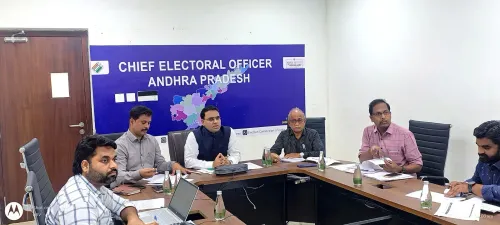
Chief Electoral Officer (CEO) Pawan Kumar Sain disclosed that 7,18,046 electors — roughly 81 per cent of the state's 8,87,505 registered voters as on 2 June — had submitted their Enumeration Forms by 14 July. The CEO described this as reflecting strong public participation in the third phase of the SIR exercise.
The remaining 1,69,459 forms could not be collected due to multiple reasons: permanent shifting of electors (8.90 per cent), electors being absent or untraceable (6.16 per cent), deaths (2.88 per cent), duplicate enrolment (0.56 per cent), and other reasons (0.60 per cent).
Claims and Objections Window: 21 July to 20 August
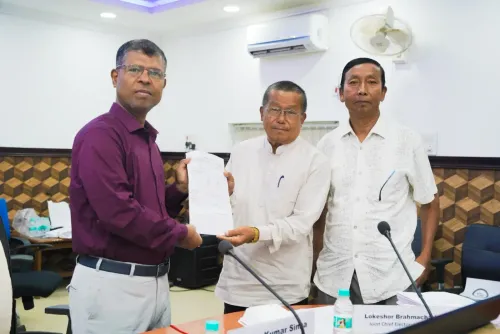
Sain clarified that genuine and eligible voters whose names do not appear in the draft rolls can apply for inclusion during the claims and objections period from 21 July to 20 August. He stressed that no name would be deleted without prior notice and a reasoned order issued by the Electoral Registration Officer (ERO) or Assistant Electoral Registration Officer (AERO).
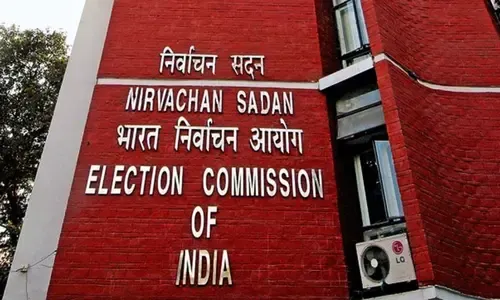
The Election Commission of India's stated objective, according to Sain, is to ensure every eligible elector is included while ineligible entries are removed through a transparent, legally mandated process.
Ground-Level Machinery Behind the Drive
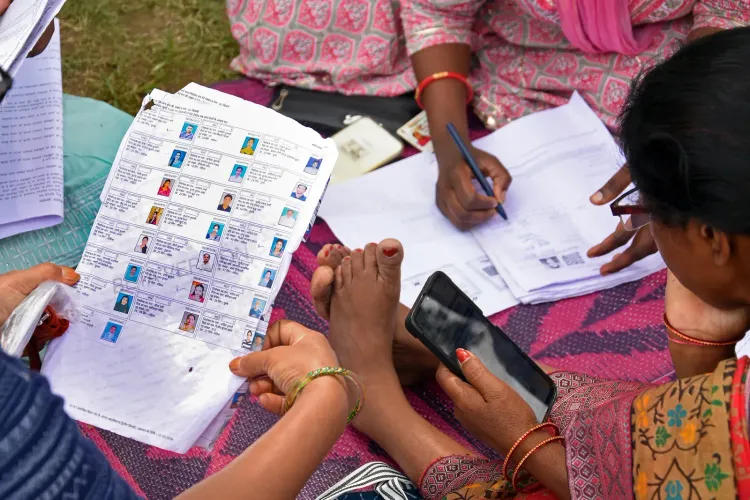
The successful completion of the enumeration phase involved coordinated efforts across the state, including District Election Officers (DEOs) from all 26 districts, 60 EROs, 206 AEROs, 248 Booth Level Officer Supervisors, and 2,233 Booth Level Officers (BLOs), supported by volunteers.
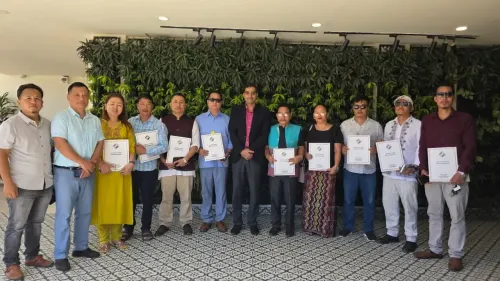
Recognised political parties also played an active role. A total of 3,131 Booth Level Agents (BLAs), appointed by parties along with their district presidents, assisted in the enumeration exercise — a sign of multi-party investment in the process.
Final Rolls to Be Published on 22 September 2026
The final electoral rolls, after the SIR process concludes, are scheduled to be published on 22 September 2026. This comes as the Election Commission continues its nationwide push for cleaner, more accurate voter lists — particularly in states with challenging terrain and dispersed populations like Arunachal Pradesh, where reaching every booth-level voter presents logistical complexity.
Point of View
Limited connectivity, and dispersed tribal settlements make door-to-door voter verification genuinely difficult. But the 1.69 lakh uncollected forms deserve scrutiny: nearly 9% are attributed to 'permanent shifting,' a category that often masks unresolved migration data rather than clean deletions. The claims window running only 30 days in a state where awareness and digital access are uneven may not be sufficient for genuine voters to seek reinstatement. The Election Commission's insistence that no deletion occurs without a reasoned ERO order is the right safeguard — the test is whether it holds at the ground level across all 26 districts.
NationPress
20 Oct 2026
Frequently Asked Questions
What is the Special Intensive Revision (SIR) of electoral rolls in Arunachal Pradesh?
The Special Intensive Revision (SIR) is a structured exercise by the Election Commission of India to update and clean electoral rolls by physically enumerating voters at their registered addresses. In Arunachal Pradesh, the enumeration phase concluded before 14 July 2026, resulting in the publication of draft rolls on 21 July 2026.
Who can apply for inclusion in the Arunachal Pradesh electoral rolls after the draft is published?
Any eligible voter whose name does not appear in the draft electoral rolls can apply for inclusion during the claims and objections period, which runs from 21 July to 20 August 2026. Applications can be submitted to the relevant Electoral Registration Officer or Assistant Electoral Registration Officer.
Why were 1,69,459 enumeration forms not collected in Arunachal Pradesh?
According to Chief Electoral Officer Pawan Kumar Sain, the uncollected forms were due to permanent shifting of electors (8.90%), electors being absent or untraceable (6.16%), deaths (2.88%), duplicate enrolment (0.56%), and other reasons (0.60%). Sain clarified that eligible voters left out can still apply during the claims window.
When will the final Arunachal Pradesh electoral rolls be published?
The final electoral rolls, following the completion of the full SIR process including the claims and objections period, are scheduled to be published on 22 September 2026.
How many officials and agents were involved in the Arunachal Pradesh SIR enumeration?
The enumeration involved District Election Officers from all 26 districts, 60 Electoral Registration Officers, 206 Assistant EROs, 248 Booth Level Officer Supervisors, and 2,233 Booth Level Officers. Political parties contributed 3,131 Booth Level Agents to support the process.