Women outnumber men in Arunachal Pradesh electoral rolls after SIR

Synopsis
For the third northeastern state in a row, women have outpaced men on the final voter list. Arunachal Pradesh's completed Special Intensive Revision reveals 3,52,315 women against 3,43,709 men — a gender ratio of 1,025 — while also exposing a dramatic drop of nearly 1.91 lakh electors from the pre-SIR count, largely due to absent, shifted, and duplicate registrations.
Key Takeaways
Arunachal Pradesh now has 6,96,026 registered voters as per the final electoral rolls published on 22 September 2026 .
Women voters total 3,52,315 , outnumbering men at 3,43,709 ; gender ratio stands at 1,025 .
The rolls show a reduction of 1,91,479 electors from the pre-SIR count of 8,87,505 .
Arunachal Pradesh joins Manipur (gender ratio 1,056 ) and Mizoram ( 1,073 ) in recording more women voters than men — all three above the national average.
Key reasons for deletions include 78,980 shifted , 54,678 absent or untraceable , 25,573 deceased , and 4,947 duplicate entries.
Women voters have outnumbered their male counterparts in Arunachal Pradesh's final electoral rolls, following the completion of the Special Intensive Revision (SIR) in the northeastern border state, officials said on Tuesday, 22 September 2026. The development places Arunachal Pradesh alongside Manipur and Mizoram as the third consecutive northeastern state to record a higher proportion of women on its voter list.
Key Figures in the Final Electoral Rolls
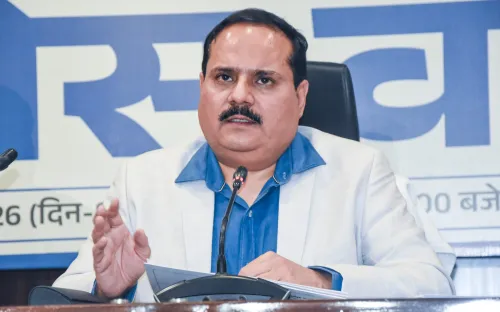
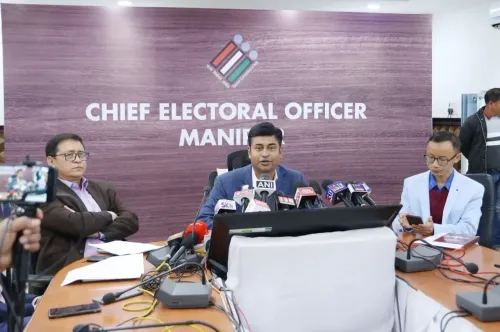
Chief Electoral Officer (CEO) Pawan Kumar Sain published the final rolls with 1 July 2026 as the qualifying date. The state now has 6,96,026 registered voters in total — comprising 3,52,315 women, 3,43,709 men, and two third-gender electors. The gender ratio stands at 1,025, meaning there are 1,025 women for every 1,000 men on the rolls.
Notably, the figure represents a sharp reduction from the pre-SIR count. The total voter base before the draft electoral rolls were published on 21 July 2026 was 8,87,505 — a difference of 1,91,479 electors from the current final count of 6,96,026.
How Arunachal Compares with Manipur and Mizoram
Arunachal Pradesh's gender ratio of 1,025 is lower than that recorded in Mizoram (1,073) and Manipur (1,056), whose final electoral rolls following their respective SIRs were published on 8 September and 6 September 2026. All three figures are significantly above the national average, underscoring a broader trend of stronger women voter registration across these northeastern states.
Why Electors Were Removed from the Draft Rolls
A total of 8,803 electors were included in the final rolls, while 1,924 voters were deleted from the draft published on 21 July 2026. CEO Sain also released a list of electors whose Enumeration Forms were not returned, citing the following probable reasons: absent or untraceable (54,678), shifted (78,980), death (25,573), duplicate (4,947), and others (5,281).
How the SIR Was Conducted
Following instructions issued by the Election Commission of India (ECI) on 14 May 2026, the SIR in Arunachal Pradesh commenced on 5 June 2026. Draft electoral rolls were published on 21 July 2026, reflecting 7,18,046 voters at that stage, including 3,64,079 women electors. The final revision process resulted in a net reduction in registered voters, primarily driven by the large number of absent, shifted, or deceased electors identified during enumeration.
With three northeastern states now showing women outnumbering men on their voter lists, the ECI's SIR exercise is drawing fresh attention as a model for cleaning electoral rolls while also surfacing granular demographic data across India's border regions.
Point of View
Largely due to absent, shifted, and duplicate registrations, raises pointed questions about how representative earlier rolls were. The broader Northeast gender-ratio pattern, while encouraging for women's civic participation, also warrants scrutiny: are these numbers a reflection of genuine enrolment gains, or do they partly reflect the faster deletion of male entries in migrant-heavy constituencies? The ECI would do well to publish a state-wise methodology note before the pattern is cited as a national benchmark.
NationPress
22 Sept 2026
Frequently Asked Questions
What did Arunachal Pradesh's final electoral rolls after the SIR show?
The final rolls show Arunachal Pradesh has 6,96,026 registered voters as of 1 July 2026, with women ( 3,52,315 ) outnumbering men ( 3,43,709 ) and a gender ratio of 1,025 . This makes it the third northeastern state after Manipur and Mizoram to record more women voters than men.
Why did the total number of voters fall so sharply after the SIR?
The voter count dropped by 1,91,479 from the pre-SIR total of 8,87,505 to the final figure of 6,96,026 . The main reasons cited are electors who were absent or untraceable ( 54,678 ), shifted ( 78,980 ), deceased ( 25,573 ), or listed as duplicates ( 4,947 ).
How does Arunachal Pradesh's gender ratio compare with Manipur and Mizoram?
Arunachal Pradesh's gender ratio of 1,025 is lower than Mizoram's 1,073 and Manipur's 1,056 , though all three are significantly above the national average. Mizoram and Manipur published their final SIR-based rolls on 8 September and 6 September 2026 , respectively.
When did the Special Intensive Revision in Arunachal Pradesh begin and end?
The SIR commenced on 5 June 2026 following Election Commission of India instructions issued on 14 May 2026 . Draft rolls were published on 21 July 2026 and the final rolls on 22 September 2026 .
Who announced the final electoral rolls for Arunachal Pradesh?
Chief Electoral Officer Pawan Kumar Sain published the final electoral rolls, with 1 July 2026 as the qualifying date, and detailed the voter additions, deletions, and reasons for non-receipt of Enumeration Forms.