Karnataka final electoral roll: 4.55 crore voters after SIR drops 99 lakh names
Synopsis
Karnataka's electoral roll shed nearly one-fifth of its registered voters in a single revision exercise — over 99 lakh names struck off for being absent, deceased, duplicate, or permanently shifted. The final list of 4.55 crore is the most thoroughly audited voter database the state has produced, and its accuracy will be closely scrutinised ahead of future elections.
Key Takeaways
Karnataka 's final electoral roll, published on 27 October 2026 , lists 4,55,00,011 electors following the SIR-2026 exercise.
More than 99.32 lakh names were dropped from the pre-SIR total of 5,54,32,314 — a reduction of nearly 18% .
Dropped entries include 65.45 lakh permanently shifted , 16.39 lakh deceased , 19 lakh absent , and 7.09 lakh duplicate entries.
The final roll includes 6,83,364 first-time voters aged 18-19 and 5,65,340 voters with disabilities .
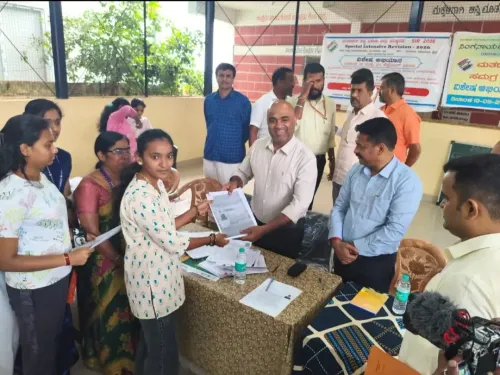
The exercise spanned all 224 Assembly constituencies and deployed 60,923 BLOs across as many polling stations.
The roll remains open for continuous updation ; aggrieved voters can appeal under the Representation of the People Act, 1950 .
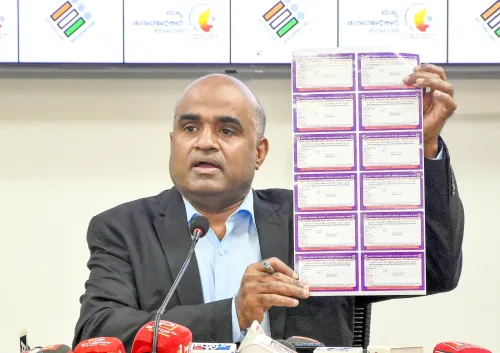
The Office of the Chief Electoral Officer (CEO), Karnataka, on 27 October 2026 published the state's final electoral roll with 4,55,00,011 electors, following the conclusion of the Special Intensive Revision (SIR)-2026. The figure marks a sharp contraction from the pre-SIR total of 5,54,32,314 voters, with more than 99.32 lakh names dropped in the largest electoral-roll cleansing exercise Karnataka has seen in recent years.
Voter Breakdown by Gender and Category
According to the final roll, Karnataka now has 2,25,40,493 male voters, 2,29,12,355 female voters, and 2,841 voters belonging to the third gender. The number of service electors stands at 44,322. The revision was conducted across all 224 Assembly constituencies, with 1 October 2026 as the qualifying date, in accordance with the directions of the Election Commission of India (ECI).
The roll also captures 6,83,364 young electors aged 18-19 years — comprising 3,64,551 males, 3,18,795 females, and 18 third-gender voters. The 20-29 age group accounts for 86,56,838 electors. Additionally, the state records 5,65,340 electors with disabilities, 3,92,134 electors aged 85 years and above, and 3,252 Non-Resident Indian (NRI) electors.
Why Over 99 Lakh Names Were Removed
The CEO's office categorised the 1,07,96,339 electors whose enumeration forms were not submitted into four groups: 19,00,926 absent electors (3.43%), 65,45,679 permanently shifted electors (11.81%), 16,39,864 deceased electors (2.96%), and 7,09,870 duplicate entries (1.28%). Of the original 5,54,32,314 electors, only 80.52% submitted their enumeration forms to Booth Level Officers (BLOs); those who did not were excluded from the draft roll published on 24 August 2026.
During the claims and objections phase, 43,82,824 notices were generated, hearings were held in all cases, and 61,867 electors were ultimately marked ineligible for inclusion. The notice and disposal process ran until 22 October 2026, with the final roll published five days later.
Scale of the SIR Exercise
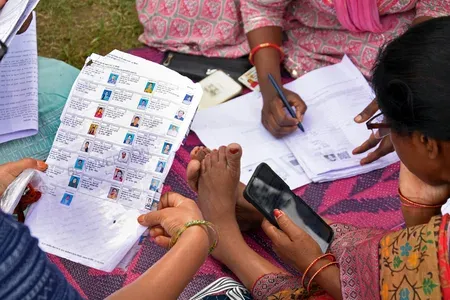
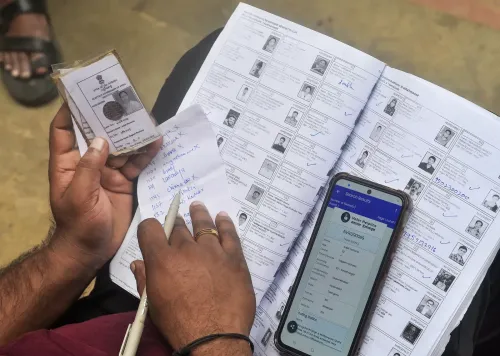
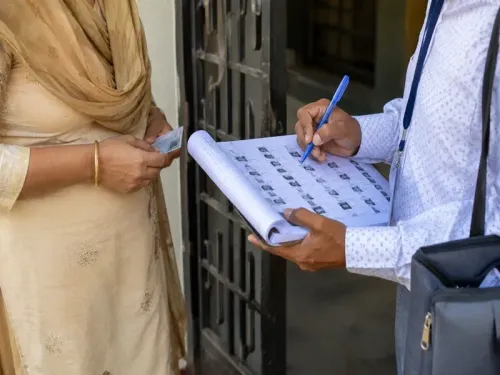
The SIR unfolded in multiple phases: house-to-house verification by BLOs ran from 30 June to 17 August; the draft roll was published on 24 August; and claims and objections were accepted from 24 August to 23 September. The exercise mobilised an extensive administrative apparatus — 34 election districts, 34 roll observers, 224 Electoral Registration Officers (EROs), 336 Assistant Electoral Registration Officers (AEROs), 3,926 additional AEROs, 6,092 BLO supervisors, and 60,923 BLOs deployed at as many polling stations. A further 1,33,092 booth-level agents from seven registered and recognised political parties supported the process.
What Happens Next
The CEO's office has clarified that the electoral roll will remain open for continuous updation throughout the year. Citizens can apply for enrolment, entry corrections, change of residence, disability marking, and replacement of Elector Photo Identity Cards (EPICs). Voters aggrieved by an ERO decision can appeal to the District Magistrate under Section 24(a) of the Representation of the People Act, 1950, and further to the Chief Electoral Officer under Section 24(b). Copies of the final roll have been shared with representatives of all recognised political parties.
Point of View
And the scale demands scrutiny beyond the headline figures. Nearly 65.5 lakh entries were categorised as 'permanently shifted' — a classification that hinges on BLO judgement during house-to-house visits and is inherently prone to error or misclassification, particularly for migrant workers who retain a legal right to vote at their registered address. The 19 lakh 'absent' category is similarly opaque: absence at the time of a BLO visit is not the same as ineligibility. Without independent third-party verification of at least a sample of deletions, the question of whether the SIR produced a cleaner roll or a smaller one remains open. The ECI's intent to run a rigorous, fraud-free roll is legitimate; the execution standard is what elections will ultimately turn on.
NationPress
27 Oct 2026
Frequently Asked Questions
What is the Special Intensive Revision (SIR) of Karnataka's electoral rolls?
The SIR-2026 was a statewide exercise directed by the Election Commission of India to verify, update, and cleanse Karnataka's voter list, using 1 October 2026 as the qualifying date. It involved house-to-house verification by Booth Level Officers across all 224 Assembly constituencies, followed by a draft roll, a claims-and-objections period, and a final publication on 27 October 2026.
Why were over 99 lakh names dropped from Karnataka's voter list?
The CEO's office categorised the removed entries as absent (19 lakh), permanently shifted (65.45 lakh), deceased (16.39 lakh), or duplicate (7.09 lakh). Electors who did not submit enumeration forms to BLOs during the verification window were excluded from the draft roll and subsequently from the final list.
How many voters are now on Karnataka's final electoral roll?
The final roll published on 27 October 2026 lists 4,55,00,011 electors, comprising 2,25,40,493 males, 2,29,12,355 females, and 2,841 third-gender voters, along with 44,322 service electors.
Who can challenge their removal from Karnataka's voter list?
Voters aggrieved by an ERO's decision can file an appeal before the District Magistrate under Section 24(a) of the Representation of the People Act, 1950. A further second appeal can be made to the Chief Electoral Officer under Section 24(b) of the same Act. The roll also remains open for continuous updation throughout the year.
How many first-time and young voters are on the Karnataka electoral roll?
The final roll includes 6,83,364 electors aged 18-19 years and 86,56,838 electors in the 20-29 age group. The 18-19 cohort comprises 3,64,551 males, 3,18,795 females, and 18 third-gender voters.