Karnataka SIR: 89% enumeration forms distributed, 3.36 lakh electors flagged for removal
Synopsis
Karnataka's voter roll overhaul is 89% done on form distribution — but the numbers beneath reveal scale: 3.36 lakh electors flagged for removal, over 1.18 lakh found deceased. Now a political storm over Permanent Residency Certificates has turned a routine electoral exercise into a flashpoint over immigration, demography, and who gets to vote.
Key Takeaways
The Chief Electoral Officer, Karnataka reported 89.02% of Enumeration Forms distributed — 4,93,43,328 forms in total — as of 10 July 2026 .
30,687 polling stations (51.97%) have achieved 100% distribution ; 13,001 stations have crossed the 90% mark.
Over 3,36,888 electors flagged under the ASDDO category , including 1,18,275 deceased and 1,82,292 permanently shifted voters.
Shivakumar announced Permanent Residency Certificates (PRCs) to help eligible voters participate in the SIR.
Union Minister Shobha Karandlaje alleged the PRC move could benefit illegal immigrants and poses a national security risk.
The enumeration drive runs from 30 June to 29 July 2026 ; Karnataka had 5,54,32,314 registered electors as of 16 June 2026 .
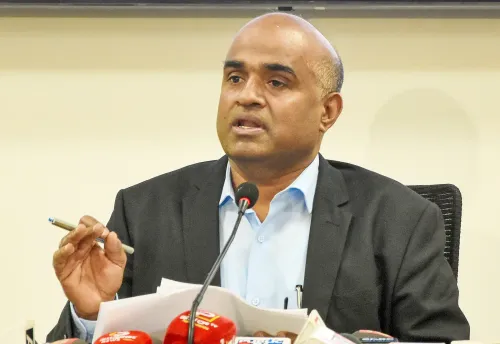
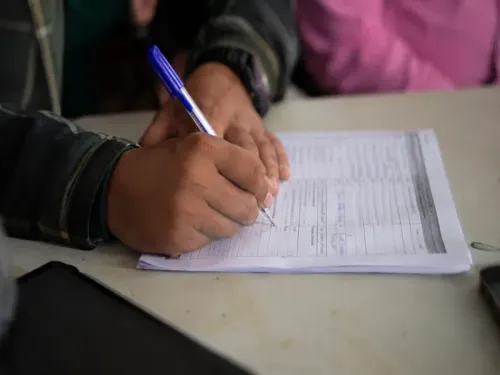
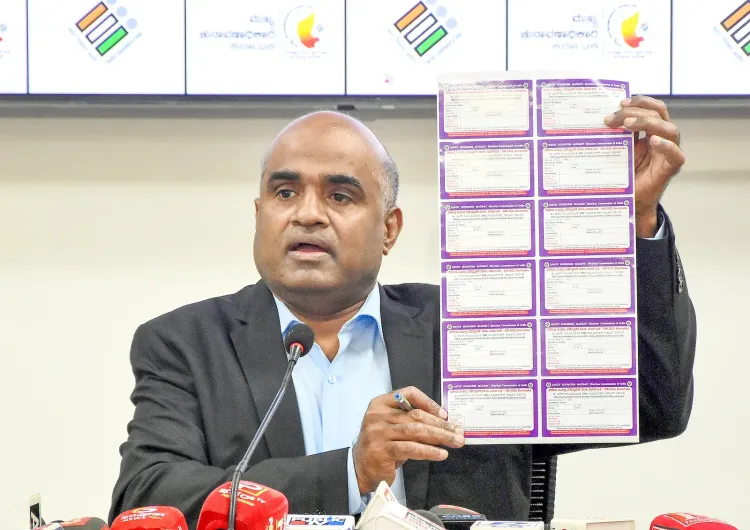
The Office of the Chief Electoral Officer (CEO), Karnataka, on Friday, 10 July 2026, reported that 89.02 per cent of Enumeration Forms (EFs) have been distributed across the state as part of the ongoing Special Intensive Revision (SIR) of electoral rolls — a sweeping house-to-house exercise that has already flagged over 3.36 lakh electors for potential deletion.
Distribution Progress Across Polling Stations
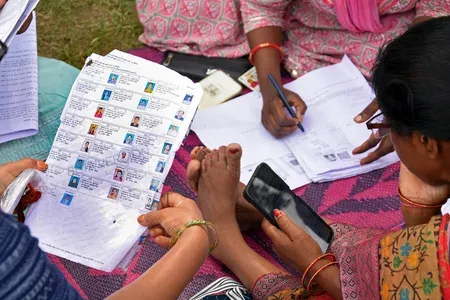
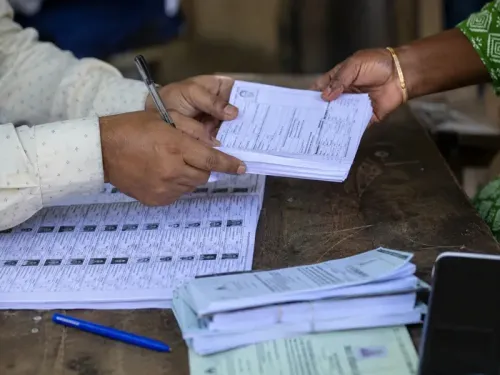
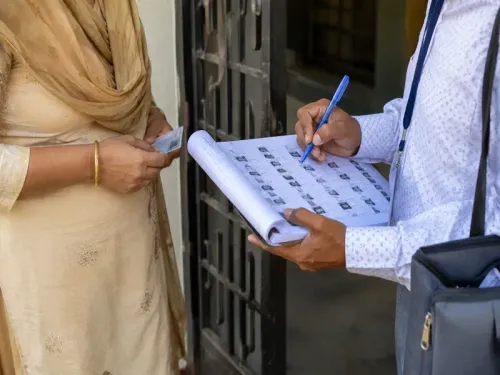
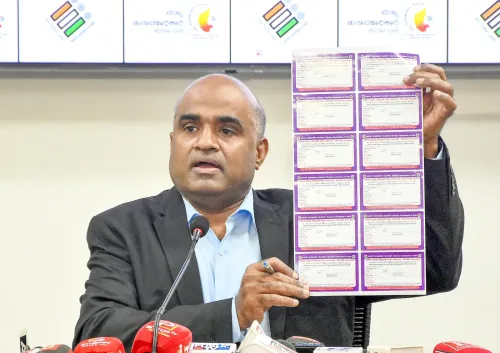
A total of 4,93,43,328 Enumeration Forms have been handed out to electors through Booth Level Officers (BLOs), covering 89.02 per cent of Karnataka's registered electorate. Of the state's polling stations, 30,687 — accounting for 51.97 per cent — have achieved 100 per cent distribution, while another 13,001 stations (22.02 per cent) have crossed the 90 per cent mark.
On the digitisation front, 95,16,080 forms — representing 17.17 per cent of the electorate — have been processed digitally so far. Nine polling stations have completed 100 per cent digitisation, and 250 stations have surpassed the 90 per cent threshold. Additionally, 1,99,523 forms — or 0.36 per cent of the total — have been submitted online directly by electors.
Electors Flagged Under ASDDO Category
The verification drive has surfaced significant discrepancies in the rolls. Election officials have identified 3,36,888 electors under the Absentee, Shifted, and Dead/Duplicate (ASDDO) category. Of these, 15,290 electors were found untraceable or absent, while 1,82,292 were identified as having permanently shifted from their registered addresses.
The exercise further identified 1,18,275 deceased electors, 19,897 persons already enrolled elsewhere, and 1,134 electors in other categories requiring further verification. As of 16 June 2026, Karnataka had a total of 5,54,32,314 registered electors. The enumeration and digitisation drive began on 30 June and is scheduled to run until 29 July 2026.
PRC Row: BJP Raises National Security Concerns
The SIR has become a flashpoint in Karnataka's political arena. Union Minister of State for MSME and Labour and Employment Shobha Karandlaje on Friday accused the state government of endangering national security by proposing to issue Permanent Residency Certificates (PRCs), alleging that the move could be misused to benefit illegal immigrants.
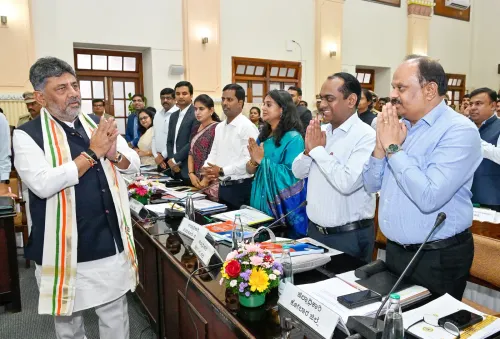
Her remarks came in response to an announcement by Karnataka Chief Minister D.K. Shivakumar, who said the state would issue PRCs to help eligible citizens participate in the SIR and prevent legitimate voters from being deleted from the rolls. Karandlaje alleged that the Chief Minister was 'attempting to change India's demography,' citing the support of the Congress high command as enabling the move.
Congress Hits Back, Questions BJP's Targeting
Karnataka Pradesh Congress Committee (KPCC) President B.K. Hariprasad pushed back sharply, alleging that the Bharatiya Janata Party (BJP) had repeatedly shifted its political targets over the years and was now using the Bangladesh issue for electoral gains. He questioned how alleged illegal immigrants could have entered Karnataka — a state that shares no international border with Bangladesh — without what he called a failure by the Centre to secure the country's borders.
This comes amid a broader national debate over the integrity of electoral rolls ahead of future state elections, with the SIR exercise in Karnataka being watched closely as a test case for large-scale voter list revision. How the state balances roll accuracy with the risk of disenfranchising genuine voters will likely shape the political narrative well beyond the July deadline.
Point of View
And identifying 1.18 lakh deceased voters on rolls is exactly what such exercises are meant to do. The second is political: the PRC announcement by Chief Minister Shivakumar has handed the BJP a ready-made narrative about demographic manipulation, regardless of the stated intent to protect genuine voters. The irony is that both sides are nominally arguing for roll accuracy — but the absence of a transparent, verifiable PRC eligibility framework has left the government exposed. If the Congress cannot demonstrate that PRCs will be issued only to citizens with documented residency, the BJP's framing will dominate the news cycle long after the July 29 deadline passes.
NationPress
10 Oct 2026
Frequently Asked Questions
What is the Special Intensive Revision (SIR) of electoral rolls in Karnataka?
The SIR is a house-to-house enumeration and digitisation exercise to update Karnataka's voter rolls, running from 30 June to 29 July 2026. It involves Booth Level Officers distributing Enumeration Forms to all registered electors and verifying their details, covering a base electorate of 5,54,32,314 voters as of 16 June 2026.
How many electors have been flagged for deletion under the Karnataka SIR?
As of 10 July 2026, election officials have identified 3,36,888 electors under the ASDDO (Absentee, Shifted, Dead/Duplicate) category. This includes 1,18,275 deceased electors, 1,82,292 who have permanently shifted, 19,897 enrolled elsewhere, and 15,290 found untraceable.
Why is the Karnataka government issuing Permanent Residency Certificates (PRCs)?
Chief Minister D.K. Shivakumar announced PRCs to help eligible citizens prove their residency and participate in the SIR, preventing legitimate voters from being removed from electoral rolls. The government maintains the certificates are for Indian citizens with verifiable local residency.
Why has the BJP opposed Karnataka's PRC announcement?
Union Minister of State Shobha Karandlaje alleged that issuing PRCs could be misused to benefit illegal immigrants, posing a national security risk and altering India's demographic balance. The BJP argues that Karnataka's SIR should not be linked to any new residency certification scheme.
What is the current status of Enumeration Form digitisation in Karnataka?
As of 10 July 2026, 95,16,080 Enumeration Forms — representing 17.17% of the electorate — have been digitised. Nine polling stations have completed 100% digitisation, while 250 stations have surpassed the 90% mark. Additionally, 1,99,523 forms were submitted online by electors themselves.