Karnataka SIR: 86% Enumeration Forms distributed, 74.8 lakh records digitised
Synopsis
Karnataka's electoral roll overhaul is 86% through distribution but barely 13% digitised — and a political storm is brewing. With HD Kumaraswamy citing documentary evidence of group-filling and 35 BLOs served notices, the SIR's credibility is under scrutiny even as the state government insists the process is clean.
Key Takeaways
4,78,47,260 Enumeration Forms distributed — 86.32% of Karnataka's 5,54,32,314 registered electors as of 9 July 2026 .
74,80,396 forms digitised, representing just 13.49% of the electorate; only 6 polling stations have achieved full digitisation.
85,088 deceased electors identified; 1,13,697 found to have permanently shifted addresses.
Kumaraswamy challenged the CEO's clean-chit, citing group-filling evidence from Ramanagara and Yeshwanthpur and notices to 35 BLOs .
BJP's Radhamohan Das Agrawal objected to alleged form-filling at religious sites linked to Congress leaders.
The enumeration and digitisation drive runs until 29 July 2026 .
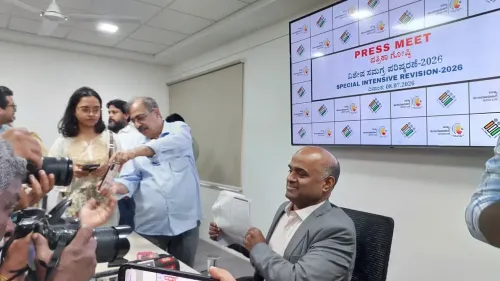
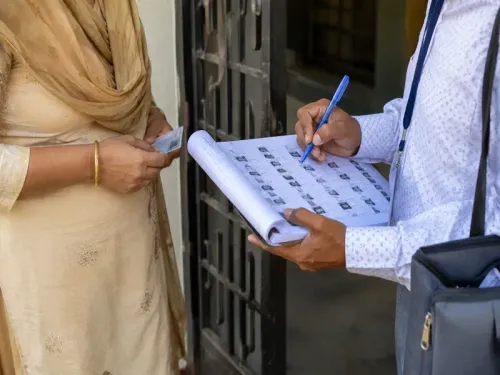
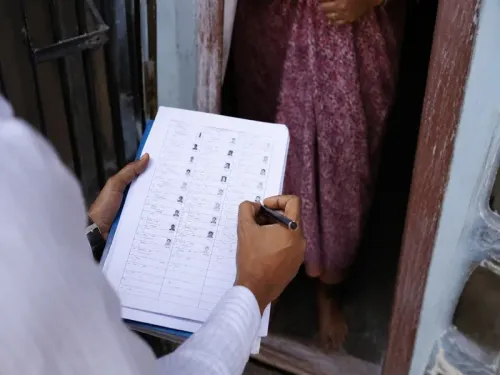
The Office of the Chief Electoral Officer (CEO), Karnataka, has reported substantial progress in the Special Intensive Revision (SIR) of the state's electoral rolls, with over 86 per cent of Enumeration Forms distributed to eligible voters as of Thursday, 9 July 2026. The exercise, running from 30 June to 29 July, has already flagged 85,088 deceased electors for removal from the rolls.
Distribution Progress Across Polling Stations
A total of 4,78,47,260 Enumeration Forms have been distributed, accounting for 86.32 per cent of Karnataka's registered electorate of 5,54,32,314 voters — a figure recorded as on 16 June 2026. Of the state's polling stations, 26,668 — or 45.16 per cent — have achieved 100 per cent distribution, while 14,013 stations (23.73 per cent) have crossed the 90 per cent mark.
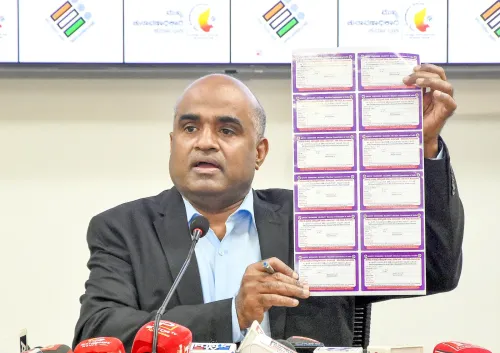
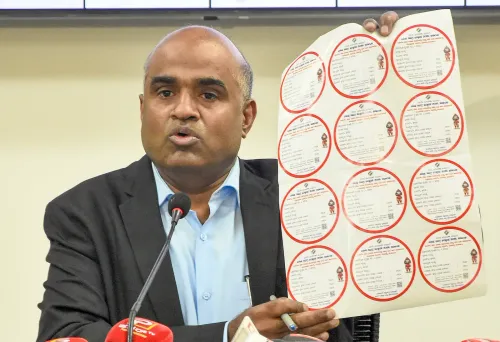
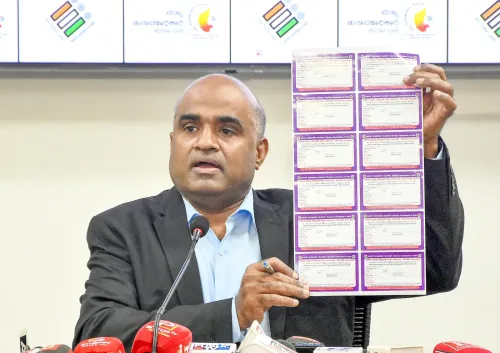
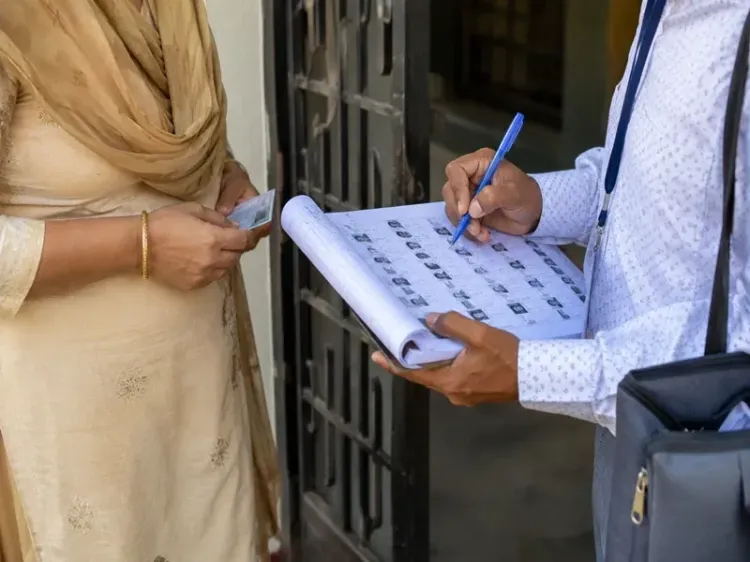
Enumeration Forms were printed and supplied to all Booth Level Officers (BLOs) ahead of the house-to-house enumeration drive that commenced on 30 June.
Digitisation: Early Days but Gaps Remain
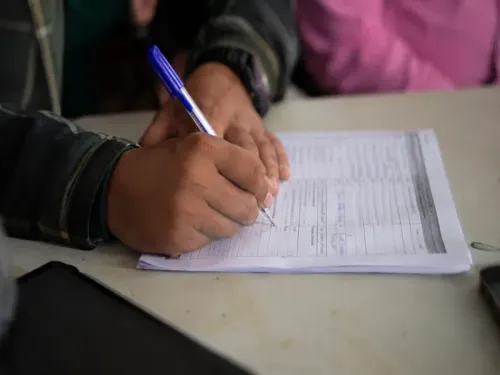
On the digitisation front, 74,80,396 forms have been processed electronically, representing 13.49 per cent of the total electorate. Only six polling stations have completed 100 per cent digitisation, while 150 stations have crossed the 90 per cent threshold. Additionally, 1,86,321 forms — or 0.34 per cent of the total — were submitted online directly by electors.
Key Findings: Deceased, Shifted, and Untraceable Voters
Verification has surfaced 2,20,549 cases under the ASDDO (Absentee, Shifted, Dead and Other) category. Of these, 6,544 electors were found to be untraceable or absent, and 1,13,697 had permanently shifted from their registered addresses. A further 14,370 individuals were found to be already enrolled elsewhere, and 850 cases were categorised under other classifications.
Political Row Over SIR Conduct
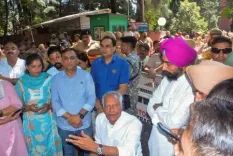
The exercise has drawn political fire. Union Minister for Heavy Industries and Steel H.D. Kumaraswamy challenged the state CEO's claim that no large-scale irregularities had occurred. 'We have submitted documentary evidence showing that the Special Intensive Revision was carried out in groups in several places, including Ramanagara and Yeshwanthpur. If the SIR process was conducted properly, why were notices issued to 35 Booth Level Officers?' Kumaraswamy said.
Bharatiya Janata Party (BJP) National General Secretary and Karnataka in-charge Radhamohan Das Agrawal objected to what he described as the mass filling of SIR Enumeration Forms at religious sites and locations identified by Congress leaders, calling the practice inappropriate.
Karnataka Chief Minister D.K. Shivakumar pushed back, urging that the SIR not be politicised and affirming that the state government would extend full cooperation to the Election Commission of India (ECI) to ensure no eligible voter is disenfranchised.
What Happens Next
The house-to-house enumeration and digitisation drive continues until 29 July 2026. With digitisation at just 13.49 per cent, the CEO's office faces a steep ramp-up in the remaining weeks. The political controversy around BLO notices and group-filling allegations could prompt the ECI to seek a formal status report, adding scrutiny to the final stretch of the revision.
Point of View
74 lakh digitised — look like administrative progress, but the 13.49 per cent digitisation rate against a 29 July deadline is a quiet red flag. More telling is the political subplot: if 35 BLOs have already been served notices, the CEO's assertion of no large-scale irregularities is at minimum premature. Karnataka's voter rolls have historically been a flashpoint, and the group-filling allegations — if substantiated — could hand the opposition a credible accountability argument heading into the next electoral cycle. The ECI's response to Kumaraswamy's documentary evidence will be the real test of the SIR's integrity.
NationPress
8 Oct 2026
Frequently Asked Questions
What is the Special Intensive Revision (SIR) of electoral rolls in Karnataka?
The Special Intensive Revision is a house-to-house voter verification exercise conducted by the Chief Electoral Officer, Karnataka, to update and clean the state's electoral rolls ahead of future elections. It runs from 30 June to 29 July 2026 and covers all 5,54,32,314 registered electors.
How many Enumeration Forms have been distributed in Karnataka's SIR so far?
As of 9 July 2026, 4,78,47,260 Enumeration Forms have been distributed, covering 86.32 per cent of Karnataka's total electorate. Of these, 26,668 polling stations — 45.16 per cent — have achieved 100 per cent distribution.
Why has HD Kumaraswamy criticised the SIR process?
Union Minister H.D. Kumaraswamy has alleged that the SIR was conducted in groups at multiple locations, including Ramanagara and Yeshwanthpur, and cited documentary evidence to challenge the CEO's claim of no large-scale irregularities. He also pointed to notices issued to 35 Booth Level Officers as evidence that the process was not properly followed.
How many deceased electors have been identified during the SIR?
The verification exercise has identified 85,088 deceased electors for removal from Karnataka's voter rolls. Additionally, 1,13,697 electors were found to have permanently shifted from their registered addresses and 14,370 were already enrolled elsewhere.
What is the current status of digitisation under Karnataka's SIR?
As of 9 July 2026, 74,80,396 Enumeration Forms have been digitised, representing 13.49 per cent of the total electorate. Only six polling stations have achieved 100 per cent digitisation, with 150 stations crossing the 90 per cent mark.