Karnataka SIR: Over 1.12 crore enumeration forms distributed in 3 days
Synopsis
In just three days, Karnataka's Special Intensive Revision has reached over 1.12 crore voters — but with 80 per cent of the electorate still to be covered and nearly 7,600 irregularities already flagged, the scale of what remains is as striking as the pace of what has been done.
Key Takeaways
Over 1.12 crore (1,12,65,893) Enumeration Forms distributed in the first three days of Karnataka's Special Intensive Revision (SIR) — covering 20.32% of the electorate.
Karnataka had 5,54,32,314 registered electors as of 16 June 2026 .
6,12,618 forms have been digitised so far; 37,783 electors submitted forms online.
7,582 electors flagged under the ASDDO category, including 3,967 deceased and 2,637 permanently shifted voters.
The enumeration drive runs until 29 July 2026 ; the final electoral roll will be published on 7 October 2026 .
Shivakumar and author Banu Mushtaq have publicly participated in and endorsed the exercise.
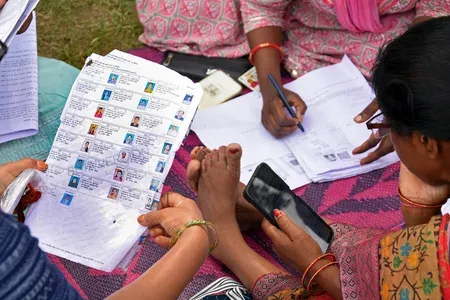
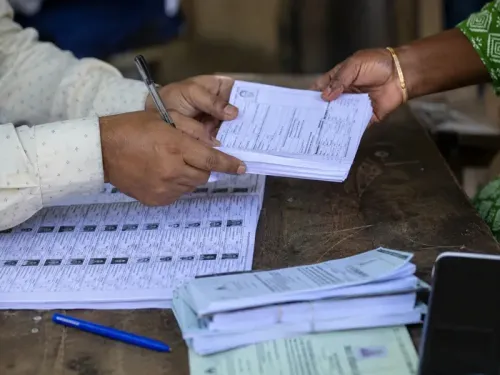
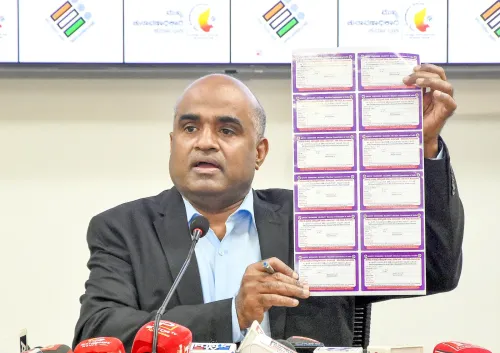
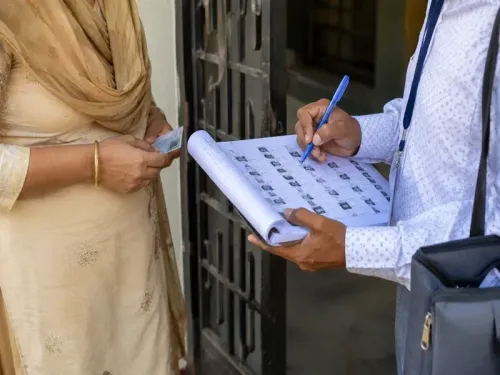
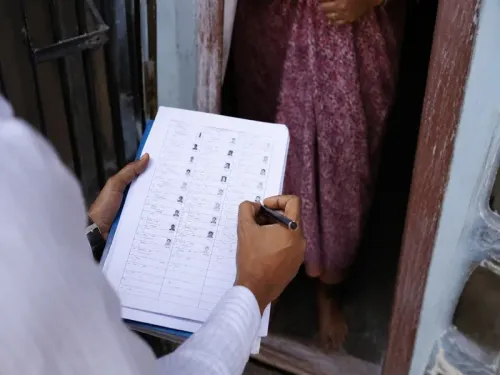
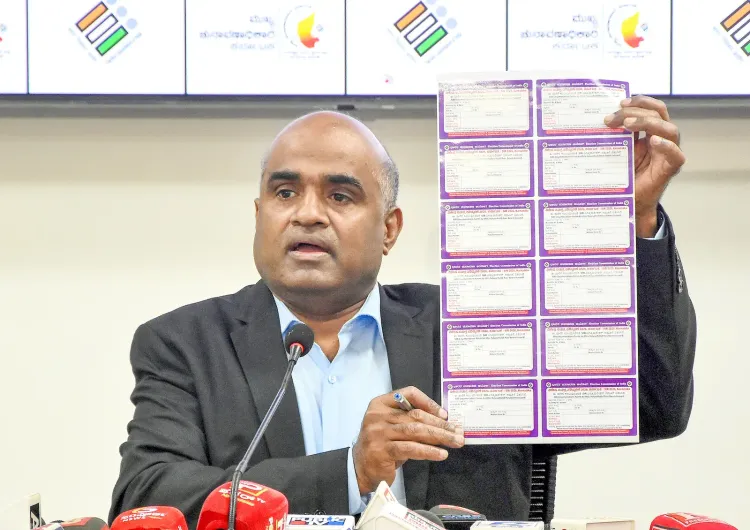
The Election Commission's Special Intensive Revision (SIR) of electoral rolls in Karnataka gained significant momentum on Thursday, 2 July 2026, with more than 1.12 crore (1,12,65,893) Enumeration Forms distributed to voters in just the first three days of the state-wide door-to-door verification drive.
Scale of the Exercise
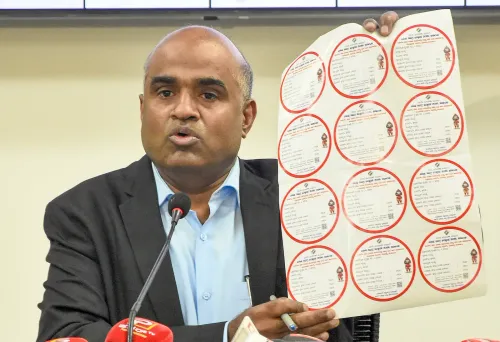
According to the Office of the Chief Electoral Officer (CEO), Karnataka, the state had 5,54,32,314 registered electors as of 16 June 2026. Enumeration Forms have been printed and handed over to Booth Level Officers (BLOs) for distribution across the state.
The forms distributed so far account for 20.32 per cent of the total electorate. Of these, 6,12,618 forms — or 1.11 per cent of the electorate — have already been digitised. An additional 37,783 electors have submitted their forms online, representing 0.07 per cent of the registered voter base.
Key Findings on the Ground
The ongoing verification has flagged 7,582 electors under the 'Absent, Shifted, Dead, Duplicate or Otherwise' (ASDDO) category. A breakdown of these cases shows 97 untraceable or absent electors, 2,637 permanently shifted electors, 3,967 deceased electors, and 821 persons found to be enrolled elsewhere. Another 60 cases have been classified under 'Others'.
Timeline and Next Steps
The house-to-house enumeration and digitisation process commenced on 30 June 2026 and will run until 29 July 2026. The draft electoral roll is scheduled for publication on 5 August 2026, followed by a claims and objections window through 4 September 2026. The final electoral roll is set to be published on 7 October 2026.
The Election Commission has urged all eligible voters to cooperate with BLOs during the house-to-house visits and ensure their Enumeration Forms are submitted before the 29 July deadline.
Political and Public Participation
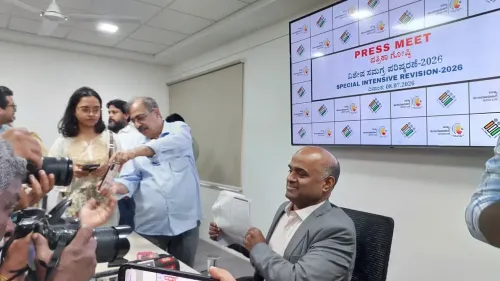
Chief Minister D.K. Shivakumar formally launched Karnataka's SIR on Tuesday by filling out his own Enumeration Form at his Sadashivanagar residence in Bengaluru. He appealed to all eligible voters to complete the exercise, underlining that voter registration is a prerequisite for accessing government benefits.
Booker Prize-winning Kannada author Banu Mushtaq also participated on Tuesday, describing the SIR as 'a simple and straightforward exercise' and noting that her experience had dispelled fears that it was designed to harass citizens. She urged officials to guide the public patiently through the enumeration process.
With roughly 80 per cent of the electorate yet to be covered, the pace of distribution and digitisation in the coming weeks will be closely watched as Karnataka moves toward a revised and cleaner voter roll by October.
Point of View
But the more telling number is 7,582 — the electors already flagged as absent, dead, shifted, or duplicate. Extrapolated across the full electorate, the SIR could surface tens of thousands of ghost entries, which is precisely why such exercises attract political scrutiny. The Election Commission would do well to make the ASDDO deletion process fully transparent, with timely public access to provisional lists, so that legitimate voters are not inadvertently removed in the rush to clean up rolls before October.
NationPress
1 Oct 2026
Frequently Asked Questions
What is Karnataka's Special Intensive Revision (SIR) of electoral rolls?
The Special Intensive Revision (SIR) is a door-to-door voter verification drive ordered by the Election Commission to update and clean Karnataka's electoral rolls. Booth Level Officers visit homes to distribute and collect Enumeration Forms, with the goal of adding eligible voters, removing invalid entries, and digitising records ahead of the final roll publication on 7 October 2026.
How many enumeration forms have been distributed so far in Karnataka's SIR?
As of 2 July 2026 — three days into the exercise — more than 1.12 crore (1,12,65,893) Enumeration Forms have been distributed, covering 20.32 per cent of Karnataka's 5.54 crore registered electors.
What is the deadline to submit the Enumeration Form in Karnataka?
The deadline for submitting Enumeration Forms is 29 July 2026. Voters can submit forms either to their Booth Level Officer during the house-to-house visits or online through the official portal.
What happens after the enumeration drive ends on 29 July?
The draft electoral roll will be published on 5 August 2026, followed by a claims and objections period until 4 September 2026. The final, revised electoral roll is scheduled for publication on 7 October 2026.
Who are the ASDDO electors flagged during Karnataka's SIR?
ASDDO stands for 'Absent, Shifted, Dead, Duplicate or Otherwise.' As of 2 July 2026, election officials have identified 7,582 such electors — including 3,967 deceased, 2,637 permanently shifted, 97 untraceable, and 821 found enrolled elsewhere — whose entries may be removed or corrected in the revised roll.