Karnataka SIR drive: 291 deceased, 116 shifted electors found on Day 1
Synopsis
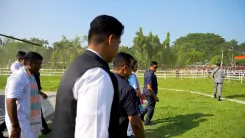
On the first day of Karnataka's Special Intensive Revision of electoral rolls, BLOs distributed over 12.48 lakh Enumeration Forms and immediately flagged 291 dead voters and 116 who had relocated — a reminder of how quickly rolls can drift from ground reality. With 5.54 crore electors to cover by 29 July, the scale and speed of digitisation will determine whether the final October roll is genuinely clean.
Key Takeaways
12.48 lakh Enumeration Forms were distributed on Day 1 of Karnataka's Special Intensive Revision (SIR) on 30 June 2026 .
Field officers identified 291 deceased electors and 116 who had permanently shifted residence on the opening day.
47,817 forms were digitised and 6,840 voters submitted forms online on Day 1.
Karnataka has 5,54,32,314 registered electors; 91.61 per cent have already been mapped in the preparatory phase.
The draft electoral roll will be published on 5 August ; the final roll on 7 October 2026 .
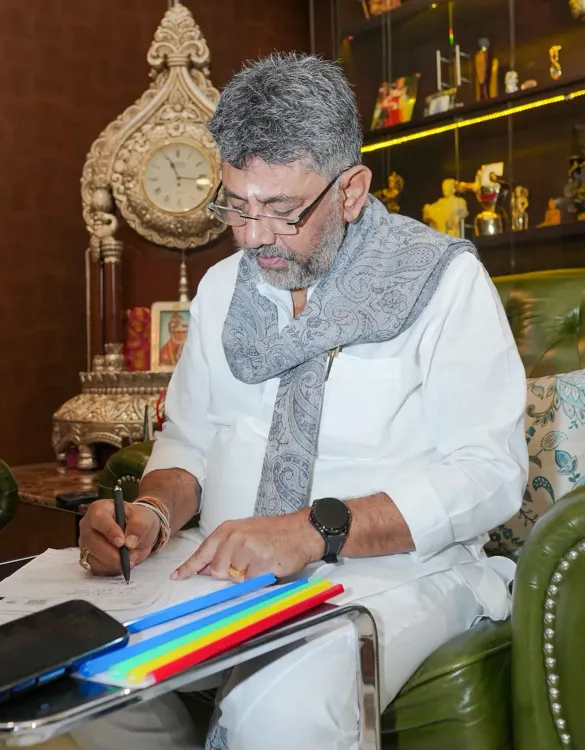
Shivakumar launched the drive by filling out his own form at his Sadashivanagar residence.
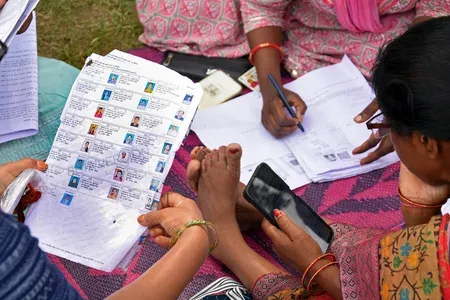
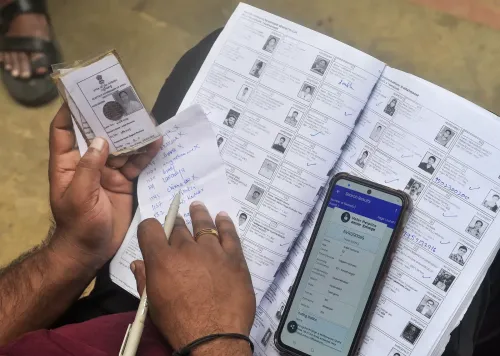
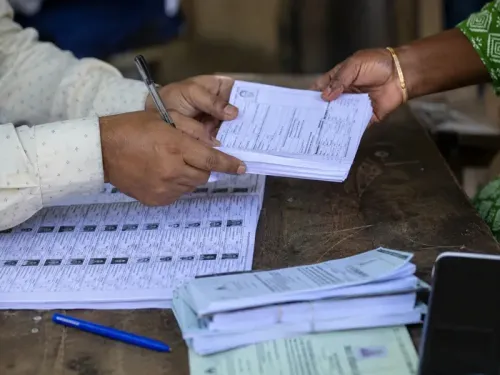
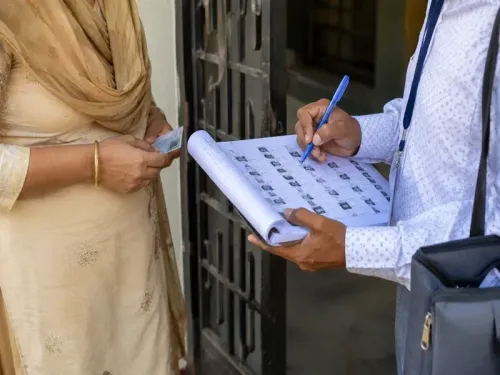
Karnataka's Special Intensive Revision (SIR) of electoral rolls got off to a brisk start on Tuesday, 30 June 2026, with more than 12.48 lakh Enumeration Forms distributed to voters across the state — covering 2.25 per cent of Karnataka's 5.54 crore registered electorate, according to the Office of the Chief Electoral Officer (CEO), Karnataka. On the very first day, field officers identified 291 deceased electors and 116 who had permanently shifted residence.
Key Developments on Day 1
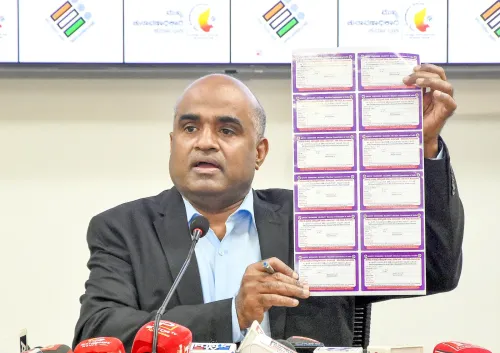
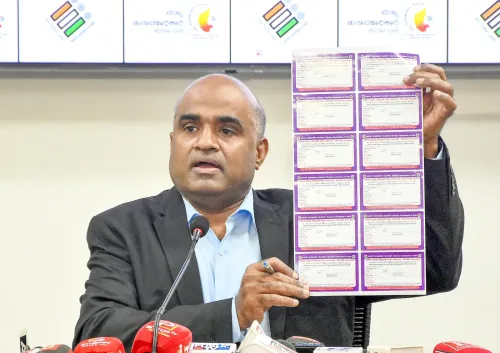
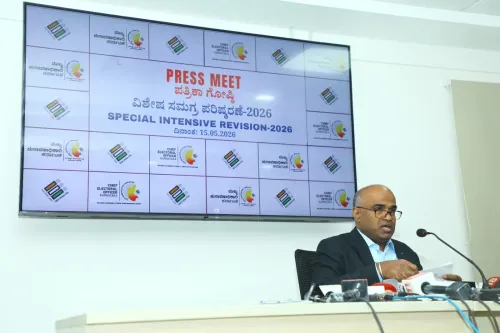
According to the CEO's daily press release, officials flagged 77 individuals already enrolled elsewhere and logged 2 cases under the 'Others' category. Booth Level Officers (BLOs) also identified 488 cases marked under ASDDO, while 2 electors could not be contacted as they were absent during home visits.
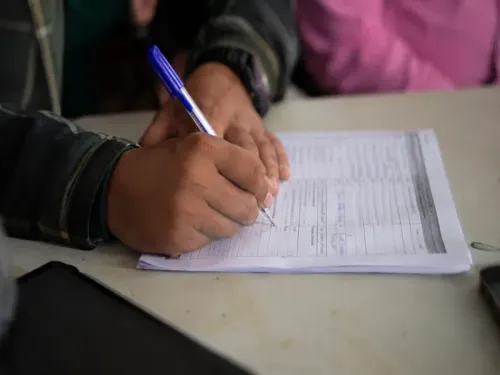
Digitisation of completed forms began simultaneously with the field exercise. A total of 47,817 forms were digitised on the opening day, accounting for 0.09 per cent of the electorate. An additional 6,840 voters submitted their Enumeration Forms online, representing 0.01 per cent of the total registered electorate.
Scale and Scope of the Exercise
Karnataka has 5,54,32,314 registered electors as of 16 June 2026, all of whom are covered under the ongoing revision. The CEO's office noted that 91.61 per cent of electors have already been mapped during the preparatory phase, with printed Enumeration Forms supplied to BLOs for statewide distribution.
The house-to-house enumeration and digitisation drive will run from 30 June to 29 July 2026. The draft electoral roll is scheduled for publication on 5 August, followed by a claims-and-objections window until 4 September. The final electoral roll is set to be published on 7 October 2026.
What the Government Said
Chief Minister D.K. Shivakumar formally launched the SIR by filling out his own Enumeration Form at his Sadashivanagar residence in Bengaluru. He urged all eligible voters to complete the exercise, stressing that voter registration is directly linked to accessing government benefits and safeguarding democratic rights.
Public Voices and Citizen Response
Booker Prize-winning Kannada author Banu Mushtaq participated in the exercise on Tuesday and described it as 'a simple and straightforward exercise,' adding that her experience had 'dispelled fears that it was intended to harass citizens.' She appealed to officials to patiently guide the public through the enumeration process — a signal that ground-level communication will be critical to the drive's success.
With the revision set to run through late July, the accuracy of Karnataka's voter rolls — and the credibility of the final list published in October — will depend on how consistently BLOs engage with the remaining 97.75 per cent of the electorate yet to be covered.
Point of View
Underscoring why periodic intensive revisions matter. Yet the real test is not the opening sprint but sustained BLO engagement across 5.54 crore voters over 30 days. Karnataka's 91.61 per cent pre-mapping rate is encouraging, but digitisation at 0.09 per cent on Day 1 suggests the back-end pipeline will face pressure as form volumes ramp up. The political optics of Chief Minister Shivakumar personally launching the drive are notable — electoral roll accuracy is no longer a bureaucratic footnote but a contested political issue across states.
NationPress
29 Sept 2026
Frequently Asked Questions
What is the Special Intensive Revision (SIR) of electoral rolls in Karnataka?
The Special Intensive Revision (SIR) is a statewide exercise in which Booth Level Officers conduct house-to-house visits to distribute and collect Enumeration Forms, verifying and updating Karnataka's electoral rolls. It covers all 5,54,32,314 registered electors and runs from 30 June to 29 July 2026.
How many electors were identified as deceased or shifted on Day 1?
On the first day of the SIR, officials identified 291 deceased electors and 116 who had permanently shifted their residence. An additional 77 individuals were found to be already enrolled elsewhere.
When will the final electoral roll be published?
The draft electoral roll will be published on 5 August 2026, followed by a claims-and-objections period until 4 September 2026. The final electoral roll is scheduled for publication on 7 October 2026.
Who launched Karnataka's SIR drive and how?
Chief Minister D.K. Shivakumar launched the SIR on 30 June 2026 by filling out his own Enumeration Form at his Sadashivanagar residence in Bengaluru, urging all eligible voters to participate to protect their voting rights.
Can voters submit their Enumeration Forms online?
Yes. On Day 1 alone, 6,840 voters submitted their Enumeration Forms online, representing 0.01 per cent of the total electorate. The option runs parallel to the house-to-house BLO distribution exercise.