Karnataka SIR: 55 lakh enumeration forms distributed in two days
Synopsis
In just two days, Karnataka's Special Intensive Revision has reached nearly 10% of its 5.54 crore electorate — but the real story is the scale of the cleanup: over 1,383 deceased voters and 816 permanently shifted electors already flagged. With the final roll due on 7 October, how accurately this exercise captures ground reality will matter far beyond a routine revision.
Key Takeaways
54,68,607 Enumeration Forms distributed across Karnataka by 6 pm on 1 July 2026 — 9.87% of the total electorate.
Karnataka has 5,54,32,314 registered electors as of 16 June 2026 , per the Chief Electoral Officer's office.
Field verification flagged 1,383 deceased electors , 816 permanently shifted , and 327 already enrolled elsewhere.
The Kartavya app's OOD feature activated to allow digital attendance for BLOs conducting house-to-house visits.
The SIR runs until 29 July ; draft roll publishes 5 August ; final roll on 7 October 2026 .
Shivakumar and Booker Prize-winner Banu Mushtaq publicly participated in the exercise on its opening day.
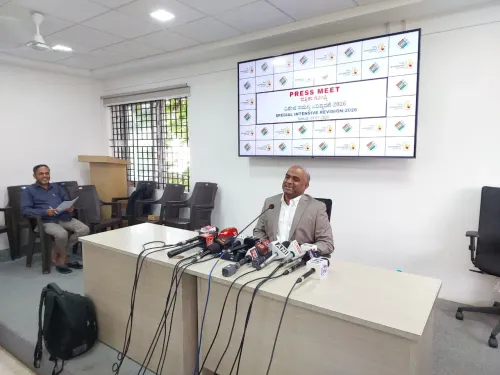
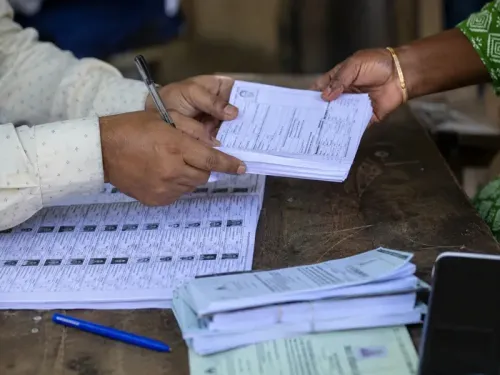
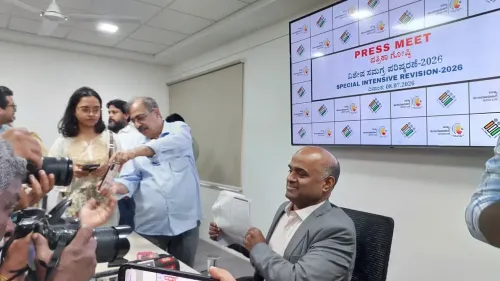
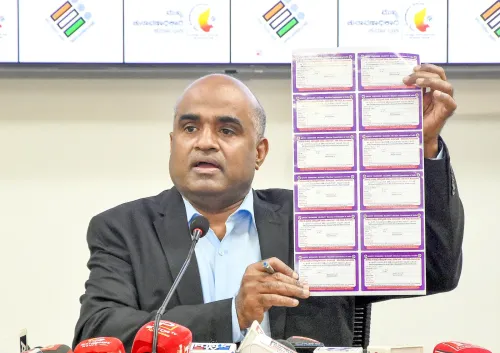
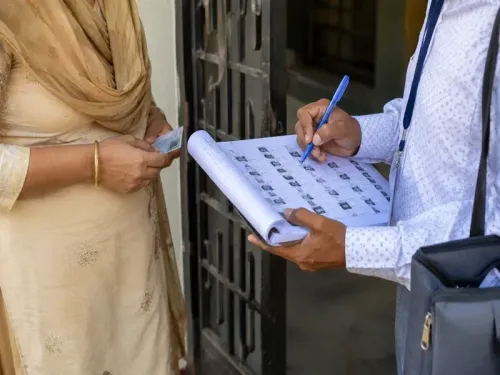
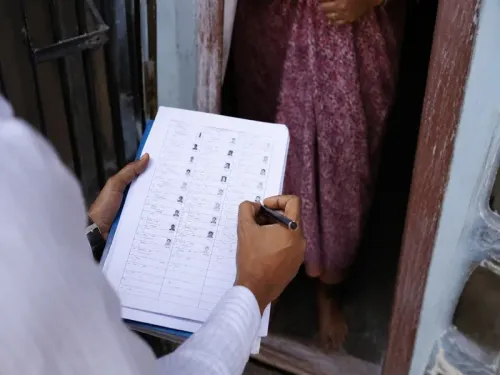
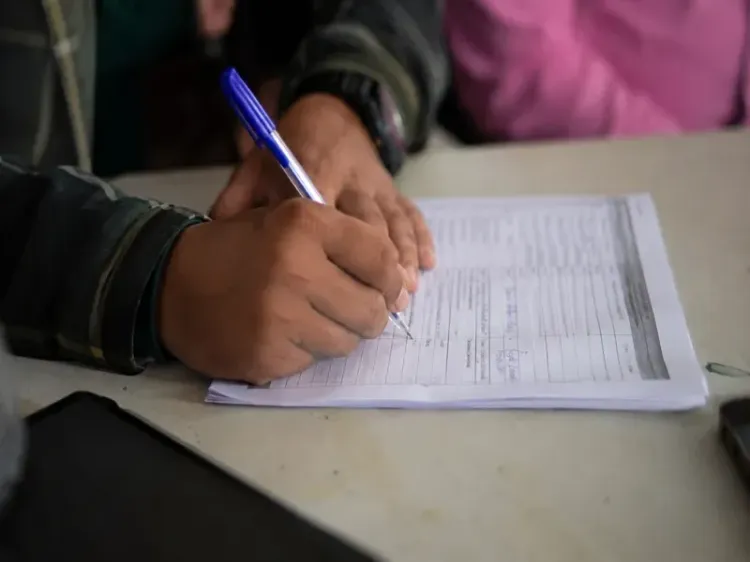
The Election Commission's Special Intensive Revision (SIR) of electoral rolls in Karnataka is gaining momentum, with Booth Level Officers (BLOs) distributing nearly 55 lakh Enumeration Forms (EFs) to voters across the state by the end of its second day on 1 July 2026. The statewide exercise, which covers a registered electorate of over 5.54 crore, is aimed at cleaning up and updating the voter list ahead of future elections.
Key Numbers So Far
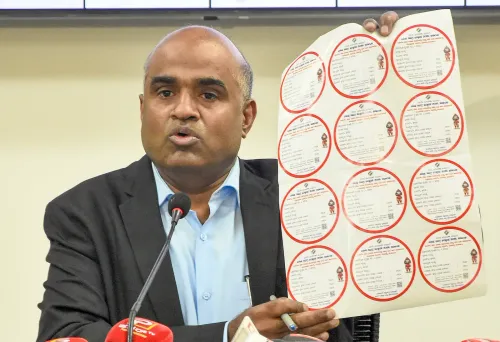
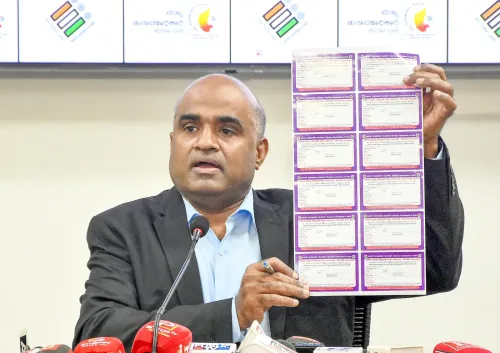
According to the Office of the Chief Electoral Officer (CEO), Karnataka, a total of 54,68,607 Enumeration Forms had been distributed by 6 pm on Wednesday, 1 July, representing 9.87 per cent of the total electorate. Of these, 2,38,453 forms have been digitised — accounting for 0.43 per cent of registered voters — while 26,213 electors submitted their forms online, making up 0.05 per cent of the electorate.
Preliminary field verification data released by the Election Commission showed that 2,565 electors were flagged under the ASDDO category — absent, shifted, dead, duplicate, or other reasons. Of these, 816 were found to have permanently shifted, 1,383 were deceased, 327 were already enrolled elsewhere, 21 were untraceable or absent, and 18 were categorised under other reasons.
Digital Attendance for Field Officials
To support the large-scale deployment of election personnel, the state government has activated a digital attendance mechanism. The Department of Personnel and Administrative Reforms (e-Governance), through a letter issued on 1 July, enabled the 'On Other Duty' (OOD) feature within the Kartavya mobile application. BLOs and other election staff engaged in house-to-house verification have been exempted from physical office attendance and can now mark their presence digitally while conducting fieldwork.
Political and Public Participation
Chief Minister D.K. Shivakumar formally launched Karnataka's SIR on Tuesday by filling out his own Enumeration Form at his Sadashivanagar residence, urging all eligible voters to participate and safeguard their voting rights. He stressed that voter registration is directly linked to accessing government welfare benefits.
Notably, Booker Prize-winning Kannada author Banu Mushtaq also participated in the exercise on Tuesday, describing the SIR process as 'simple and straightforward.' She said her experience had dispelled concerns that the exercise was intended to harass citizens, and appealed to officials to guide the public patiently through the enumeration process.
Timeline and What Comes Next
The Special Intensive Revision will continue until 29 July 2026. The draft electoral roll is scheduled for publication on 5 August, followed by a claims and objections window running until 4 September. The final, updated electoral roll is set to be published on 7 October 2026. With less than a third of forms distributed in the first two days, the pace of coverage will be closely watched in the weeks ahead.
Point of View
But the more consequential number is the 1,383 deceased voters already identified in preliminary checks, a reminder of how bloated electoral rolls can become between revisions. Karnataka's decision to layer a digital attendance tool onto the exercise signals an attempt to tighten accountability among field officials, yet the real test will be whether the 90% of forms still undistributed are collected with the same rigour in the remaining weeks. Voter list accuracy is not a bureaucratic formality — it is the foundation of electoral integrity, and any shortcuts now will surface as disputes later.
NationPress
30 Sept 2026
Frequently Asked Questions
What is the Special Intensive Revision (SIR) of electoral rolls in Karnataka?
The Special Intensive Revision is an Election Commission exercise to update and clean up Karnataka's voter list by having Booth Level Officers visit households and collect Enumeration Forms. It covers the state's entire registered electorate of over 5.54 crore voters and runs until 29 July 2026.
How many enumeration forms have been distributed so far in Karnataka's SIR?
As of 6 pm on 1 July 2026 — the second day of the exercise — 54,68,607 Enumeration Forms had been distributed, representing 9.87 per cent of Karnataka's total electorate. Of these, 2,38,453 have been digitised and 26,213 were submitted online.
What does the field verification data reveal about Karnataka's voter list?
Preliminary data shows 2,565 electors flagged under the ASDDO category. Among them, 1,383 were found to be deceased, 816 had permanently shifted, 327 were already enrolled elsewhere, and 21 were untraceable or absent.
When will Karnataka's updated electoral roll be published?
The draft electoral roll will be published on 5 August 2026, followed by a period for claims and objections until 4 September 2026. The final electoral roll is scheduled for release on 7 October 2026.
What is the Kartavya app's OOD feature and why was it activated?
The 'On Other Duty' (OOD) feature in the Kartavya mobile application allows election officials to mark their attendance digitally while conducting fieldwork, instead of reporting physically to their offices. It was activated on 1 July 2026 by the Department of Personnel and Administrative Reforms to support BLOs engaged in house-to-house verification during the SIR.