Karnataka SIR: 84 lakh voters flagged as ASDDO, 43 lakh forms pending
Synopsis
More than 84 lakh Karnataka voters — nearly one in seven registered — have been flagged as absent, shifted, deceased, or duplicate in the state's ongoing electoral roll revision. With Bengaluru alone accounting for 39 lakh of those flags and 43 lakh forms still unsubmitted, the credibility of the final roll hinges on what happens before the 8 August deadline.
Key Takeaways
84,31,612 voters in Karnataka have been identified under the ASDDO category during the Special Intensive Revision (SIR) of electoral rolls.
Of 5,54,32,314 Enumeration Forms distributed, 4,26,75,861 ( 76.99% ) have been digitised as of 29 July 2026 .
43,24,847 forms are yet to be submitted; the deadline is 8 August 2026 .
The largest ASDDO sub-group: 51,74,968 voters permanently shifted; 14,99,799 deceased; 11,61,231 untraceable.
In Bengaluru (BBA limits) , 39,38,202 of 1,03,88,363 registered voters — roughly 38% — are flagged under ASDDO.
Citizens turning 18 by 1 October 2026 must apply for inclusion via Form 6 .
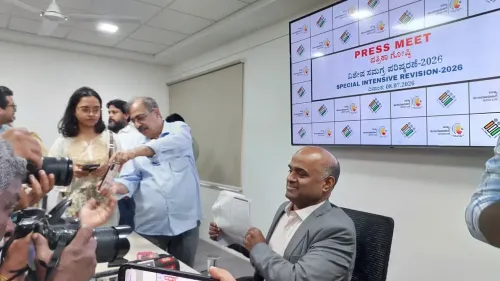
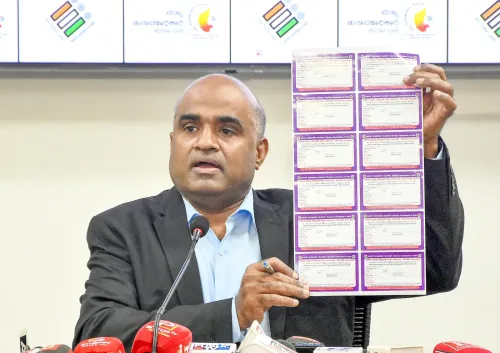
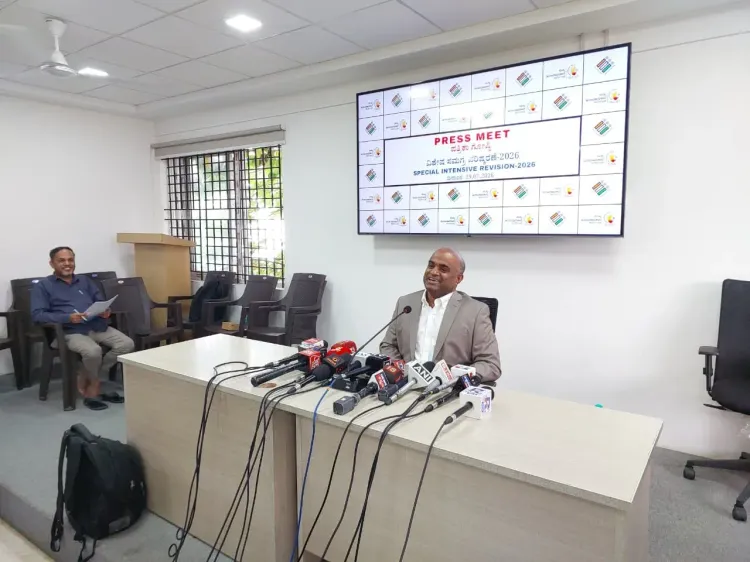
Karnataka Chief Electoral Officer V. Anbukumar on Wednesday, 29 July 2026, disclosed that 84,31,612 voters across the state have been identified under the ASDDO (absent, shifted, deceased, duplicate, and others) category during the ongoing Special Intensive Revision (SIR) of electoral rolls. Of the 5,54,32,314 Enumeration Forms distributed statewide, 4,26,75,861 — or 76.99 per cent — have been digitised so far, while 43,24,847 forms remain unsubmitted ahead of the 8 August 2026 deadline.
ASDDO Breakdown: Who Was Flagged and Why
Of the 84.31 lakh voters identified under ASDDO, the largest segment — 51,74,968 — had permanently shifted from their registered addresses. A further 14,99,799 were found to be deceased, while 11,61,231 were untraceable during field verification. Duplicate registrations accounted for 5,62,572 entries, and 33,042 were classified under miscellaneous categories.
Anbukumar clarified that a voter marked as 'absent or shifted' does not automatically lose registration rights. 'They may have relocated or could not be found during verification. If such voters have not applied for voter registration anywhere else in the country, they can submit their details online or through Form 6,' he said.
Bengaluru's Outsized ASDDO Share
The situation is particularly acute in Bengaluru, where the Bruhat Bengaluru Authority (BBA) limits record 1,03,88,363 registered voters — of whom 39,38,202, or roughly 38 per cent, have been flagged under the ASDDO category. An additional 16,57,582 forms within the city remain to be digitised.
Officials have been directed to share ward-level ASDDO data with political parties in areas where the concentration of flagged voters is significantly high, according to the Chief Electoral Officer.
Deadline and What Voters Must Do
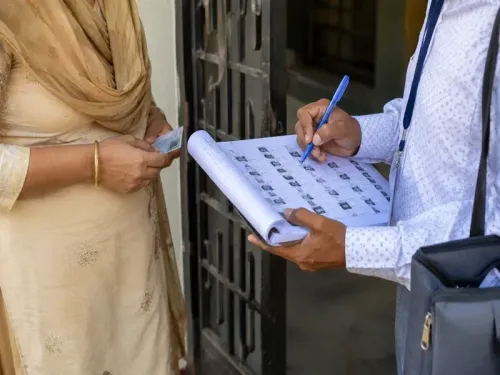
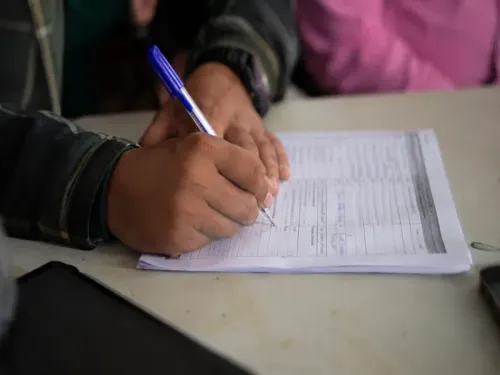
8 August 2026 is the last date for submitting Enumeration Forms. Anbukumar urged citizens not to retain the forms, warning that names will be included in the draft electoral roll only after forms are handed over to Booth Level Officers (BLOs). If a voter is unavailable at home, a family member may sign and submit the form on their behalf.
He also addressed concerns about older records, urging people not to withhold forms citing the absence of documents dating back to 2002. Citizens who will turn 18 by 1 October 2026 must separately apply for inclusion via Form 6.
Process and Oversight
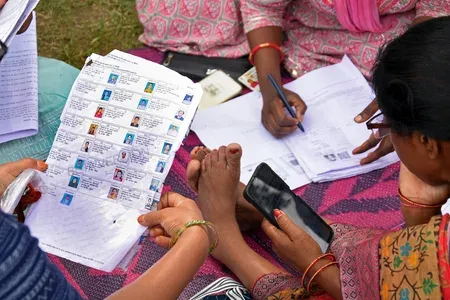
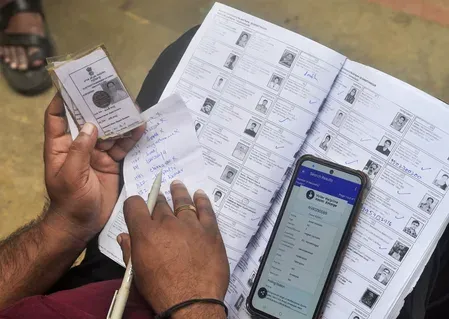
BLOs are required to conduct spot inspections and upload supporting documents — including death certificates wherever applicable — before marking a voter under any ASDDO sub-category. This verification-first approach is intended to prevent wrongful deletions from the rolls, a concern that has shadowed SIR exercises in other states in recent months.
With the submission deadline under three weeks away, election officials face the twin challenge of closing the digitisation gap and recovering the 43 lakh-plus outstanding forms — a task that will determine the credibility of Karnataka's revised electoral roll.
Point of View
But its legitimacy depends entirely on BLOs following the verification protocol rigorously before any deletion is finalised. With 43 lakh forms still outstanding and the deadline 10 days away, the risk of either wrongful deletions or a hurried, incomplete revision is real. Political parties receiving ward-level ASDDO data adds a layer of scrutiny that is welcome — but also a potential flashpoint if the numbers are contested.
NationPress
28 Oct 2026
Frequently Asked Questions
What is the Special Intensive Revision (SIR) of electoral rolls in Karnataka?
The Special Intensive Revision (SIR) is a state-wide exercise to update Karnataka's electoral rolls by verifying each registered voter's current address, status, and eligibility. It involves distributing Enumeration Forms to all households, which are then collected by Booth Level Officers and digitised to produce a revised draft electoral roll.
What does ASDDO mean, and how many Karnataka voters are in this category?
ASDDO stands for Absent, Shifted, Deceased, Duplicate, and Others — the five sub-categories under which voters are flagged when they cannot be verified at their registered address. As of 29 July 2026, Karnataka's SIR has identified 84,31,612 voters under these categories, with 51,74,968 permanently shifted and 14,99,799 deceased being the largest groups.
What is the deadline to submit the Enumeration Form in Karnataka?
The last date to submit Enumeration Forms to Booth Level Officers is 8 August 2026. Voters who do not submit before this deadline risk having their names excluded from the draft electoral roll. Family members may submit the form on behalf of a voter who is unavailable at home.
Will voters flagged as ASDDO be automatically removed from the electoral roll?
Not automatically. Booth Level Officers must conduct spot inspections and upload supporting documents before any ASDDO classification is finalised. Voters marked as absent or shifted who have not registered elsewhere can submit their details online or through Form 6 to retain their registration.
Why does Bengaluru have such a high number of ASDDO voters?
Within the Bruhat Bengaluru Authority limits, 39,38,202 of 1,03,88,363 registered voters — about 38 per cent — have been flagged under ASDDO. Officials attribute this largely to high rates of internal migration, with many voters having shifted addresses without updating their registrations. Election officials have been asked to share this ward-level data with political parties in high-ASDDO areas.