Karnataka SIR 2026: Enumeration ends, 1.08 crore electors flagged as ASDDO
Synopsis
Nearly one in five Karnataka electors — over 1.08 crore people — have been flagged for potential deletion from the state's voter rolls under the SIR 2026 exercise. With enumeration now closed and civil society groups alleging the highest voter-deletion rate in the country, the upcoming claims and objections phase could become a flashpoint ahead of future elections.
Key Takeaways
Karnataka's SIR 2026 enumeration concluded on 17 August 2026 , covering 5,54,32,314 registered electors.
1,08,31,945 electors (19.54 per cent) have been flagged under the ASDDO category — Already Shifted, Dead, Duplicate, or Others.
The largest ASDDO sub-group is permanently shifted electors at 65,61,607 (11.84 per cent).
80.46 per cent of Enumeration Forms have been digitised; 7,11,712 forms were submitted online by electors.
A delegation led by actor Prakash Raj met CM D.K.
Shivakumar at Vidhana Soudha , urging intervention over alleged mass voter deletions.
Electoral authorities will next publish the draft electoral roll and open a claims and objections window.
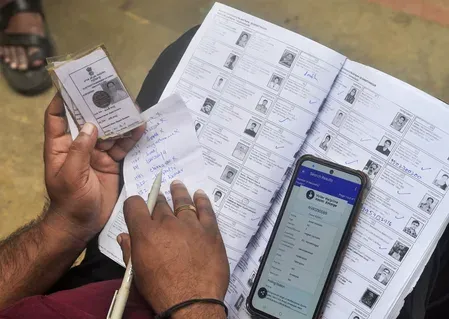
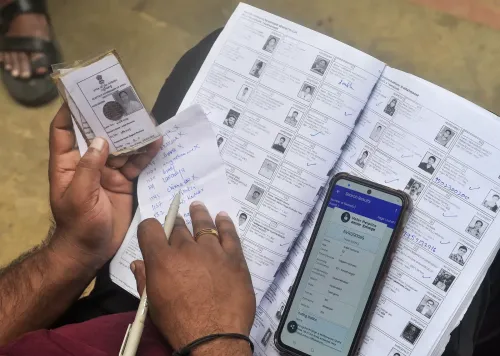
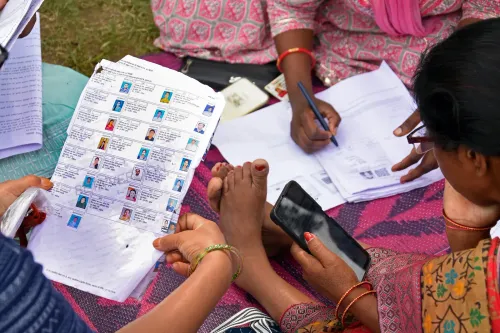
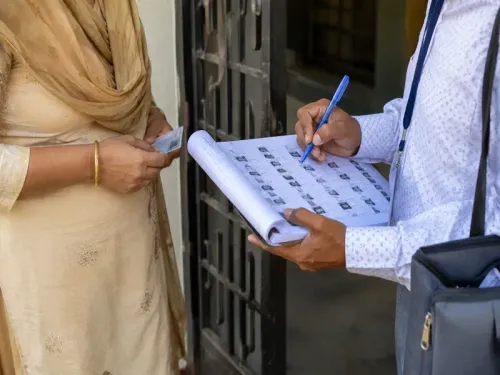
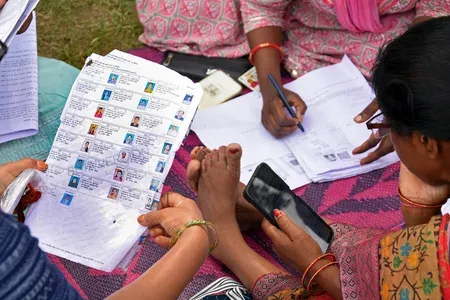
Karnataka's Special Intensive Revision (SIR) 2026 of electoral rolls has entered a decisive phase, with house-to-house enumeration concluding on Monday, 17 August 2026 and the deadline for submitting Enumeration Forms (EFs) also closing the same day. The exercise, covering over 5.54 crore registered electors across the state, has been conducted entirely in digital mode — marking a significant shift in how Karnataka manages its voter rolls.
Key Numbers from the Enumeration Drive
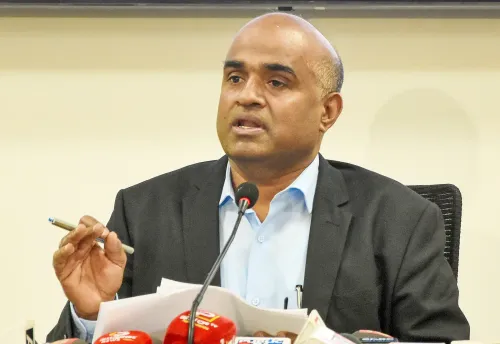
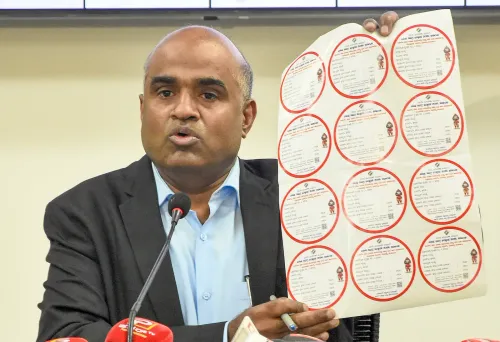
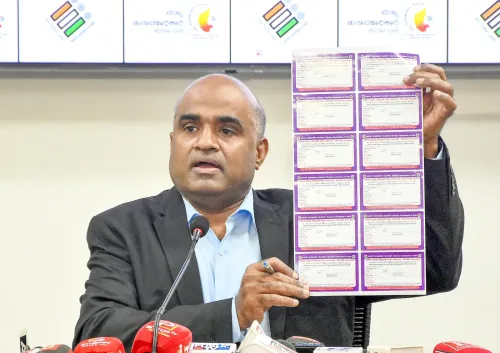
According to data released by the Chief Electoral Officer (CEO), Karnataka, the state had 5,54,32,314 electors on its electoral roll as of 16 June 2026. The enumeration drive ran from 30 June to 17 August 2026, during which Booth Level Officers (BLOs) printed and distributed an equivalent number of Enumeration Forms.
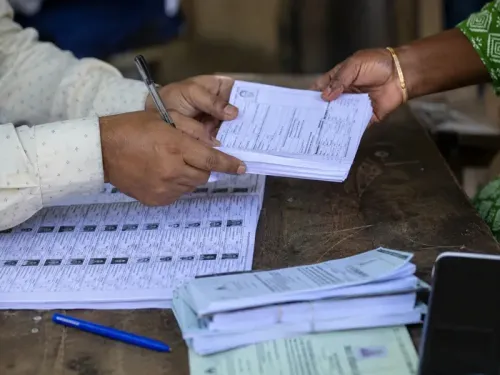
Of these, 4,46,00,369 EFs — representing 80.46 per cent of the total — have been digitised. A further 7,11,712 forms, or 1.28 per cent, were submitted online directly by electors.
What the ASDDO Category Means
The remaining 1,08,31,945 electors, accounting for 19.54 per cent of the total roll, have been marked under the ASDDO category — an acronym for electors identified as Already Shifted, Dead, Duplicate, or Others during field verification.
A breakdown of the ASDDO-flagged electors shows: 65,61,607 (11.84 per cent) classified as permanently shifted; 16,38,839 (2.96 per cent) as deceased; 15,28,985 (2.76 per cent) as untraceable or absent; 7,07,792 (1.28 per cent) as already enrolled elsewhere; and 3,94,722 (0.71 per cent) under the 'Others' category. Permanently shifted electors form the single largest sub-group within ASDDO.
Safeguards for Wrongly Flagged Voters
The CEO's office has clarified that electors incorrectly marked under ASDDO are entitled to seek a reversal of their status. The ASDDO list has been shared with all recognised political parties and is also accessible through BLOs for independent verification. Electors who believe they have been wrongly categorised could approach their BLO or the Electoral Registration Officer (ERO) up to 17 August. The full ASDDO list for SIR 2026 is also published on the CEO's official website.
Civil Society Raises Deletion Concerns
The enumeration exercise has not been without controversy. Civil society organisations on Monday urged Karnataka Chief Minister D.K. Shivakumar to personally intervene in the SIR process, alleging it risks the unfair removal of eligible voters. A delegation led by actor Prakash Raj met the Chief Minister at Vidhana Soudha in Bengaluru and submitted a formal memorandum, claiming Karnataka was recording one of the highest rates of voter deletions in the country.
What Comes Next
With the enumeration phase now closed, electoral authorities will proceed to the publication of the draft electoral roll, followed by a structured claims and objections window during which electors can contest inclusions or deletions. The final revised roll, once published, will serve as the definitive voter list for upcoming elections in Karnataka. The scale of the ASDDO flagging — nearly one in five electors — means the claims process is likely to be heavily contested.
Point of View
Which is plausible in a state with high internal migration, but the 15 lakh-plus untraceable or absent category is harder to explain away. Civil society's claim that Karnataka leads the country in voter deletions has not been independently verified, but the allegation alone will shape how the claims window is perceived. The Election Commission's credibility here rests on whether the rollback mechanism for wrongly flagged electors is genuinely accessible — or merely exists on paper.
NationPress
2 Oct 2026
Frequently Asked Questions
What is the Karnataka SIR 2026?
The Special Intensive Revision (SIR) 2026 is a comprehensive house-to-house enumeration of Karnataka's electoral rolls, conducted from 30 June to 17 August 2026. It covers all 5,54,32,314 registered electors and aims to update the voter list by identifying those who have shifted, died, or are duplicates.
What does ASDDO mean in the Karnataka SIR context?
ASDDO stands for Already Shifted, Dead, Duplicate, or Others — categories used to flag electors who could not be verified at their registered address during the enumeration. Over 1.08 crore Karnataka electors, or 19.54 per cent of the roll, have been marked under this category.
Can electors wrongly marked as ASDDO get their status corrected?
Yes. Electors who believe they were incorrectly flagged could approach their Booth Level Officer (BLO) or Electoral Registration Officer (ERO) up to 17 August 2026. The ASDDO list is also available on the Chief Electoral Officer Karnataka's official website and has been shared with political parties.
Why are civil society groups concerned about the SIR process?
A delegation led by actor Prakash Raj met Chief Minister D.K. Shivakumar at Vidhana Soudha on 17 August, submitting a memorandum alleging that Karnataka is recording one of the highest voter deletion rates in the country. They urged the Chief Minister to intervene to prevent eligible voters from being removed.
What happens after the enumeration phase ends?
Electoral authorities will publish the draft electoral roll, after which a formal claims and objections process will open. Electors can contest inclusions or deletions during this window before the final revised roll is published and used for upcoming elections.