Karnataka SIR 2026: 1.07 crore electors marked ASDDO, 80% EFs digitised
Synopsis
Karnataka's electoral overhaul is bigger than the headline suggests: nearly 1 in 5 registered voters — over 1.07 crore people — have been flagged as shifted, dead, duplicate, or untraceable. With 65 lakh alone marked as permanently shifted, the SIR exercise is exposing just how bloated and outdated the state's voter rolls had become ahead of future elections.
Key Takeaways
1,07,96,415 electors — 19.48% of Karnataka's total electorate — have been marked ASDDO under the SIR-2026 exercise.
65,45,721 electors ( 11.81% ) are categorised as permanently shifted; 16,39,871 ( 2.96% ) as deceased.
4,46,35,899 Enumeration Forms ( 80.52% ) have been digitised; including ASDDO records, total digitisation reaches 100% .
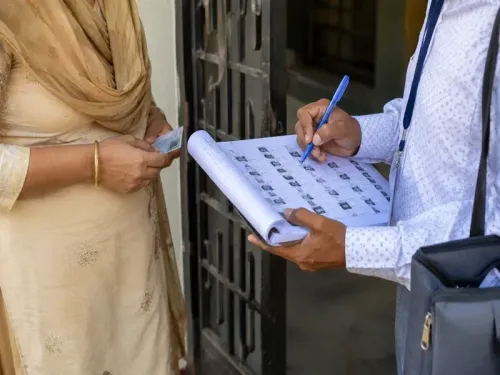
The house-to-house enumeration drive ran from 30 June to 17 August 2026 across Karnataka's 5,54,32,314 -strong electorate.
Electors wrongly marked ASDDO can seek correction through their BLO or ERO ; the full list is on the CEO's official website.
Around 10 lakh Form 6 applications have been distributed in BBMP/GBA areas for fresh enrolment.
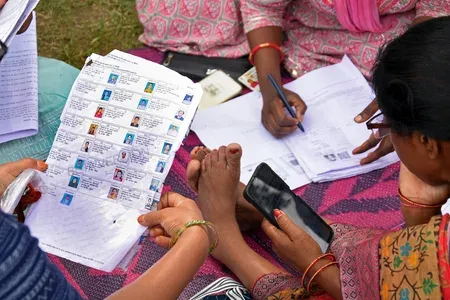
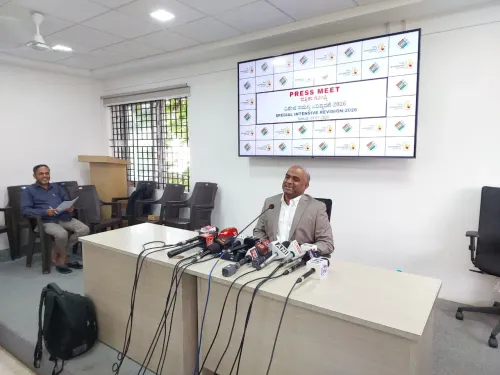
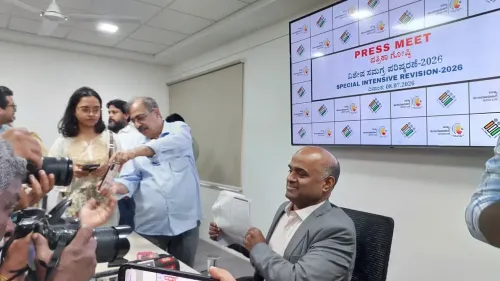
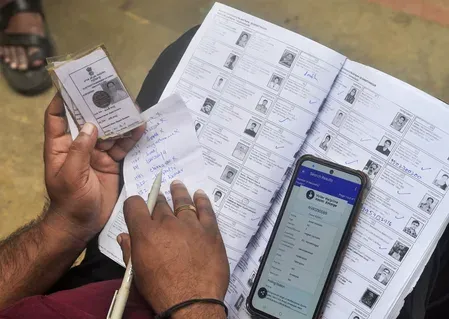
More than 1.07 crore electors — representing 19.48 per cent of Karnataka's total electorate — have been marked under the ASDDO (Already Shifted, Dead, Duplicate or Otherwise) category as part of the Special Intensive Revision (SIR) of electoral rolls, according to the Office of the Chief Electoral Officer (CEO), Karnataka. The house-to-house enumeration exercise, conducted between 30 June and 17 August 2026, has also achieved 80.52 per cent digitisation of Enumeration Forms (EFs).
Scale of the Exercise
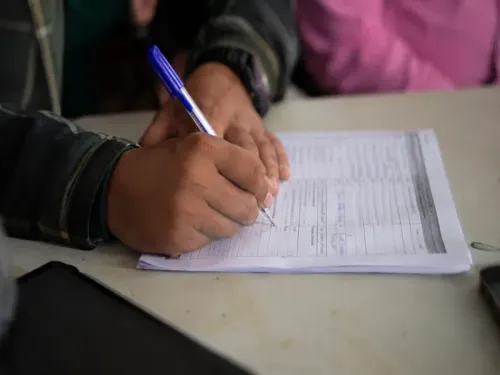
Karnataka's total electorate stood at 5,54,32,314 as on 16 June 2026. The CEO's office printed and distributed all 5,54,32,314 Enumeration Forms to Booth Level Officers (BLOs), achieving 100 per cent coverage. Of these, 4,46,35,899 EFs, or 80.52 per cent, have been digitised — a figure that includes forms belonging to electors marked under ASDDO, bringing the total digitised count to 100 per cent when ASDDO records are included.
Breakdown of ASDDO Categories
Of the 1,07,96,415 electors marked ASDDO, the largest sub-group comprises those categorised as permanently shifted — 65,45,721 electors, or 11.81 per cent of the total electorate. Another 16,39,871 electors (2.96 per cent) have been marked as deceased.
A further 15,17,056 electors (2.74 per cent) are listed as untraceable or absent, while 7,09,875 electors (1.28 per cent) have been marked as already enrolled elsewhere. The remaining 3,83,892 electors (0.69 per cent) fall under the 'Others' category.
Online Submissions and Grievance Redressal
A total of 7,13,077 electors — 1.29 per cent of the electorate — have submitted their Enumeration Forms online. The CEO's office has shared the ASDDO list with political parties and made it available with BLOs for verification. Electors who believe they have been wrongly marked under ASDDO can seek a rollback through the concerned BLO or Electoral Registration Officer (ERO). The full ASDDO (UEF) list under SIR-2026 is also available on the CEO's official website.
BBMP and GBA Areas
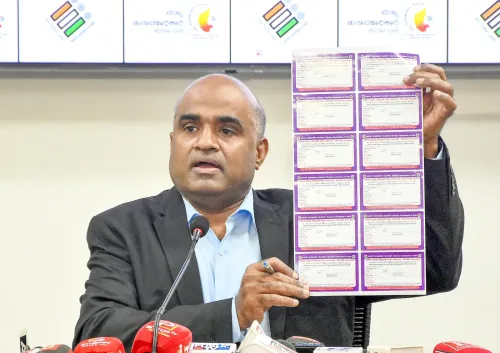
For the BBMP/GBA areas, approximately 10 lakh Form 6 applications have been printed and distributed to concerned EROs for individuals seeking fresh inclusion in the electoral roll. This is notably significant given Bengaluru's large migrant and transient population, which routinely contributes to roll discrepancies. As the SIR process moves toward finalisation, the accuracy of the revised rolls will be closely watched by political parties and civil society ahead of future elections.
Point of View
Shifted, duplicated, or untraceable — a scale of roll inflation that undermines the credibility of any election conducted on the old list. The permanently-shifted category alone, at over 65 lakh, reflects decades of rural-to-urban migration that administrative machinery has consistently failed to track in real time. The real accountability question is not whether the SIR found these discrepancies, but why it took a special intensive exercise to surface what routine annual revisions should have caught. With political parties now holding the ASDDO list, the risk of motivated challenges to legitimate voters — particularly in urban constituencies with high migrant populations — deserves scrutiny before the rolls are finalised.
NationPress
3 Oct 2026
Frequently Asked Questions
What is the ASDDO category in Karnataka's SIR 2026?
ASDDO stands for Already Shifted, Dead, Duplicate or Otherwise — a classification used in Karnataka's Special Intensive Revision (SIR) 2026 to flag electors who may no longer be validly registered at their listed address. Over 1.07 crore electors, or 19.48% of the state's electorate, have been placed in this category following the house-to-house enumeration drive.
What is the Special Intensive Revision (SIR) of electoral rolls?
The SIR is a comprehensive, time-bound exercise ordered by the Election Commission to clean up and update voter rolls. In Karnataka, the 2026 SIR involved distributing Enumeration Forms to all 5,54,32,314 registered electors and conducting door-to-door verification by Booth Level Officers between 30 June and 17 August 2026.
What should an elector do if wrongly marked under ASDDO?
An elector who believes they have been incorrectly categorised under ASDDO can approach their Booth Level Officer (BLO) or Electoral Registration Officer (ERO) to seek a rollback of their Enumeration Form. The complete ASDDO list is also available on the Chief Electoral Officer Karnataka's official website for self-verification.
How many Karnataka electors have been marked as deceased or permanently shifted?
According to the CEO Karnataka's data, 65,45,721 electors (11.81%) have been marked as permanently shifted, and 16,39,871 electors (2.96%) have been categorised as deceased — together accounting for the bulk of the 1.07 crore ASDDO-flagged electors.
What is the status of Enumeration Form digitisation in Karnataka?
As of 17 August 2026, 4,46,35,899 Enumeration Forms — 80.52% of the total — have been digitised. When ASDDO-marked forms are included, the digitisation coverage reaches 100% of the 5,54,32,314 forms printed and distributed to BLOs.