CM Majhi pitches Odisha as India's next semiconductor hub

Synopsis
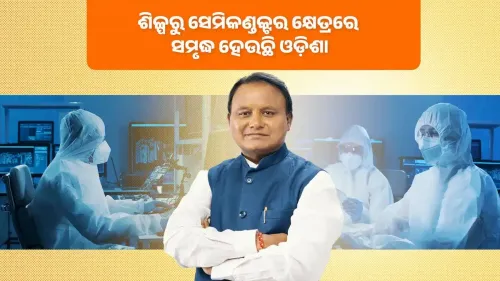
Odisha Chief Minister Mohan Charan Majhi has publicly positioned the state as an emerging semiconductor and technology hub, signalling a strategic pivot from its mineral-extraction base to high-value chip-era manufacturing, aligned with India's Rs 76,000 crore semiconductor mission.
Key Takeaways
CM Mohan Charan Majhi declared on October 27, 2026 his vision to transform Odisha from a mineral economy into a semiconductor and technology hub.
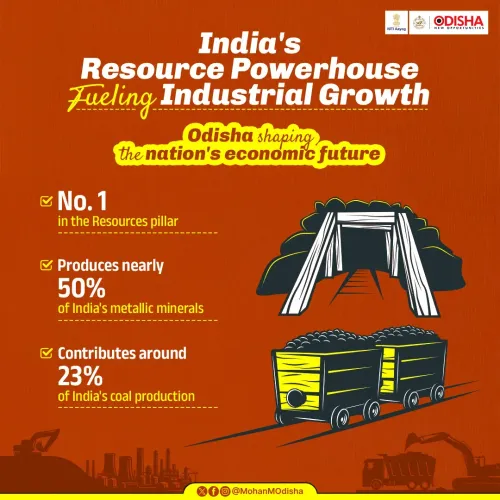
Odisha is a leading producer of iron ore, bauxite, and coal, giving it existing industrial infrastructure that could support chip-era manufacturing.
The India Semiconductor Mission , launched in 2021 with an outlay of Rs 76,000 crore , provides the central-government framework Odisha would tap.
Multiple Indian states have been competing for semiconductor investments since 2022 under the Atmanirbhar Bharat framework.
No specific semiconductor project timelines or MoUs have been publicly confirmed for Odisha as of this announcement.
Odisha has always sat atop some of India's richest mineral reserves. Now, Odisha Chief Minister Mohan Charan Majhi is signalling that the state's ambitions no longer stop at the mine shaft — they reach all the way to the microchip.
In a post on X on October 27, 2026, Chief Minister Majhi framed the state's industrial evolution in strikingly direct terms: 'From ore to more. From minerals to microchips.' The message, tagged #MinestoMicrochips, positions Odisha as an emerging destination for semiconductor and technology investment — a deliberate pivot from an economy built on raw-material extraction toward one anchored in high-value manufacturing.
From iron ore to integrated circuits — the logic of the leap
Odisha is among India's top producers of iron ore, bauxite, and coal, and has long hosted major steel and aluminium operations. That industrial base gives the state a claim on energy infrastructure, logistics networks, and a trained industrial workforce — foundations that semiconductor and electronics manufacturing also require. The jump, in other words, is not as improbable as it might first appear.
India's broader push for chip self-reliance provides the national tailwind. The India Semiconductor Mission, approved in 2021 with an outlay of Rs 76,000 crore under the Ministry of Electronics and IT, was designed precisely to draw semiconductor fabs, assembly units, and design clusters into the country. Multiple states have competed aggressively for those projects since 2022, leveraging existing electronics manufacturing clusters and state-level incentive packages.
Odisha's bid inside a crowded national race
Chief Minister Majhi, who took office in June 2024, has consistently foregrounded industrial growth as a signature priority. Odisha's play here is to extend its mineral-economy credibility into downstream, knowledge-intensive sectors — betting that proximity to raw material supply chains, combined with central-government semiconductor incentives under the Atmanirbhar Bharat framework, can make the state a compelling destination for chip-era investment.
The competition is real: several states have already moved to attract semiconductor investments with dedicated land banks, power guarantees, and single-window clearances. Odisha's entry into this race, signalled by the Chief Minister himself, raises the stakes on what follow-up policy moves — MoUs, investment commitments, or dedicated semiconductor zones — will actually materialise.
The mineral wealth built Odisha's industrial identity over decades. Whether microchips become its next defining chapter will depend on how fast that vision converts into concrete ground-level investments.
Point of View
Alignment with the Centre's Rs 76,000 crore semiconductor mission also carries coalition logic: demonstrating proactive industrial policy ahead of potential investment announcements. The real test, however, is whether this vision crystallises into signed MoUs and shovel-ready projects, or remains an aspirational hashtag in a crowded field where Gujarat, Karnataka, and Telangana already have significant head starts.
NationPress
27 Oct 2026
Frequently Asked Questions
What is Odisha CM Majhi's semiconductor plan about?
Chief Minister Mohan Charan Majhi has signalled a strategic intent to position Odisha as a semiconductor and technology manufacturing hub, building on the state's existing mineral and industrial base rather than relying solely on raw-material extraction.
What is the India Semiconductor Mission?
The India Semiconductor Mission is a central government scheme approved in 2021 with an outlay of Rs 76,000 crore to develop semiconductor fabrication, assembly, testing, and design capabilities across India under the Atmanirbhar Bharat framework.
Why is Odisha considered a fit for semiconductor manufacturing?
Odisha's decades-old mineral economy has built energy infrastructure, logistics networks, and an industrial workforce — assets that also underpin semiconductor and electronics manufacturing, making the transition strategically plausible.
Which states are competing with Odisha for semiconductor projects?
Several Indian states including Gujarat, Karnataka, and Telangana have been actively competing for semiconductor investments since 2022, offering land banks, power guarantees, and single-window investment clearances.
When did Mohan Charan Majhi become Chief Minister of Odisha?
Mohan Charan Majhi became Chief Minister of Odisha in June 2024, representing the BJP, which won the state assembly elections that year.