Rijiju joins Bada Khana with Arunachal Police after President's Colour honour
Synopsis
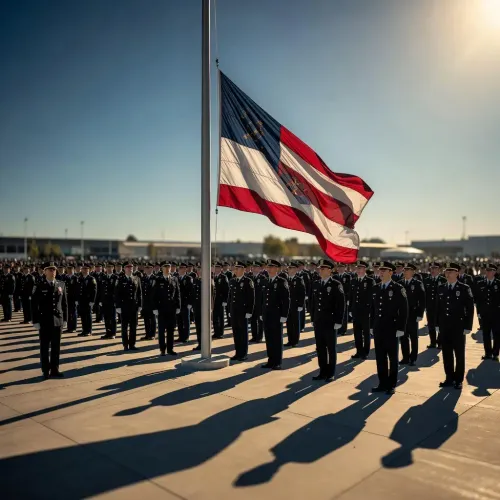
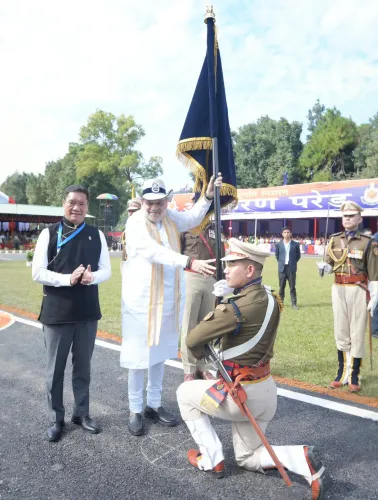
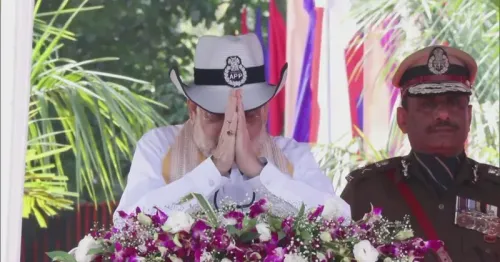
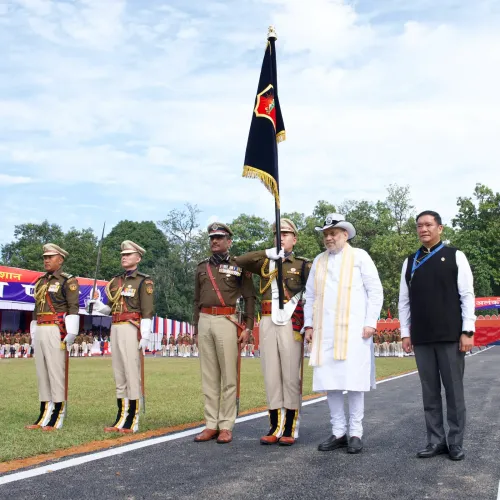
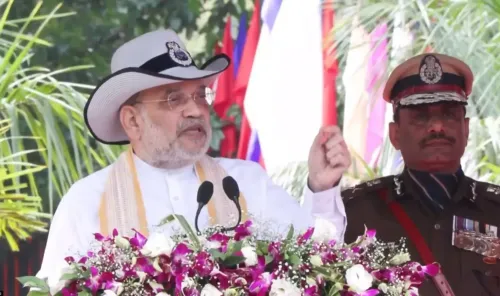
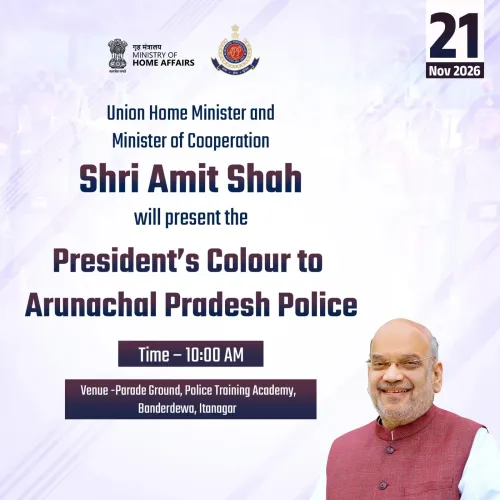
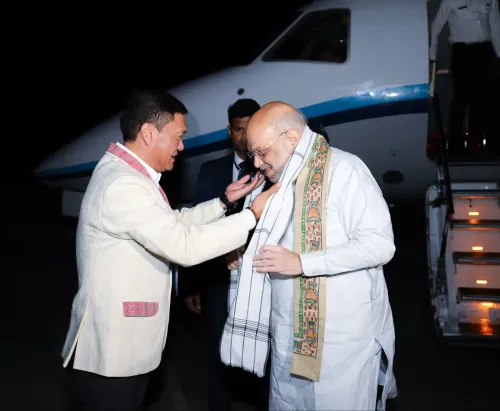
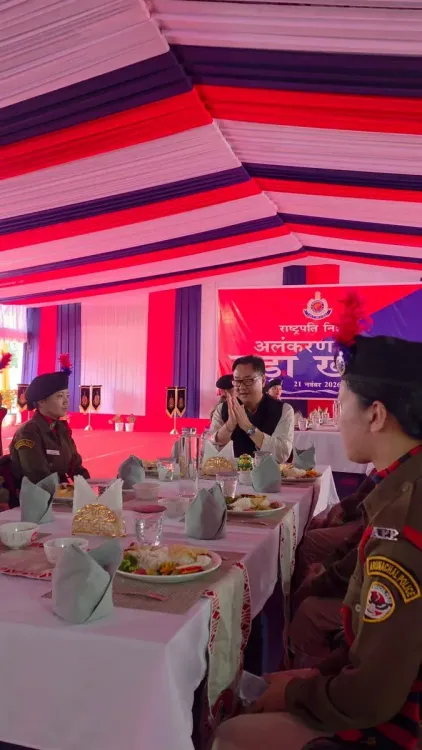
Union Home Minister Amit Shah presented the President's Police Colour to Arunachal Pradesh Police on 21 November 2026, with CM Pema Khandu and DCM Chowna Mein present. Union Minister Kiren Rijiju marked the occasion by joining a Bada Khana with police personnel, honouring the force's distinguished service in one of India's most challenging border regions.
Key Takeaways
Arunachal Pradesh Police received the President's Police Colour on 21 November 2026 , one of India's highest honours for a uniformed service.
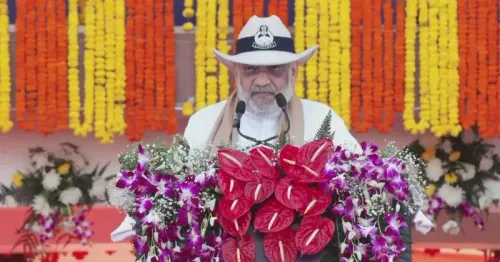
Union Home Minister Amit Shah formally presented the honour at the ceremony.
Chief Minister Pema Khandu and Deputy Chief Minister Chowna Mein were present alongside other dignitaries.
Union Minister Kiren Rijiju participated in a Bada Khana — a communal feast — with police personnel after the ceremony.
The honour recognises the force's service in high-altitude, sensitive border terrain in the Northeast .
The event reflects the Centre's ongoing pattern of formal recognition and engagement with northeastern state police forces.
A moment of rare institutional pride unfolded in Arunachal Pradesh on Saturday, 21 November 2026, as the state's police force received the President's Police Colour — one of the highest honours the Indian state can bestow on a uniformed service — presented by Union Home Minister Amit Shah. Union Parliamentary Affairs Minister Kiren Rijiju marked the occasion by sitting down for a Bada Khana (a traditional communal feast) with the police personnel who earned it.
What the President's Police Colour actually means
The President's Police Colour is not a routine citation. It is a formal national honour, awarded under the authority of the Ministry of Home Affairs, recognising a police force's distinguished service, operational excellence, and institutional professionalism over time. The physical standard — a ceremonial colour — is presented by a senior constitutional or government authority, and its receipt places Arunachal Pradesh Police in the company of a select group of state forces across India that have earned this distinction.
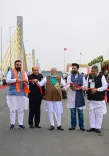
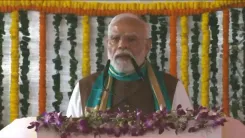
The ceremony was presided over by Home Minister Amit Shah, with Chief Minister Pema Khandu and Deputy Chief Minister Chowna Mein present alongside other dignitaries — a gathering that signalled both the gravity of the honour and the Centre's deliberate attention to the Northeast's security architecture.
Bada Khana: the feast that closes the distance between rank and file
Minister Rijiju's choice to join the Bada Khana — a tradition rooted in the armed forces and uniformed services where officers and jawans share a meal as equals — was pointed. For a politician who represents Arunachal Pradesh in Parliament and holds a senior Cabinet portfolio, eating alongside the constables and officers who patrol some of India's most challenging border terrain carries unmistakable meaning. It is a gesture that acknowledges the human cost behind an institutional honour.
Arunachal Pradesh's police operate across difficult, high-altitude terrain along sensitive international borders, making their operational contributions to internal security qualitatively distinct from those of police forces in more accessible geographies.
Northeast policing and the Centre's recognition pattern
The presentation fits a broader pattern of central government engagement with police forces in the Northeast. Such honours have been extended periodically to state police organisations across India, but their conferral on a northeastern force carries additional strategic weight — acknowledging years of service in a region that has transitioned from active insurgency management to a more stable, development-focused phase. Central support for police infrastructure, training, and modernisation in states like Arunachal Pradesh has run alongside these symbolic recognitions.
With this honour formally conferred, the question now is whether it accelerates the rollout of further police modernisation projects or similar ceremonies for other forces in the region.
Point of View
Flanked by state leadership, elevates the event beyond routine recognition and ties it to the BJP government's broader Northeast outreach narrative. Rijiju's participation in the Bada Khana adds a grassroots, constituency-level dimension: a senior Cabinet minister from the state visibly sharing space with jawans reinforces the political messaging that the Centre sees, and honours, those who serve on India's frontier. Watch for whether this honour is followed by concrete police infrastructure announcements for the state.
NationPress
21 Nov 2026
Frequently Asked Questions
What is the President's Police Colour and why is it significant?
The President's Police Colour is one of the highest national honours awarded to a police force in India, recognising distinguished service, operational excellence, and institutional professionalism. It is conferred under the authority of the Ministry of Home Affairs and places the recipient force in a select group of state police organisations so honoured.
Which state police force received the President's Police Colour in November 2026?
Arunachal Pradesh Police received the President's Police Colour on 21 November 2026, presented by Union Home Minister Amit Shah.
Who attended the President's Police Colour ceremony for Arunachal Pradesh Police?
Union Home Minister Amit Shah presented the honour. Chief Minister Pema Khandu, Deputy Chief Minister Chowna Mein, Union Minister Kiren Rijiju, and other dignitaries were present at the ceremony.
What is a Bada Khana in the context of Indian security forces?
Bada Khana is a traditional communal feast observed in Indian armed forces and uniformed services where officers and personnel of all ranks share a meal together, symbolising unity and mutual respect within the force.
Why does the President's Police Colour matter for Arunachal Pradesh specifically?
Arunachal Pradesh Police operates across difficult high-altitude terrain along sensitive international borders, making their service operationally demanding. The honour formally acknowledges their contributions to internal security in one of India's most strategically significant border regions.