Effective Civil-Military Collaboration Averts Wildfire Crisis in Arunachal Pradesh
Synopsis
In a remarkable display of teamwork, military and civil agencies successfully contained a dangerous wildfire in Arunachal Pradesh, protecting lives and critical infrastructure. This event highlights the importance of collaboration in crisis management.
Key Takeaways
Rapid response from military and civil agencies effectively contained the wildfire.
Collaboration ensured the protection of lives and critical infrastructure.
The event showcased the importance of civil-military cooperation in crisis management.
Community involvement was crucial in containing the blaze .
The operation set new standards in disaster response strategies.
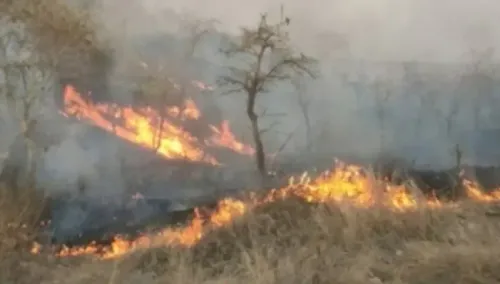
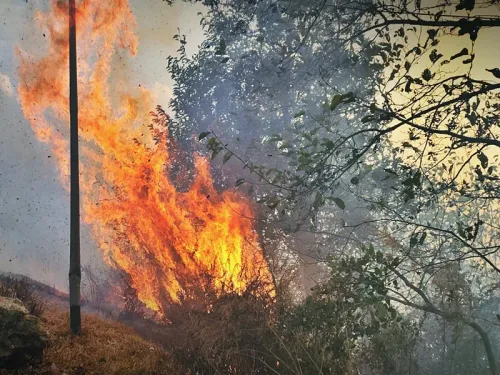
Itanagar, April 6 (NationPress) A wildfire in Arunachal Pradesh that had threatened both residential areas and essential Defence facilities was effectively managed thanks to the rapid, collaborative efforts of military and civil organizations.
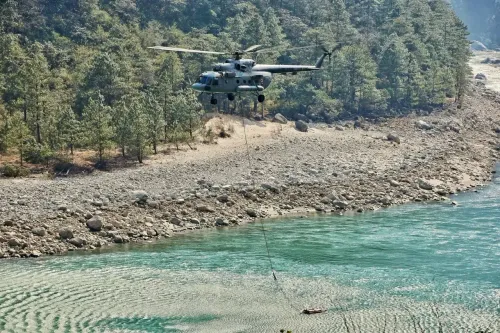
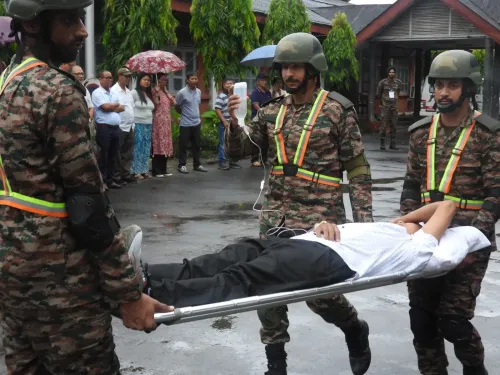
According to Defence spokesperson Lt Col Mahendra Rawat, the operation involved the use of Quick Reaction Teams (QRTs), water tankers, and aerial firefighting resources from the Indian Air Force, demonstrating exceptional operational coordination among all involved parties.
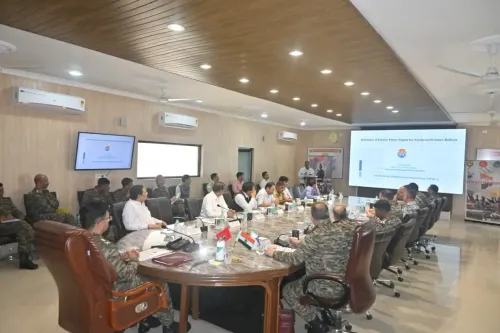
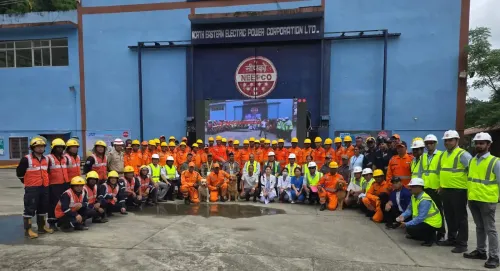
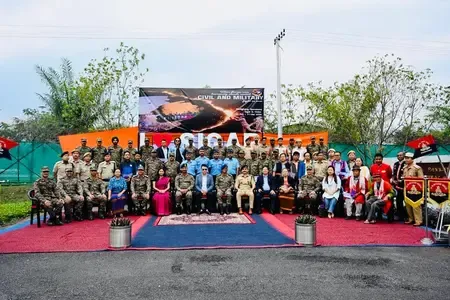
On Monday, the Spearhead Division of the Spear Corps of the Indian Army hosted a ceremony in Sigar, East Siang district, to honor the remarkable contributions of the Civil Administration, state Police, Fire and Emergency Services, State Disaster Response Force (SDRF) staff, local representatives, and community members in combating the wildfire that affected Sigar and surrounding regions.
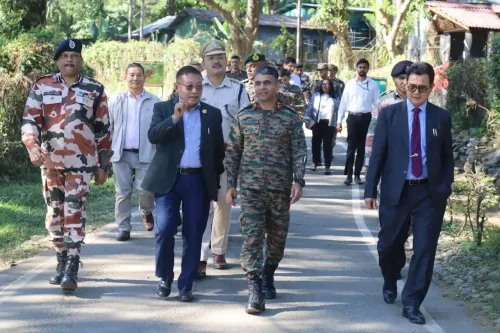
The event was graced by local MLA Oken Tayeng, the Deputy Commissioner, the Superintendent of Police of East Siang district, and high-ranking officials from various civil agencies, including the Fire and Emergency Services Department and SDRF.
Community members and volunteers whose prompt actions and steadfast support were vital in controlling the fire were also recognized during the occasion.
During the ceremony, senior military officials commended the unwavering dedication, bravery, and teamwork exhibited by all parties involved in the operation.
Lt Col Rawat emphasized that the united response not only facilitated the swift suppression of the wildfire but also safeguarded lives, properties, and crucial installations from harm.
The event underscored the vital role of civil-military collaboration in disaster management and illustrated how combined efforts can set new standards in crisis resolution.
The effective management of the wildfire serves as a testament to solidarity in action and reinforces the strong connection between the Armed Forces and the civilian community, he remarked.
Point of View
Emphasizing the need for unity in overcoming challenges faced by communities across the country.
NationPress
13 Oct 2026
Frequently Asked Questions
What caused the wildfire in Arunachal Pradesh?
The specific cause of the wildfire has not been detailed, but it posed a serious threat to both civilian areas and Defence infrastructure.
How was the wildfire contained?
The wildfire was contained through coordinated actions involving Quick Reaction Teams, water bowsers, and aerial firefighting support from the Indian Air Force.
Who were honored for their efforts during the wildfire response?
Local authorities, civil administration members, police, SDRF personnel, and community volunteers were recognized for their significant contributions to managing the wildfire.
What was the role of the Indian Army in this incident?
The Indian Army, particularly the Spearhead Division, played a crucial role in organizing the response and facilitating coordination between various agencies.
Why is civil-military coordination important in disasters?
Civil-military coordination is vital in ensuring a swift and effective response to disasters, allowing for better resource allocation and safeguarding of lives and property.