How Did Army and IAF Control the Massive Forest Fire in Arunachal’s Anjaw?
Synopsis
In Arunachal Pradesh's Anjaw district, a significant forest fire threatened the region but was swiftly contained through the prompt actions of Army troops and the Indian Air Force. Their exceptional coordination and bravery showcased their dedication to protecting lives and the environment. This incident highlights the escalating risks of forest fires in Northeast India.
Key Takeaways
Rapid response by Army and IAF contained the forest fire.
Aerial firefighting showcased operational excellence.
Collaboration is essential in natural disaster management .
Forest fires are a growing concern in Northeast India .
Climate change is exacerbating fire incidents.
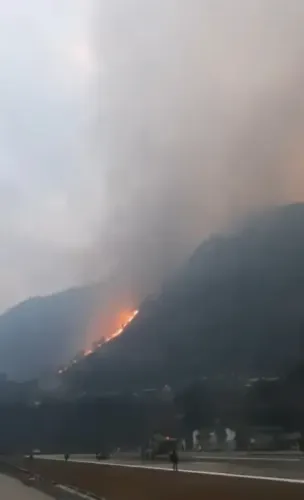
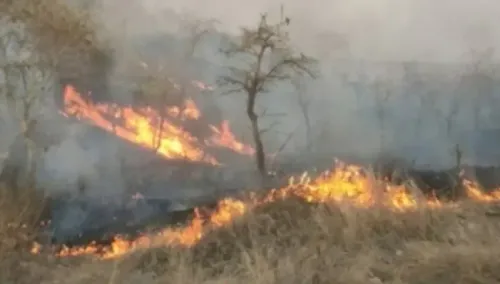
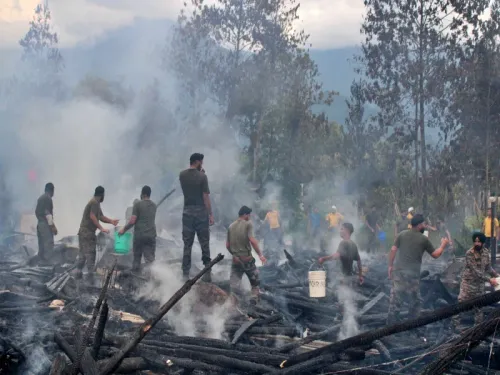
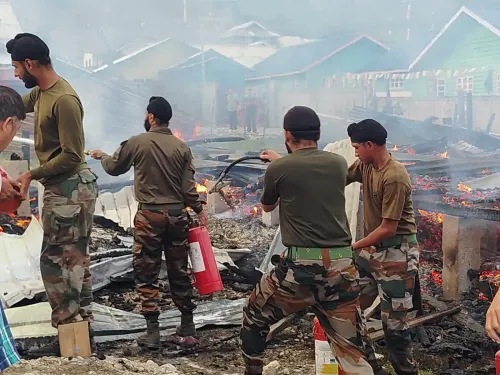
Itanagar, Jan 30 (NationPress) A significant forest fire ignited along the western ridge of the Lohit River in Arunachal Pradesh’s Anjaw district but was effectively contained due to the rapid and well-coordinated efforts of Army personnel and the Indian Air Force (IAF).
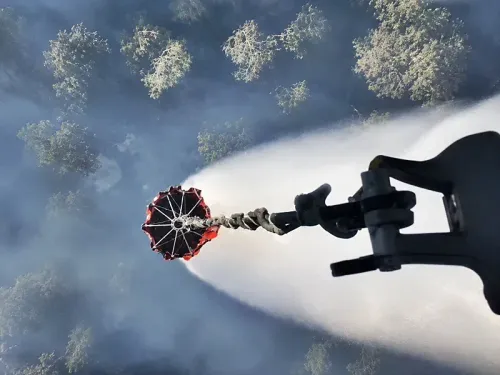
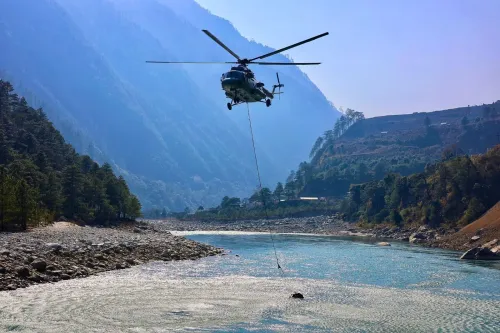
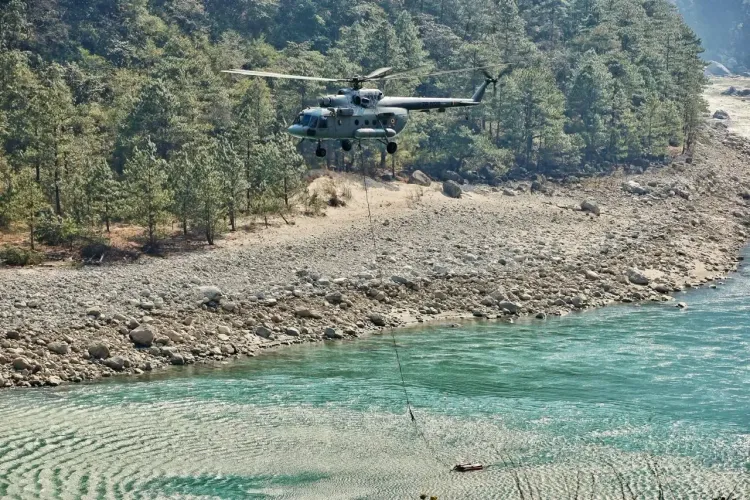
The IAF announced on the social media platform X that its Mi-17V5 helicopters executed aerial firefighting missions at an altitude of almost 9,500 feet in the Lohit Valley. “Engaging in firefighting operations at nearly 9,500 feet in Arunachal Pradesh’s Lohit Valley. IAF Mi-17V5 helicopters released 12,000 liters of water in the thin Himalayan air, demonstrating remarkable bravery, accuracy, and dedication to safeguarding lives and fragile ecosystems,” the post stated.
In another update on X, the Spear Corps of the Indian Army confirmed that a large forest fire had erupted along the western ridge of the Lohit River in Anjaw district. They stated that, in a collaborative and prompt response, troops from the Spear Corps, alongside the IAF, swiftly mobilized and successfully managed to control the fire, ensuring the safety of civilian lives and properties.
A forest official remarked that the operation posed unique challenges due to the rugged terrain, steep ridgelines, and unpredictable winds in the region. “The unified efforts of ground forces and aircrew were pivotal in controlling the fire before it could encroach upon nearby settlements,” the official noted.
Authorities emphasized that such cooperative operations are vital for safeguarding both vulnerable communities and the delicate Himalayan ecosystem. The mission also highlighted the readiness, teamwork, and professionalism of the armed forces in effectively responding to natural emergencies in remote and sensitive ecological regions.
The successful management of the fire is a testament to the valor and operational skills of the personnel involved, who operated under harsh conditions to protect lives, forests, and biodiversity, the official further elaborated.
Forest fires are increasingly becoming a significant threat to the verdant landscapes of Northeast India, which consists of eight states. A recent study indicated a concerning rise in the frequency of forest fires in this ecologically vulnerable area due to climate fluctuations, as mentioned by the forest official.
The study revealed that nearly 80 percent of annual forest fires in the region occurred between March and April, with the years 2006, 2007, 2009, and 2010 experiencing exceptionally high incidents of forest fires.
Point of View
This incident underscores the importance of preparedness and quick response in the face of natural disasters. The collaboration between the Army and IAF not only protected the environment but also ensured the safety of local populations, reinforcing the commitment of our armed forces to protect both lives and nature. As climate change continues to challenge our ecosystems, such proactive measures become increasingly vital.
NationPress
9 Oct 2026
Frequently Asked Questions
What caused the forest fire in Arunachal Pradesh?
The specific cause of the forest fire has not been detailed, but increasing temperatures and climate variability are contributing factors to the rise in forest fires in Northeast India.
How did the Army and IAF respond to the fire?
The Army and IAF coordinated a swift response, deploying Mi-17V5 helicopters for aerial firefighting and mobilizing ground troops to control the blaze effectively.
What is the significance of this operation?
This operation highlights the importance of joint efforts in disaster response and showcases the armed forces' dedication to protecting vulnerable communities and the environment.
What are the risks of forest fires in Northeast India?
Forest fires pose significant threats to the region's biodiversity and ecosystems, exacerbated by climate change and seasonal variations.
When do most forest fires occur in Northeast India?
Most forest fires in the region are recorded between March and April, with certain years experiencing notably high incidences.