Karnataka ASHA workers end 12-day strike after ₹2,000 hike
Synopsis
Karnataka has given its ASHA workers a ₹2,000 monthly raise, ending a 12-day strike. Their honorarium rises to around ₹9,000 from 1 January. CM D.K. Shivakumar has also blamed the Centre for failing to raise its share of a supposedly 50:50 payment, turning a labour settlement into a Centre-state funding fight.
Key Takeaways
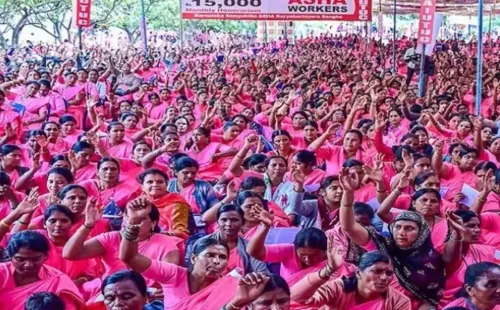
Karnataka ASHA workers called off their 12-day strike on 28 November 2026 .
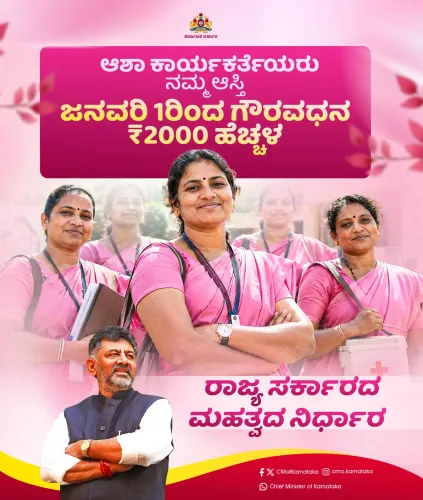
Shivakumar announced an extra ₹2,000 monthly honorarium, effective 1 January .
With the state's ₹5,000 and the Centre's ₹2,000 , workers will get around ₹9,000 , excluding incentives.
Workers also earn an average performance-based incentive of about ₹2,000 .
Shivakumar said the honorarium had not been revised in three years and accused the Centre of not raising its 50:50 share.
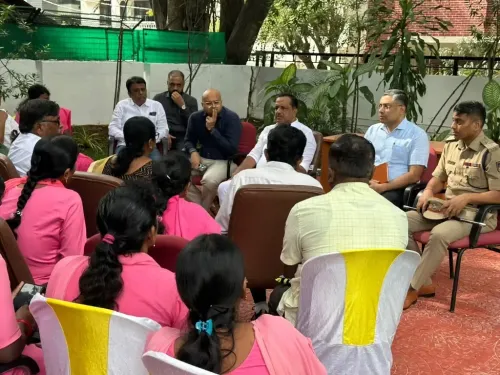
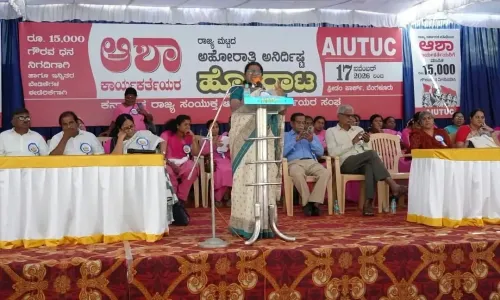
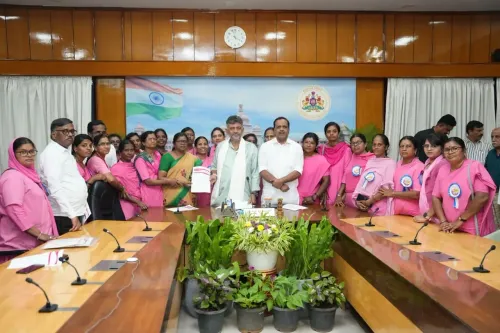
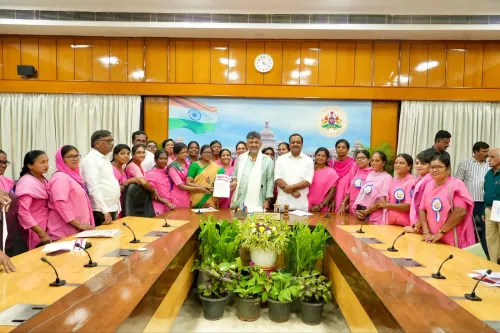
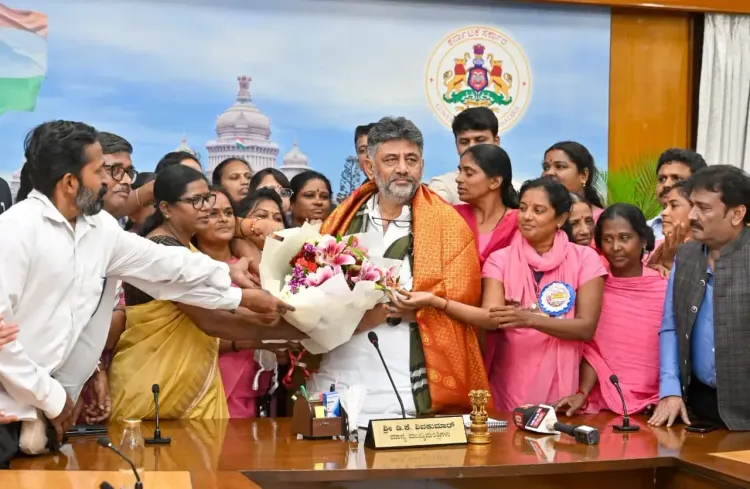
ASHA workers in Karnataka on Saturday, 28 November 2026, called off their 12-day strike after Chief Minister D.K. Shivakumar announced an additional ₹2,000 hike in their monthly honorarium, effective from 1 January. The decision came after talks with a delegation of the workers at the Chief Minister's official residence, Krishna, in Bengaluru. Shivakumar said the state stepped in because the honorarium had not been revised in three years.
Key Developments
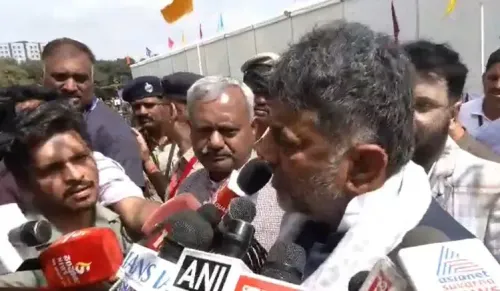
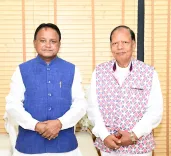
The meeting was held in the presence of Health Minister U.T. Khader and Rajya Sabha member G.C. Chandrashekar. After the discussions, Shivakumar told the media that the government had accepted the workers' demand for a higher honorarium.
“Me, G.C. Chandrashekar, and my Health Minister held a meeting with the ASHA workers. They have been on strike for the last 12 days. I spoke to them,” Shivakumar said. He added, “I think they have all agreed and are withdrawing the strike. We will stand by them. They are doing hard work.”
What the Revised Honorarium Looks Like
According to the Chief Minister, the state currently pays ₹5,000 and the Centre ₹2,000 as monthly honorarium. “With the additional Rs 2,000 announced by the state, they will receive around Rs 9,000, apart from the incentive-based benefits,” he said.
Shivakumar also said that ASHA workers receive an average performance-based incentive of around ₹2,000. This incentive is over and above the fixed honorarium.
State Blames the Centre
The Chief Minister said the Centre and the state were expected to share the honorarium in a 50:50 ratio. However, he said the Centre had not raised its contribution. “The Central government was supposed to enhance their honorarium, but it is giving only Rs 2,000,” he said.
He argued that the Centre should have taken the initiative on the hike and said the state government had stepped in instead. He cited the rising cost of living and the three-year freeze on revisions as the reasons for the decision.
Notably, the dispute reflects a recurring friction point in centrally sponsored schemes. In these schemes, states often end up topping up payments when Central allocations stay flat.
Politics Around the Agitation
Shivakumar described ASHA workers as an asset to Karnataka. He said they render sincere services in both rural and urban areas. He alleged that some people had tried to use the agitation for political purposes and to break the workers' unity, but had failed.
The Chief Minister said he had instructed the police to treat the protesting workers with respect. “The government has accorded them due respect. I have appealed to everyone to work together, and they have happily agreed,” he said.
Impact and What Comes Next
ASHAs (Accredited Social Health Activists) are the frontline link between public health systems and households. They handle maternal care, immunisation drives and community health outreach. The end of the strike is expected to restore these services across the state.
The revised payout takes effect from 1 January. The pressure now shifts to whether the Centre revises its share, a question likely to resurface in Centre-state funding debates.
Point of View
But it does not fix the underlying problem. Even after the hike, ASHA workers will earn around ₹9,000 a month, which is still modest pay for the backbone of rural public health delivery. By casting the Centre as the defaulter on a 50:50 arrangement, Shivakumar has gained politically while quietly absorbing a recurring fiscal cost. Unless ASHA pay is indexed to inflation rather than settled through periodic strikes, the next standoff is only a matter of time.
NationPress
28 Nov 2026
Frequently Asked Questions
Why did ASHA workers in Karnataka call off their strike?
They withdrew their 12-day strike after Chief Minister D.K. Shivakumar announced an additional ₹2,000 monthly honorarium hike, effective from 1 January. The announcement followed talks at his official residence in Bengaluru.
How much will Karnataka ASHA workers earn after the hike?
They will receive around ₹9,000 a month: ₹5,000 from the state, ₹2,000 from the Centre and the new ₹2,000 state top-up. This is in addition to an average performance-based incentive of about ₹2,000.
When will the ASHA honorarium hike take effect?
The additional ₹2,000 honorarium will take effect from 1 January, according to the Chief Minister.
Why did the Karnataka government blame the Centre?
Shivakumar said the Centre and the state were expected to share the honorarium 50:50, but the Centre had not increased its ₹2,000 contribution. He said the state stepped in because there had been no revision for three years.