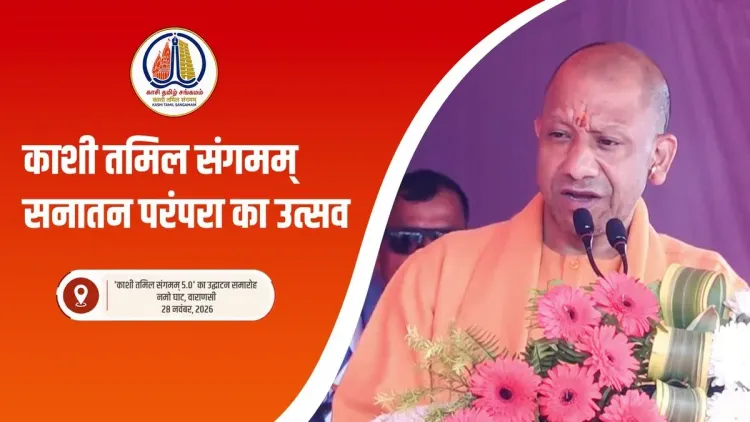
CM Yogi: Kashi-Tamil Sangamam celebrates one Indian culture
Synopsis
The Chief Minister's Office of Uttar Pradesh said Kashi-Tamil Sangamam has become a festival of India's Sanatan tradition, with one sentiment across languages and one culture across diverse customs, in line with PM Narendra Modi's Ek Bharat Shreshtha Bharat vision.
Key Takeaways
The Chief Minister's Office of Uttar Pradesh on 28 November 2026 said Kashi-Tamil Sangamam celebrates India's Sanatan tradition of one sentiment across languages.
Chief Minister Yogi Adityanath linked the festival to Prime Minister Narendra Modi's Ek Bharat, Shreshtha Bharat vision.
Kashi-Tamil Sangamam is held in Varanasi; editions began in 2022 as a flagship pairing of Tamil Nadu with Uttar Pradesh.
Ek Bharat Shreshtha Bharat was launched in 2015 to promote national integration through state-pair cultural activities.
The post argued that traditions may be diverse but Indian culture remains one.
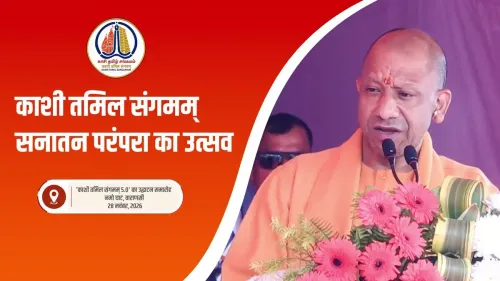
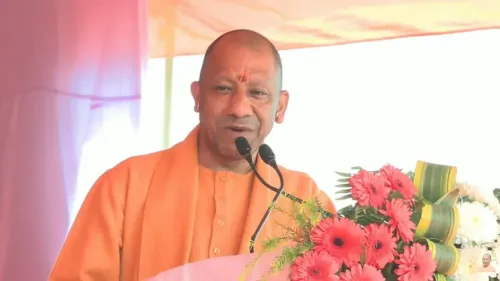
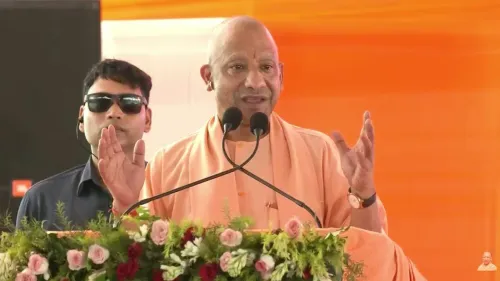
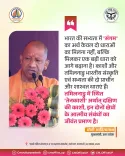
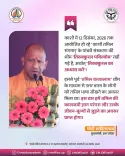
The Chief Minister's Office of Uttar Pradesh on 28 November 2026 put a river-city festival into a national frame: Kashi-Tamil Sangamam, it said, has become a celebration of India's Sanatan tradition — languages may differ, the sentiment does not. Quoting Chief Minister Yogi Adityanath, the office added that traditions can be diverse while culture remains one, and that this is the goal of Prime Minister Narendra Modi's Ek Bharat, Shreshtha Bharat vision.
The Hindi message, attributed to the Chief Minister, said the organisation of Kashi-Tamil Sangamam has today become a festival of that Sanatan tradition of India jahaan bhaashaayein bhaley hi alag-alag hon, lekin bhaav ek hain (where languages may be different, but the sentiment is one). Paramparaayein bhaley hi vividh hon, lekin sanskriti ek hai (traditions may be diverse, but culture is one). That, it said, is the aim of Hon'ble Prime Minister Shri Narendra Modi's 'Ek Bharat, Shreshtha Bharat' vision.
Kashi-Tamil Sangamam on the Varanasi ghats
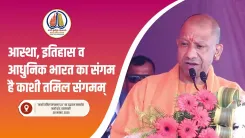
Kashi-Tamil Sangamam is a cultural festival held in Varanasi to connect Tamil heritage with Kashi's traditions and to deepen inter-regional understanding. Editions began in 2022 as a flagship activity under the Ek Bharat Shreshtha Bharat pairing of Tamil Nadu with Uttar Pradesh.
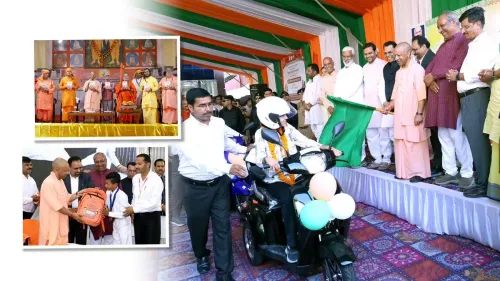
The claim is concrete, not abstract. Tamil scholarship, craft, food, and ritual share a calendar with Banarasi music and the ghats. The Chief Minister's Office treated Saturday's programme as proof of a civilisational line: many tongues, one inner feeling.
Ek Bharat Shreshtha Bharat since 2015
The central programme Ek Bharat Shreshtha Bharat was launched in 2015 to foster mutual understanding among states through paired cultural activities. Tamil Nadu and Uttar Pradesh sit in that pairing. The Sangamam became the most visible public face of the link.
The design does not rewrite India's federal structure. It stages exchange so linguistic distance does not harden into cultural distance. Lucknow's post repeated that argument without adding new administrative detail.
Two states, one culture, a recurring calendar
The people in the frame are the Tamil community and Varanasi residents, plus the two state governments that keep the pairing alive. The broader pattern is familiar: successive inter-regional festivals since 2015 have used shared heritage to argue for national unity.
Later editions of Kashi-Tamil Sangamam, and similar state-pair events, will show whether the calendar holds. For this Saturday, the line from the Chief Minister's Office was unambiguous. Many languages. One culture. That is the vision it chose to put on the record.
Point of View
Ek Bharat Shreshtha Bharat has used state pairings to stage unity without changing the Constitution. Kashi-Tamil Sangamam, from 2022, is the most visible Tamil Nadu–Uttar Pradesh expression of that idea. The political signal is continuity: Lucknow amplifying a Prime Minister-branded slogan through a riverfront festival rather than through a new law.
NationPress
28 Nov 2026
Frequently Asked Questions
What is Kashi-Tamil Sangamam?
Kashi-Tamil Sangamam is a cultural festival held in Varanasi that connects Tamil heritage with the traditions of Kashi to promote inter-regional understanding. Editions began in 2022 under the Ek Bharat Shreshtha Bharat pairing of Tamil Nadu and Uttar Pradesh.
What did CM Yogi Adityanath say about Kashi-Tamil Sangamam?
The Chief Minister's Office quoted him as saying the event has become a celebration of India's Sanatan tradition, where languages may be different but the sentiment is one, and traditions may be diverse but culture is one. He linked that idea to Prime Minister Narendra Modi's Ek Bharat, Shreshtha Bharat vision.
What is Ek Bharat Shreshtha Bharat?
It is a central government initiative launched in 2015 to foster mutual understanding among Indian states through paired cultural activities. Kashi-Tamil Sangamam is a flagship event under that framework for Tamil Nadu and Uttar Pradesh.
When did Kashi-Tamil Sangamam start?
Editions of Kashi-Tamil Sangamam began in 2022. The Uttar Pradesh Chief Minister's Office posted about the event on 28 November 2026, describing it as a festival of one culture across diverse traditions.
Why are Tamil Nadu and Uttar Pradesh paired for this festival?
Under Ek Bharat Shreshtha Bharat, states are paired for cultural exchange. Tamil Nadu and Uttar Pradesh form one such pair, and Kashi-Tamil Sangamam is the principal festival that brings Tamil heritage to Varanasi.