Assam Cabinet clears Rs 9.75 cr VRS for tea corp staff
Synopsis
The Assam Cabinet has approved a Rs 9.75 crore Voluntary Retirement Scheme for Assam Tea Corporation staff and cleared new homestay registration rules, combining PSU workforce rationalisation with a push to formalise the state's growing rural tourism sector.
Key Takeaways
The Assam Cabinet approved a Voluntary Retirement Scheme worth Rs 9.75 crore for Assam Tea Corporation employees on 24 June 2026 .
The VRS provides a compensation-based exit to eligible staff, reducing the state's long-term salary liability in the tea public-sector unit.
New rules for homestay registration were also cleared, formalising a framework for operators under the Assam Tourism Policy 2022-27 .
Assam is India's largest tea-producing state; the corporation has managed worker welfare obligations across multiple estates.
Both decisions fit a broader north-eastern states pattern of fiscal consolidation in PSUs alongside service-sector expansion.
Key watch points include VRS uptake figures and the notification of final homestay guidelines across tourist circuits such as Kaziranga and Upper Assam .
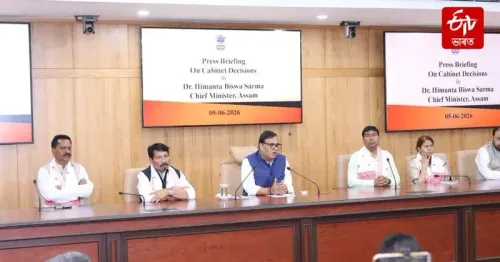
The Chief Minister's Office of Assam announced on Wednesday, 24 June 2026 that the Assam Cabinet has approved a Voluntary Retirement Scheme (VRS) worth Rs 9.75 crore for employees of the Assam Tea Corporation, alongside new rules governing homestay registration in the state.
Context
The twin decisions emerge from a single cabinet sitting and address two distinct policy priorities: rationalising the workforce of a legacy state public-sector unit and formalising the fast-growing homestay tourism segment. The Rs 9.75 crore outlay under the VRS will provide a compensation-based exit to eligible Assam Tea Corporation staff, reducing the state's long-term salary obligations in the sector.
Assam is India's largest tea-producing state, and the corporation has carried worker welfare obligations across several managed estates. A VRS mechanism allows the government to restructure headcount without retrenchment, offering workers a negotiated financial settlement to voluntarily exit service.
Policy Backdrop
The move builds on a trajectory dating to 2017, when the Assam government introduced a special package for the revival of sick tea gardens that included limited VRS components. The latest approval scales up that approach with a dedicated financial allocation for corporation staff.
On the tourism side, the Assam Tourism Policy 2022-27 explicitly identified homestays as a vehicle for rural livelihood generation and organised tourism growth, particularly in the state's biodiversity-rich districts. The new registration rules are expected to translate that policy intent into a standardised regulatory framework for homestay operators.
Across north-eastern states, parallel tracks of PSU workforce rationalisation and service-sector deregulation have become a recurring cabinet-level reform pattern aimed at fiscal consolidation alongside revenue diversification.
Stakeholders and Impact
Employees of the Assam Tea Corporation eligible for the scheme stand to receive structured retirement benefits, providing financial security while relieving the corporation of recurring salary expenditure. The quantum of Rs 9.75 crore signals a one-time budgetary commitment rather than an open-ended liability.
For homestay operators — many of them small households in rural and semi-urban Assam — the new registration rules introduce a formal pathway to recognition, potentially unlocking access to government tourism promotion schemes and organised booking platforms. Standardised rules also offer tourists greater assurance on quality and safety norms.
What's Next
Attention will now turn to the uptake rate among eligible Assam Tea Corporation employees and whether the Rs 9.75 crore allocation is sufficient to cover all applicants, or whether a supplementary provision may be required in the 2026-27 Assam budget. Implementation orders detailing eligibility criteria and the payout formula are expected to follow the cabinet approval.
On the tourism front, the publication and notification of the final homestay registration guidelines will be a key milestone, with industry observers watching whether simplified norms accelerate new registrations across circuits such as Kaziranga, the Brahmaputra riverine belt, and the tea-garden belts of Upper Assam. Together, the two decisions reflect a cabinet willing to use targeted financial instruments and regulatory reform in tandem to reshape both the state's PSU landscape and its tourism economy.
Point of View
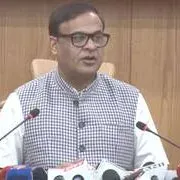
A calculus that will be tested by actual employee uptake. The homestay rules, meanwhile, operationalise a five-year tourism policy that has until now remained aspirational for rural operators. Taken together, the decisions reinforce Chief Minister Himanta Biswa Sarma's pattern of incremental but consistent structural reform rather than headline mega-projects.
NationPress
22 Sept 2026
Frequently Asked Questions
What is the Assam Cabinet VRS for tea corporation employees?
The Assam Cabinet approved a Voluntary Retirement Scheme worth Rs 9.75 crore on 24 June 2026 to offer eligible Assam Tea Corporation employees a compensation-based exit from service, reducing the state's long-term salary obligations.
Who is eligible for the Assam Tea Corporation VRS 2026?
The cabinet approval covers Assam Tea Corporation staff, though specific eligibility criteria — such as years of service or grade — are expected to be detailed in subsequent implementation orders issued by the state government.
What are the new homestay registration rules in Assam?
The Assam Cabinet cleared a regulatory framework for homestay registration on 24 June 2026, providing a formal pathway for homestay operators to get recognised under the Assam Tourism Policy 2022-27. Detailed guidelines are pending notification.
Why is Assam restructuring the Assam Tea Corporation workforce?
Assam is rationalising the Tea Corporation's workforce to reduce recurring salary liabilities, continuing a policy direction that began with a 2017 package for sick tea gardens. A one-time VRS payout is seen as more fiscally sustainable than long-term payroll commitments.
How do the new homestay rules benefit tourism in Assam?
Standardised registration rules give small homestay operators formal recognition, potentially opening access to government promotion schemes and organised booking platforms, and giving tourists greater assurance on quality — supporting rural tourism in districts around Kaziranga and Upper Assam.