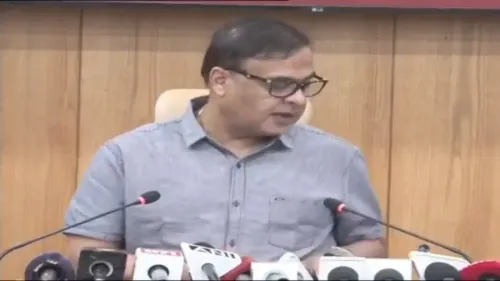
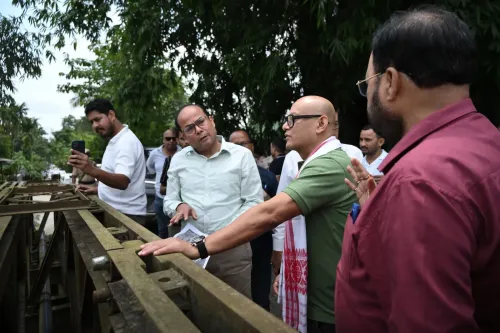
Assam CM Himanta briefs media on cabinet flood decisions
Synopsis
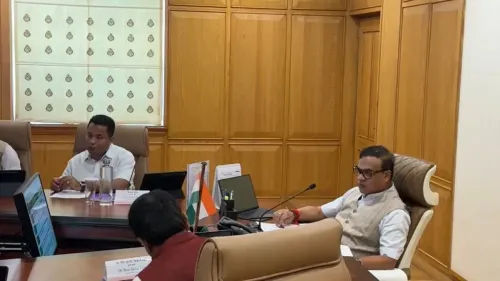
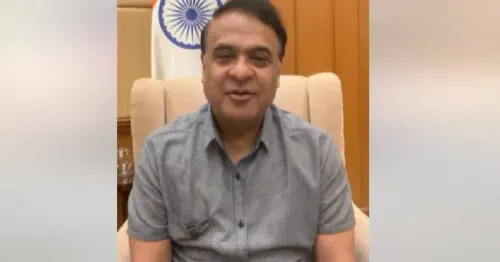
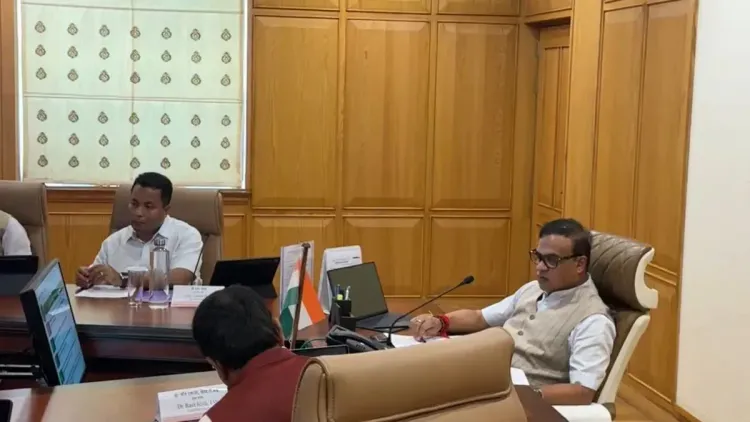
Chief Minister Dr. Himanta Biswa Sarma briefed media on July 31 on the Assam Cabinet's flood response, announcing a comprehensive damage assessment, insurance company discussions to limit losses, active relief distribution, and textbook supply to flood-affected students.
Key Takeaways
Assam Cabinet met and took key decisions on flood relief, briefed to media by CM Dr.
Himanta Biswa Sarma on July 31, 2026 .
A comprehensive damage assessment will be carried out across flood-affected areas in Assam .
The state government will hold discussions with insurance companies to help minimise financial losses for affected people.
Textbooks are being distributed to flood-affected students as part of educational rehabilitation.
Relief distribution and broader rehabilitation measures are already underway following cabinet decisions taken over the preceding days.
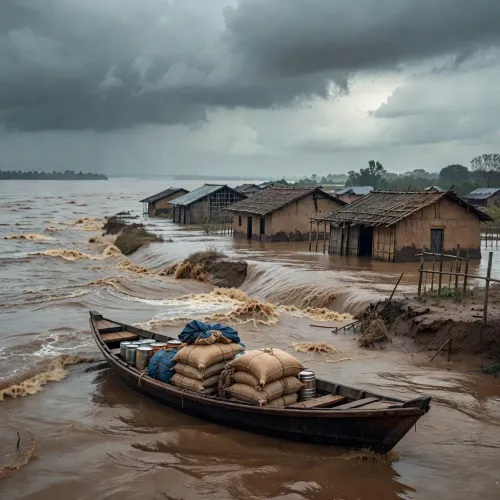
Assam faces annual monsoon flooding from the Brahmaputra and Barak rivers, making structured disaster response a recurring governance priority.
Every monsoon, Assam braces for a familiar reckoning — and this year is no different. On Friday, July 31, 2026, Chief Minister Dr. Himanta Biswa Sarma stepped before the media to detail the Assam Cabinet's response to the ongoing flood crisis, outlining relief measures already underway and signalling a more structured push to protect affected communities from long-term losses.
Damage assessment and the insurance angle
The CM announced that a comprehensive damage assessment will be conducted across flood-hit areas — a critical first step before any structured compensation can flow. More notably, the government has committed to holding discussions with insurance companies to help minimise losses suffered by affected people, a signal that Assam is looking beyond traditional state-funded relief toward financial risk-transfer mechanisms.
This is not a new instinct for the state, but formalising insurer engagement as part of a cabinet-level briefing gives it fresh weight. The outcomes of those discussions — and whether any formal agreements materialise — will be the real test.
Textbooks, relief, and rehabilitation already moving
Dr. Sarma also updated the media on decisions taken over the preceding days: relief distribution is active, and textbooks are being distributed to flood-affected students — a detail that speaks directly to the disruption flooding causes in classrooms across Assam's river-belt districts. Rehabilitation measures are also in motion, the CM said, without specifying district-level timelines.
The inclusion of educational continuity alongside food and shelter relief reflects a pattern that Assam has built into its monsoon response in recent years — recognising that a child who loses textbooks in a flood loses months of learning, not just a set of books.
Assam's annual flood burden
Assam sits astride the Brahmaputra and Barak river systems, making seasonal inundation not an exception but a structural reality. Successive state governments have cycled through the same emergency toolkit — assessment, relief camps, food packets, school support — with varying degrees of follow-through. The current administration's stated push to loop in insurance companies is an attempt to add a financial layer that pure government relief cannot provide.
Whether the promised assessment report reaches the public, and whether insurer talks produce anything binding, will determine if this cabinet briefing marks a genuine step forward or another monsoon promise that fades with the floodwaters.
Point of View
Publicly anchoring this in a cabinet briefing raises the political stakes: it creates an accountability trail that flood-affected communities and opposition benches can follow. The textbook distribution signal is smart politics and sound policy — education disruption is one of flooding's least-visible but most lasting harms. The credibility of this entire package, however, rests on whether the damage assessment is published and whether insurer talks yield enforceable commitments before the floodwaters recede and media attention moves on.
NationPress
31 Jul 2026
Frequently Asked Questions
What flood relief decisions did the Assam Cabinet take in July 2026?
The Assam Cabinet approved measures including a comprehensive damage assessment, discussions with insurance companies to minimise losses, active relief distribution, textbook supply to flood-affected students, and broader rehabilitation efforts — all briefed by CM Dr. Himanta Biswa Sarma on July 31, 2026.
Why is Assam so badly affected by floods every year?
Assam sits along the Brahmaputra and Barak river systems, which swell dramatically during the monsoon season, making large-scale annual flooding a structural reality for the state rather than an exceptional event.
How will insurance companies help Assam flood victims?
The Assam government has said it will hold discussions with insurance companies to explore ways to minimise financial losses suffered by flood-affected people; specific agreements or schemes had not been announced as of the July 31 briefing.
Are textbooks being given to students affected by Assam floods?
Yes. CM Himanta Biswa Sarma confirmed that the distribution of textbooks to flood-affected students is part of the state's ongoing rehabilitation measures, aimed at preventing prolonged disruption to education.
What is a flood damage assessment and why does it matter?
A flood damage assessment is a systematic survey of losses to property, agriculture, and infrastructure caused by flooding. It is the foundational step for calculating compensation, directing relief funds, and engaging insurers or central government schemes.