Assam CM Himanta honours Bordoloi on 76th death anniversary
Synopsis
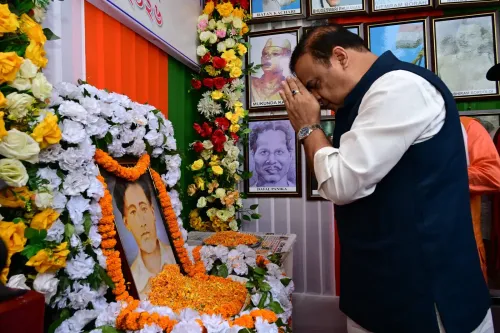
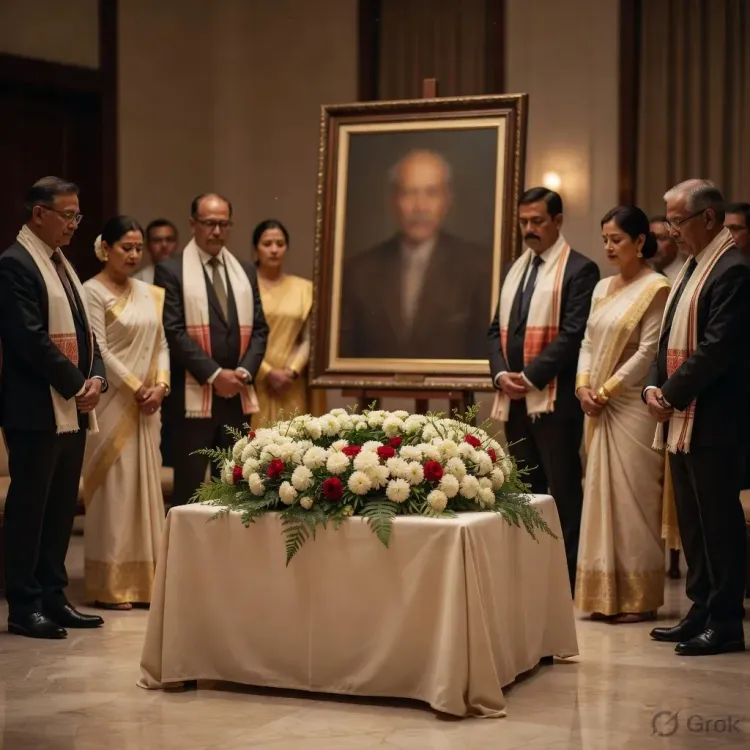
On Lok Kalyan Diwas, 5 August 2026, Assam CM Himanta Biswa Sarma paid tributes to Bharat Ratna Gopinath Bordoloi on his 76th death anniversary and honoured state employees with the Lok Sewa Award 2026 and Karmashree Award 2026 for exemplary public service.
Key Takeaways
Lok Kalyan Diwas falls on 5 August each year, marking the death anniversary of Assam's first Chief Minister, Gopinath Bordoloi .
Himanta Biswa Sarma led the official tributes on Bordoloi's 76th death anniversary in 2026.
Bordoloi, a Bharat Ratna recipient, is credited with keeping Assam within India by opposing its grouping with East Pakistan during partition.
The Lok Sewa Award 2026 and Karmashree Award 2026 were presented to dedicated state government employees for exemplary service.
The Government of Assam has maintained a consistent tradition of linking Bordoloi's commemoration to public-service recognition.
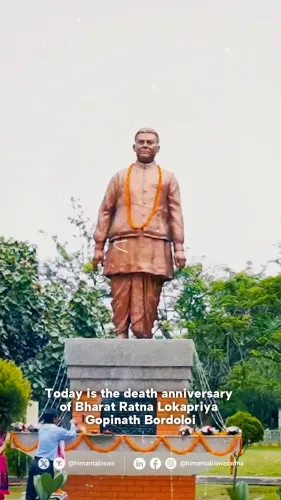
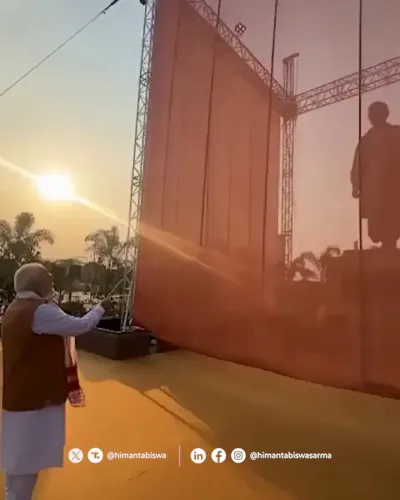
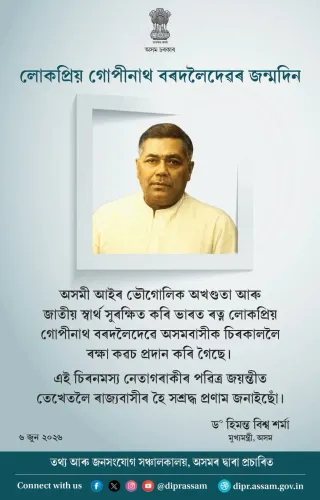
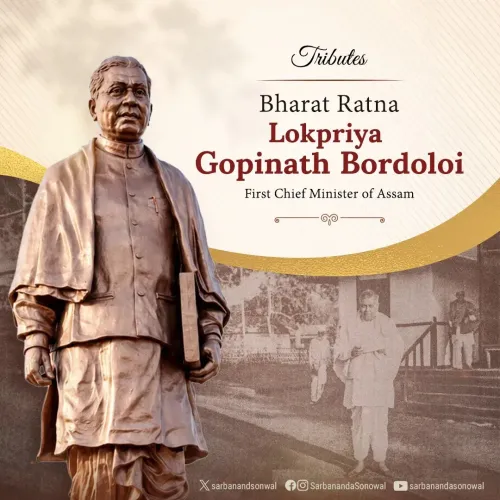
Seventy-six years after Gopinath Bordoloi drew his last breath, Assam paused on 5 August 2026 to remember the man who kept the state inside India's map. The Chief Minister's Office of Assam announced that Chief Minister Dr. Himanta Biswa Sarma paid heartfelt tributes to Bharat Ratna Lokpriya Gopinath Bordoloi on his 76th death anniversary, honouring the architect of modern Assam and his enduring legacy of selfless public service.
The man who kept Assam in India
Gopinath Bordoloi served as Assam's first Chief Minister from 1946 to 1950, steering the state through the turbulent partition years. His most consequential act was resisting the Cabinet Mission Plan's proposal to group Assam with what would become East Pakistan — a battle fought in conference rooms in Delhi that shaped the northeast's political geography for generations. He died on 5 August 1950, and was posthumously awarded the Bharat Ratna, India's highest civilian honour, in recognition of that foundational work.
Lok Kalyan Diwas and the Lok Sewa Award 2026
The death anniversary has been institutionalised by the Government of Assam as Lok Kalyan Diwas — a day of public welfare — turning a moment of mourning into a forward-looking celebration of service. This year, dedicated state government employees were recognised with the Lok Sewa Award 2026 and the Karmashree Award 2026 for exemplary performance. CM Himanta Biswa Sarma conveyed his best wishes to all awardees.
The pairing is deliberate: honouring Bordoloi's memory through the recognition of those who carry forward the same ethic of public service he embodied. Assam governments have maintained this practice consistently, combining historical reverence with administrative incentives — a template that reinforces institutional continuity even as political leadership changes.
A legacy that still frames Assam's politics
Bordoloi's story is not merely ceremonial history. The northeast's complex questions of identity, belonging, and administrative integrity — still live debates in Assam today — trace a direct line back to the choices he made in 1947. Each year's commemoration is, in part, a statement about which founding narrative the state chooses to amplify. For CM Sarma, invoking Bordoloi is also a reminder that Assam's place in the Indian union was hard-won, not given.
The awards ceremony adds a practical dimension: it signals to the state's bureaucracy that performance is watched and rewarded, tethering the occasion to the present rather than letting it drift into pure nostalgia.
Point of View
The commemoration reinforces a narrative of Assam's hard-won unity at a time when the northeast's integration remains a live political theme. Pairing the tribute with the Lok Sewa and Karmashree Awards is a structurally smart move: it converts a day of historical memory into a bureaucratic incentive, signalling that the state's administrative machinery is being watched and rewarded. The consistency of this practice across successive Assam governments also suggests it has graduated from political choice to institutional norm.
NationPress
19 Sept 2026
Frequently Asked Questions
Who was Gopinath Bordoloi and why is he remembered?
Gopinath Bordoloi was Assam's first Chief Minister (1946-1950) and a Bharat Ratna recipient, best known for successfully opposing Assam's grouping with East Pakistan during partition, thereby keeping the state within India.
What is Lok Kalyan Diwas in Assam?
Lok Kalyan Diwas is observed annually on 5 August, the death anniversary of Gopinath Bordoloi. The Government of Assam marks the day with tributes and public-service award ceremonies.
What are the Lok Sewa Award and Karmashree Award?
The Lok Sewa Award and Karmashree Award are honours presented by the Government of Assam to state government employees who have demonstrated exemplary and dedicated public service.
When did Gopinath Bordoloi die?
Gopinath Bordoloi died on 5 August 1950. The 2026 observance marks his 76th death anniversary.
What did CM Himanta Biswa Sarma do on Lok Kalyan Diwas 2026?
CM Dr. Himanta Biswa Sarma paid tributes to Bordoloi's memory and presented the Lok Sewa Award 2026 and Karmashree Award 2026 to dedicated state government employees, conveying his best wishes to all awardees.