Assam CM Himanta Highlights 30-Year Bat Conservation by Jonai Family
Synopsis
Assam CM Himanta Biswa Sarma highlighted the Pegu family of Jonai, who have preserved a bat-sheltering bamboo grove for 30 years. The bats support local agriculture through pollination and pest control, offering a grassroots model of human-wildlife coexistence in eastern Assam.
Key Takeaways
The Pegu family of Jonai , Assam, has voluntarily maintained a bamboo grove housing thousands of bats for 30 years .
CM Himanta Biswa Sarma publicly recognised the effort on 21 July 2026 , calling it a 'perfect coexistence.' The bats contribute to pollination and pest control , directly improving agricultural productivity for local farmers.
Jonai is located in Dhemaji district , eastern Assam, a biodiversity-sensitive corridor bordering Arunachal Pradesh.
No formal state incentive or award for the family has been announced yet, but the public recognition raises the profile of community-led conservation.
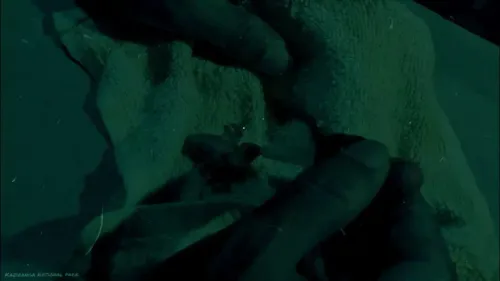
Assam Chief Minister Himanta Biswa Sarma on Tuesday, 21 July 2026, spotlighted a remarkable three-decade-long wildlife conservation effort by the Pegu family of Jonai in Assam, calling it a 'perfect coexistence' of humans and nature. The family has maintained a bamboo grove that shelters thousands of bats, which in turn support local agriculture through pollination and pest control.
Context
The Pegu family of Jonai — a town in Dhemaji district, eastern Assam — has for 30 years voluntarily preserved a bamboo grove on their land. The grove has become a natural roosting habitat for thousands of bats, making it one of the more quietly significant community-level conservation stories in the region. CM Sarma described the family's effort as 'setting an example in wildlife conservation.'
Jonai lies along the southern bank of the Brahmaputra and borders Arunachal Pradesh, a biodiversity-rich corridor. Community-level habitat preservation in such zones is increasingly recognised as critical to maintaining ecological balance in the broader Northeast India landscape.
Policy Backdrop
Bats are among the most ecologically important yet under-appreciated mammals in India. They serve as primary pollinators for several night-blooming plant species and are voracious consumers of agricultural pests, with a single bat capable of consuming hundreds of insects per hour. Their role in sustaining crop yields without chemical intervention aligns closely with India's broader push toward natural farming and reduced pesticide dependence.
Assam has in recent years seen growing state interest in community-based conservation models, alongside its formal protected-area network that includes Kaziranga National Park and Dibru-Saikhowa National Park. Recognising informal conservation efforts by families and communities represents a complementary approach to top-down wildlife protection frameworks.
Stakeholders and Impact
The direct beneficiaries of the Pegu family's effort are neighbouring farmers, who gain from improved pollination rates and natural pest suppression — both of which translate to better agricultural productivity, as CM Sarma noted. For a district like Dhemaji, where agriculture is the primary livelihood, such ecological services carry tangible economic value.
The broader implication extends to bat conservation across Assam and the Northeast, where habitat loss and hunting have historically threatened bat populations. Public recognition by the Chief Minister lends visibility to a model that could be replicated by other families and communities across the region.
What's Next
The Chief Minister's post stops short of announcing formal recognition or state support for the Pegu family, but the public spotlight often precedes institutional acknowledgement in such cases. Wildlife and forest departments in Assam may be expected to assess whether community conservation incentive programmes can be extended to cover informal habitat guardians like the Pegu family. If formalised, such a framework could encourage dozens of similar micro-conservation efforts across Northeast India to come forward and seek support.
Point of View
High-visibility act of state endorsement for community conservation — the kind that costs nothing in budget but can shift local norms. By framing a private family's three-decade effort as exemplary, he implicitly signals that such informal stewardship is valued by the government, which could encourage similar behaviour elsewhere in the Northeast. The post also fits a broader pattern of BJP-led state governments championing indigenous ecological knowledge and community-rooted environmental action as an alternative narrative to top-down conservation. Whether this translates into a formal community conservancy programme for Assam remains the key policy question.
NationPress
20 Oct 2026
Frequently Asked Questions
Who is the Pegu family of Jonai and what have they done?
The Pegu family of Jonai in Dhemaji district, Assam, has preserved a bamboo grove on their land for 30 years, providing a roosting habitat for thousands of bats. Assam CM Himanta Biswa Sarma highlighted their effort as an example of wildlife conservation.
How do bats help in agriculture in Assam?
Bats aid agriculture by pollinating plants and consuming large quantities of insects, reducing pest pressure on crops. This natural service improves agricultural productivity without the need for chemical pesticides.
Where is Jonai located in Assam?
Jonai is a town in Dhemaji district in eastern Assam, situated along the southern bank of the Brahmaputra river and bordering Arunachal Pradesh.
Has the Assam government given any award to the Pegu family?
As of CM Sarma's post on 21 July 2026, no formal award or state incentive for the Pegu family has been announced. The Chief Minister's public recognition is the extent of official acknowledgement so far.
Why is bat conservation important in Northeast India?
Bats are key pollinators and pest controllers in Northeast India's ecologically rich corridors. Habitat loss and hunting have historically threatened bat populations, making community-level conservation efforts like that of the Pegu family especially significant.