CM Himanta Launches Assam's 5-Year Farm Modernisation Plan
Synopsis
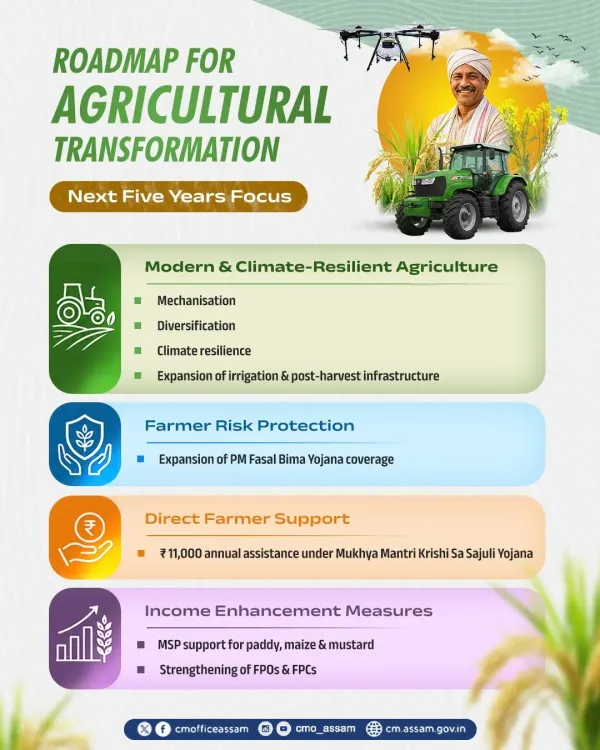
Assam's Chief Minister Dr. Himanta Biswa Sarma has unveiled a five-year agricultural roadmap combining climate-resilient farming, expanded crop insurance under PMFBY, and Rs 11,000 annual direct aid to farmers under the Mukhya Mantri Krishi Sa Sajuli Yojana, targeting comprehensive rural income empowerment.
Key Takeaways
The Chief Minister's Office of Assam announced a five-year agricultural roadmap on 25 May 2026 .
Himanta Biswa Sarma is leading the initiative aimed at modernising farming and boosting rural incomes.
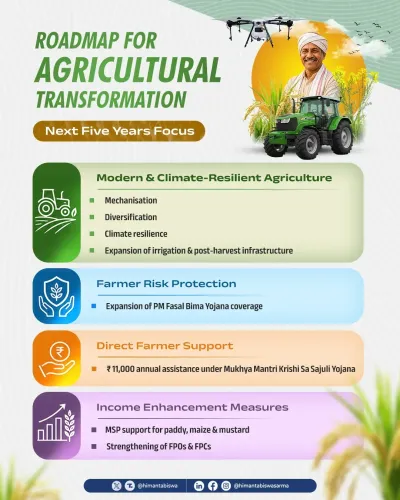
Farmers will receive Rs 11,000 annually under the Mukhya Mantri Krishi Sa Sajuli Yojana for tools and inputs.
The plan includes expanded coverage under the central Pradhan Mantri Fasal Bima Yojana (PMFBY) , first launched in 2016.
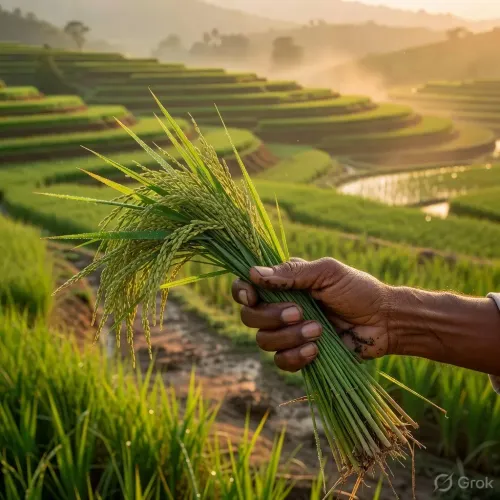
Climate-resilient farming methods are a core pillar, addressing Assam's vulnerability to floods and erratic monsoons.
Implementation milestones and budget allocations are expected to be detailed in upcoming assembly sessions.
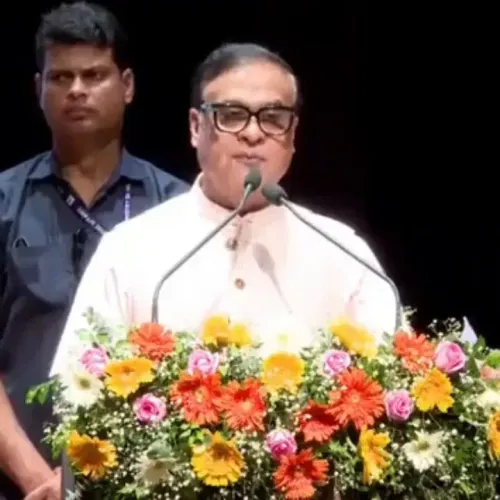
The Chief Minister's Office of Assam announced on Monday, 25 May 2026 that the state government, led by Chief Minister Dr. Himanta Biswa Sarma, has unveiled a five-year agricultural roadmap aimed at modernising farming practices and boosting rural incomes across the state.
Context
The roadmap centres on three pillars: adoption of climate-resilient farming methods, expanded coverage under the Pradhan Mantri Fasal Bima Yojana (PMFBY), and direct financial assistance to cultivators. Under the state's Mukhya Mantri Krishi Sa Sajuli Yojana, eligible farmers will receive Rs 11,000 annually as direct financial aid for agricultural tools and inputs.
The Chief Minister's Office described the initiative as ensuring 'comprehensive empowerment for farmers at every step,' signalling an intent to address agrarian challenges at both the production and income-security levels.
Policy Backdrop
The Pradhan Mantri Fasal Bima Yojana, launched by the central government in 2016, replaced earlier crop insurance schemes such as the National Agricultural Insurance Scheme to offer subsidised premium-based protection against crop losses. Assam's plan to expand PMFBY coverage builds on that national framework by deepening enrolment among farmers who have historically remained outside formal insurance nets.
Northeast India, including Assam, has faced shifting and erratic monsoon patterns since the early 2010s, making climate-resilient agriculture a policy priority for the region. The five-year horizon of this roadmap aligns with a broader trend of Indian states crafting medium-term agricultural strategies that layer state-funded direct benefit transfers onto central schemes to address local conditions more precisely.
Stakeholders and Impact
The primary beneficiaries are Assam's farming households, who constitute a significant share of the state's rural population. The Mukhya Mantri Krishi Sa Sajuli Yojana component is specifically designed to reduce out-of-pocket expenditure on farm equipment and inputs, easing financial pressure on smallholder cultivators.
Expanded PMFBY enrolment is expected to provide a safety net against weather-related crop failures — a recurring concern in a state vulnerable to floods and erratic rainfall. Together, these measures aim to reduce agrarian distress and stabilise rural household incomes over the five-year period.
What's Next
Attention will now turn to state budget allocations and phased rollout milestones as the roadmap moves from announcement to implementation. Upcoming Assam Legislative Assembly sessions are expected to provide clarity on funding commitments and targets for each year of the plan.
The success of the initiative will likely hinge on enrolment rates under PMFBY, timely disbursal of the annual Rs 11,000 direct benefit, and measurable adoption of climate-resilient practices on the ground — all of which will be closely watched by agricultural policy observers and rural communities alike.
Point of View
000 annual figure under Mukhya Mantri Krishi Sa Sajuli Yojana is modest but targeted, signalling a preference for instrument-specific aid over broad subsidy expansion. For CM Himanta Biswa Sarma, the announcement reinforces an agrarian governance identity ahead of any future electoral cycle, particularly in a state where rural voters are decisive. The medium-term, five-year framing also suggests institutional ambition beyond a single budget cycle — a shift from reactive welfare to structured agricultural transformation.
NationPress
10 Oct 2026
Frequently Asked Questions
What is the Mukhya Mantri Krishi Sa Sajuli Yojana?
The Mukhya Mantri Krishi Sa Sajuli Yojana is an Assam state government scheme that provides eligible farmers with Rs 11,000 annually as direct financial assistance for purchasing agricultural tools and inputs, reducing out-of-pocket costs for smallholder cultivators.
What is Assam's 5-year agricultural roadmap about?
Assam's five-year agricultural roadmap, announced in May 2026 under CM Dr. Himanta Biswa Sarma , aims to modernise farming through climate-resilient methods, expand crop insurance under PMFBY, and provide direct annual financial aid to farmers.
What is PM Fasal Bima Yojana and how does it help Assam farmers?
The Pradhan Mantri Fasal Bima Yojana (PMFBY) is a central government crop insurance scheme launched in 2016 that protects farmers against losses from weather and other risks through subsidised premiums. Assam's roadmap seeks to expand enrolment so more farmers in the state benefit from this safety net.
How does climate-resilient farming feature in Assam's agriculture plan?
Climate-resilient farming methods are a core pillar of Assam's five-year roadmap, responding to the state's vulnerability to floods and erratic monsoon patterns that have intensified agricultural risk across Northeast India since the early 2010s.
When will Assam's agricultural roadmap be implemented?
The roadmap was announced on 25 May 2026 . Detailed phased implementation timelines and budget allocations are expected to be presented in upcoming Assam Legislative Assembly sessions.