CM Fadnavis Launches Mukhyamantri Tirth Darshan Yojana for Seniors
Synopsis
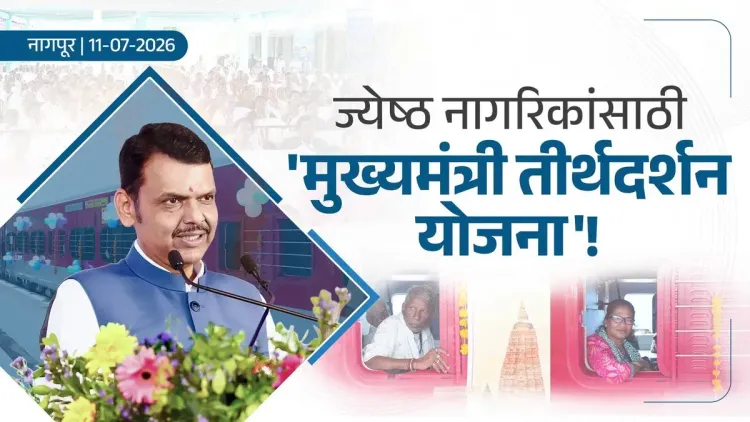
Maharashtra Chief Minister Devendra Fadnavis launched the Mukhyamantri Tirth Darshan Yojana on 11 July 2026 in Nagpur, flagging off the inaugural Bodh Gaya Darshan Rail Yatra to provide senior citizens free or subsidised pilgrimage travel by rail — extending a welfare model pioneered by other BJP-ruled states.
Key Takeaways
Maharashtra CM Devendra Fadnavis launched the Mukhyamantri Tirth Darshan Yojana on 11 July 2026 in Nagpur .
The scheme is designed for senior citizens who have been unable to undertake religious pilgrimages.
The inaugural journey under the scheme is the Bodh Gaya Darshan Rail Yatra , travelling to the Buddhist pilgrimage site in Bihar .
The scheme uses rail travel as its primary mode of organised pilgrimage access for the elderly.
Similar tirth yatra schemes have been run by Madhya Pradesh and Rajasthan since the early 2010s.
Eligibility criteria, beneficiary numbers, and further destinations under the scheme are yet to be formally announced.
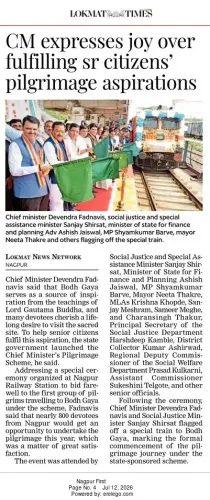
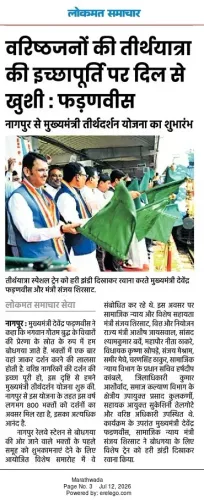
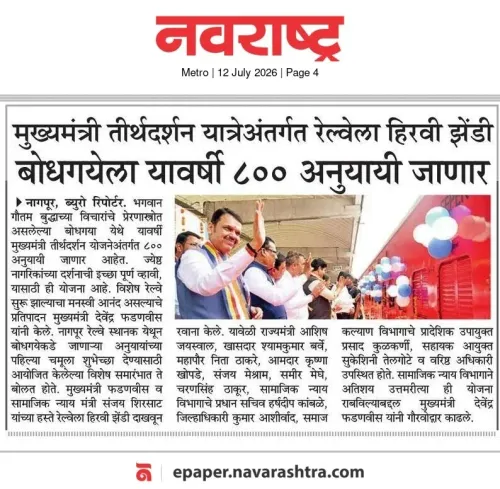
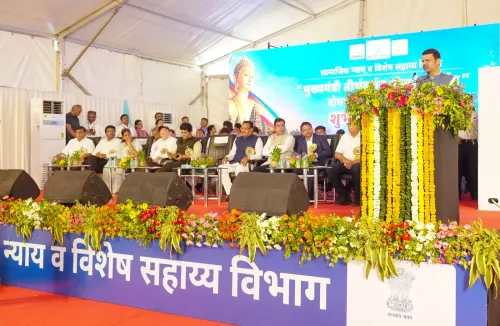
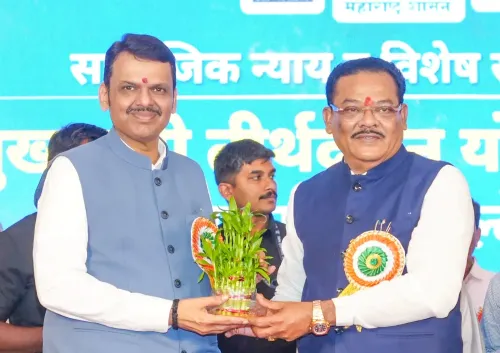
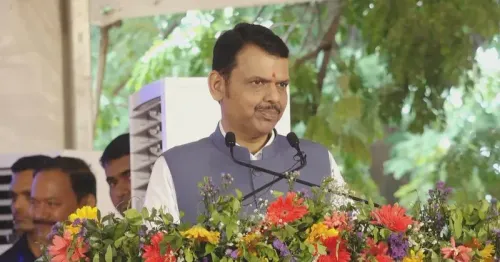
Maharashtra Chief Minister Devendra Fadnavis on Saturday, 11 July 2026, flagged off the inaugural Bodh Gaya Darshan Rail Yatra from Nagpur, marking the launch of the Mukhyamantri Tirth Darshan Yojana — a state government scheme designed to enable senior citizens who have been unable to undertake religious pilgrimages to do so by rail.
Posting on X, Fadnavis announced the scheme in both Marathi and Hindi, writing: 'तीर्थदर्शनापासून वंचित राहणाऱ्या ज्येष्ठ नागरिकांसाठी मुख्यमंत्री तीर्थदर्शन योजना सुरू करण्यात आली आहे' — 'The Mukhyamantri Tirth Darshan Yojana has been launched for senior citizens who have been deprived of pilgrimage visits.' The Bodh Gaya Darshan Rail Yatra was identified as the first journey under the scheme.
Context
The scheme targets elderly residents of Maharashtra who wish to visit sacred religious sites but have been unable to do so — whether due to financial constraints, mobility limitations, or lack of organised access. The flagging-off ceremony was held in Nagpur, the state's winter capital and a city with deep significance as a BJP organisational hub.
Bodh Gaya, located in Bihar, is among India's most revered pilgrimage destinations — the site where Gautama Buddha is believed to have attained enlightenment. Its selection as the first destination under the yojana signals an inclusive, multi-faith orientation for the scheme.
Policy Backdrop
Senior citizen pilgrimage schemes have a well-established lineage across Indian states. Madhya Pradesh and Rajasthan pioneered similar rail-based tirth yatra programmes from the early 2010s, typically offering subsidised or free travel to major religious sites for citizens above a specified age threshold.
The Mukhyamantri Tirth Darshan Yojana follows this template, using the Indian Railways network to organise group travel. Such schemes are broadly positioned as social inclusion measures, addressing the cultural and spiritual needs of the elderly as part of wider senior citizen welfare frameworks that also cover health and pension support.
Stakeholders and Impact
Senior citizens across Maharashtra are the primary beneficiaries. For many elderly residents, organised rail yatras under state patronage remove the logistical and financial barriers that have historically made long-distance pilgrimage inaccessible.
The scheme also carries political significance for the BJP-led Maharashtra government, reinforcing its welfare credentials ahead of any future electoral cycle. Pilgrimage assistance initiatives have consistently resonated with older voter demographics in states where they have been implemented.
What's Next
The immediate focus will be on the operational rollout of the Bodh Gaya Darshan Rail Yatra and the experience of its first cohort of beneficiaries. Key details — including eligibility criteria, the selection process for beneficiaries, the number of trips planned, and any subsidy or cost structure — are expected to be formalised and communicated by the state government in the coming weeks.
Observers will also watch whether subsequent phases of the Mukhyamantri Tirth Darshan Yojana expand coverage to additional pilgrimage destinations beyond Bodh Gaya, potentially including sites of significance to Hindu, Sikh, Jain, and other communities across India.
Point of View
A reliably large and politically engaged demographic. By choosing Bodh Gaya as the inaugural destination, the Fadnavis government signals a multi-faith framing that broadens the scheme's appeal beyond any single community. The Nagpur launch venue — the ideological heartland of the RSS and a city where Fadnavis has deep political roots — is unlikely to be incidental. Whether the scheme achieves meaningful scale or remains symbolically prominent will depend on the administrative machinery the state deploys for beneficiary selection and logistics in the months ahead.
NationPress
10 Oct 2026
Frequently Asked Questions
What is the Mukhyamantri Tirth Darshan Yojana in Maharashtra?
The Mukhyamantri Tirth Darshan Yojana is a Maharashtra government welfare scheme launched on 11 July 2026 that provides senior citizens with organised rail travel to religious pilgrimage destinations at no or subsidised cost.
Who is eligible for the Maharashtra Mukhyamantri Tirth Darshan Yojana?
The scheme targets senior citizens of Maharashtra who have been unable to undertake religious pilgrimages on their own. Specific eligibility criteria such as age limit and income requirements had not been formally announced at the time of launch.
Where is the first trip under the Mukhyamantri Tirth Darshan Yojana going?
The inaugural journey under the scheme is the Bodh Gaya Darshan Rail Yatra, travelling to Bodh Gaya in Bihar — the Buddhist pilgrimage site where Gautama Buddha is believed to have attained enlightenment.
Which other states have similar senior citizen pilgrimage schemes?
Madhya Pradesh and Rajasthan have operated comparable senior citizen tirth yatra schemes since the early 2010s, using subsidised or free rail travel to major religious sites — a model Maharashtra is now adopting.
Where was the Mukhyamantri Tirth Darshan Yojana launched?
Chief Minister Devendra Fadnavis launched the scheme and flagged off the first Bodh Gaya Darshan Rail Yatra from Nagpur, Maharashtra's winter capital, on 11 July 2026.