CM Fadnavis Launches Bodh Gaya Rail Pilgrimage Under Tirtha Darshan Yojana
Synopsis
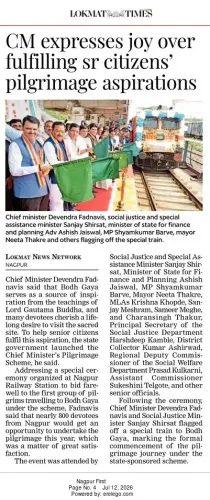
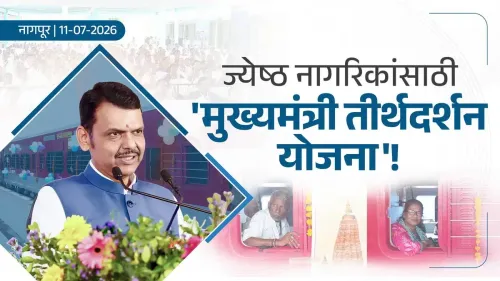
Chief Minister Devendra Fadnavis on 11 July 2026 flagged off the 'Bodhgaya Darshan Railway Yatra' from Nagpur under the Mukhyamantri Tirtha Darshan Yojana, extending Maharashtra's subsidised pilgrimage rail network to the UNESCO-listed Buddhist holy site in Bihar.
Key Takeaways
Chief Minister Devendra Fadnavis inaugurated the Bodhgaya Darshan Railway Yatra on 11 July 2026 from Nagpur .
The journey is part of the Mukhyamantri Tirtha Darshan Yojana , Maharashtra's state-subsidised pilgrimage scheme.
Bodh Gaya in Bihar is a UNESCO World Heritage Site and the foremost Buddhist pilgrimage destination in India.
The scheme targets lower-income residents and senior citizens, providing organised, affordable religious travel.
Nagpur's large Buddhist community, rooted in the 1956 Ambedkarite mass conversion , is among the key beneficiaries.
Future rollout of additional destinations under the yojana remains to be announced by the state government.
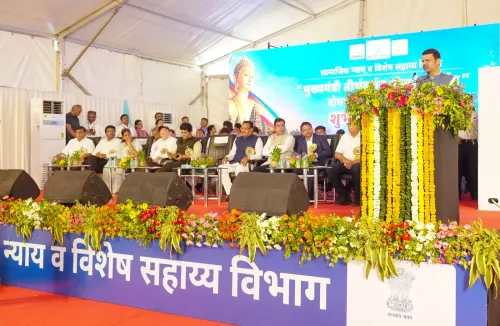
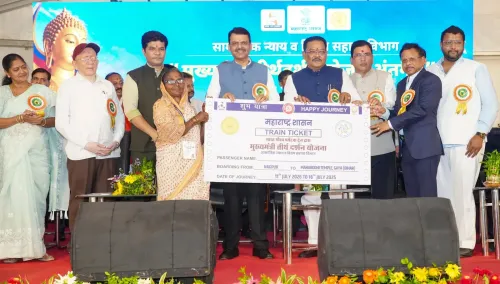
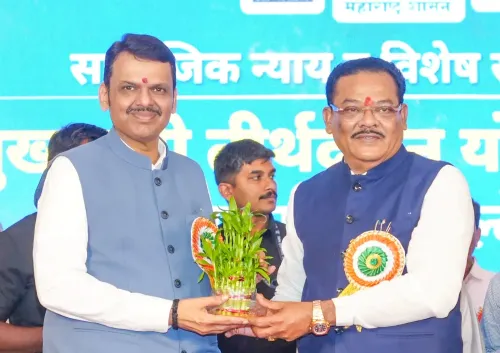
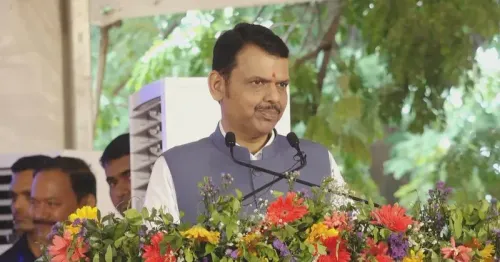
The Chief Minister's Office of Maharashtra announced on Saturday, 11 July 2026 that Chief Minister Devendra Fadnavis formally inaugurated the 'Bodhgaya Darshan Railway Yatra' (Bodh Gaya Pilgrimage Rail Journey) under the state's Mukhyamantri Tirtha Darshan Yojana, flagging off the special train from Nagpur.
Context
The inauguration was conducted haste (at the hands of) Chief Minister Fadnavis, underscoring the government's direct involvement in the scheme's rollout. The Bodhgaya Darshan Railway Yatra connects Maharashtra residents to Bodh Gaya in Bihar, the UNESCO World Heritage Site where Gautama Buddha is said to have attained enlightenment under the Bodhi tree and one of the most revered Buddhist pilgrimage destinations in the world.
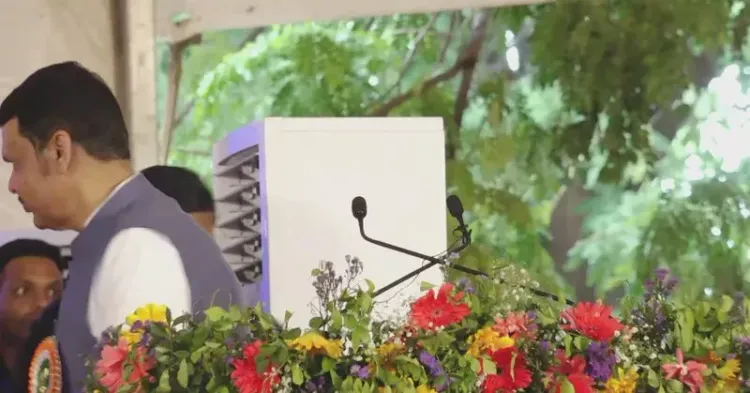
The event was live-streamed, signalling the government's intent to give the launch wide public visibility across the state.
Policy Backdrop
The Mukhyamantri Tirtha Darshan Yojana is a Maharashtra government initiative designed to provide subsidised, organised pilgrimage travel by rail and road to major religious sites for state residents, with a particular focus on accessibility for lower-income and elderly citizens. The scheme continues a long tradition of state-facilitated spiritual tourism in Maharashtra, with earlier governments having organised subsidised yatras to destinations such as Vaishno Devi and Rameshwaram.
Across India, state governments routinely operate such pilgrimage welfare schemes under social welfare budgets, using special trains to Hindu, Buddhist, Sikh, and other holy sites. Maharashtra's inclusion of Bodh Gaya as a destination reflects a deliberate outreach to Buddhist devotees and underlines the scheme's multi-faith character.
Stakeholders and Impact
The primary beneficiaries of the Bodhgaya Darshan Railway Yatra are Maharashtra pilgrims — particularly senior citizens and economically weaker sections — who might otherwise be unable to undertake long-distance religious travel independently. Buddhist communities across the state, including in Nagpur which has a significant Buddhist population following B.R. Ambedkar's historic 1956 mass conversion, stand to benefit directly from state-subsidised access to the holiest Buddhist site in India.
The use of a dedicated railway journey also supports rail connectivity between Maharashtra and Bihar, and provides an organised, safe travel framework for participants.
What's Next
Attention will now turn to the release of eligibility norms, seat capacity, and participation numbers for the Bodhgaya Darshan Railway Yatra, as well as any announcement of additional pilgrimage destinations to be added under the Mukhyamantri Tirtha Darshan Yojana. The government's willingness to expand the scheme's destination list will be a key indicator of its broader welfare ambitions and outreach to diverse religious communities across Maharashtra.
Point of View
Directly engaging Maharashtra's substantial Buddhist electorate — particularly in Vidarbha — where Ambedkarite identity and Buddhist heritage carry significant social weight. By anchoring the event in Nagpur and branding it under a welfare yojana, the Chief Minister signals continuity with state-sponsored social outreach while also reinforcing the government's multi-faith credentials. The choice of Bodh Gaya as a destination is notable: it connects Maharashtra's neo-Buddhist communities to their most sacred site through state resources, a gesture that carries both welfare and symbolic political resonance. The broader pattern of Indian states expanding subsidised pilgrimage networks suggests this launch may be the first of several destination additions under the scheme.
NationPress
9 Oct 2026
Frequently Asked Questions
What is the Mukhyamantri Tirtha Darshan Yojana in Maharashtra?
The Mukhyamantri Tirtha Darshan Yojana is a Maharashtra government scheme that provides subsidised, organised pilgrimage travel by rail and road to major religious sites for state residents, with a focus on making religious travel accessible to lower-income and elderly citizens.
Where does the Bodhgaya Darshan Railway Yatra go?
The Bodhgaya Darshan Railway Yatra travels from Maharashtra to Bodh Gaya in Bihar, a UNESCO World Heritage Site and the primary Buddhist pilgrimage destination where Gautama Buddha is believed to have attained enlightenment.
Who launched the Bodh Gaya rail pilgrimage train in Maharashtra?
Chief Minister Devendra Fadnavis launched the Bodhgaya Darshan Railway Yatra on 11 July 2026 at an event held in Nagpur.
Who can benefit from the Mukhyamantri Tirtha Darshan Yojana?
The scheme is designed for Maharashtra residents, particularly senior citizens and economically weaker sections, who wish to undertake organised pilgrimage travel to major religious sites at subsidised cost.
Why is Nagpur significant for the Bodh Gaya pilgrimage launch?
Nagpur is the winter capital of Maharashtra and a major hub in the Vidarbha region. It also has a large Buddhist population with deep roots in the Ambedkarite movement, making it a symbolically meaningful location to launch a Buddhist pilgrimage rail journey.