MP CM Mohan Yadav flags off Somnath Swabhiman Yatra from Bhopal
Synopsis
Madhya Pradesh CM Mohan Yadav's flag-off of the Somnath Swabhiman Yatra is more than a pilgrimage launch — it is a deliberate fusion of faith and political identity. With Ujjain's Mahakaleshwar now drawing 1.5 lakh devotees daily against a former annual count of 25,000-30,000, the BJP government is making religious tourism a centrepiece of its economic and cultural governance model.
Key Takeaways
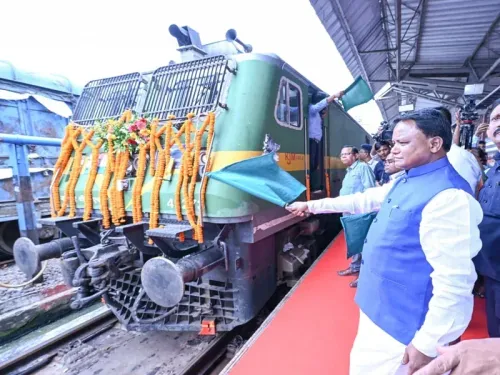
MP CM Mohan Yadav flagged off the Somnath Swabhiman Yatra from Rani Kamalapati Railway Station, Bhopal on 7 May 2025 .
A kalash filled with water from 21 major rivers of India was worshipped as a symbol of national unity and cultural integration.
Yadav invoked the historical reconstruction of Somnath temple as a symbol of India's civilisational resilience after invasions.
Ujjain's Mahakaleshwar corridor now draws nearly 1.5 lakh devotees daily , up from 25,000–30,000 annually earlier.
The CM linked the yatra to PM Narendra Modi's model of "heritage with development" , citing infrastructure and cultural initiatives running in parallel.
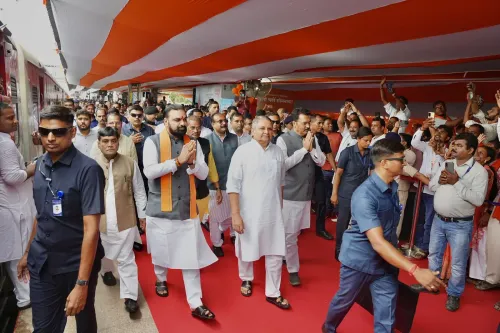
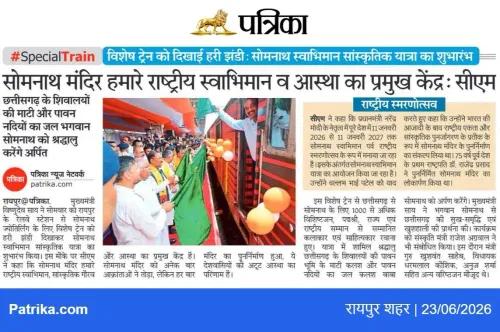
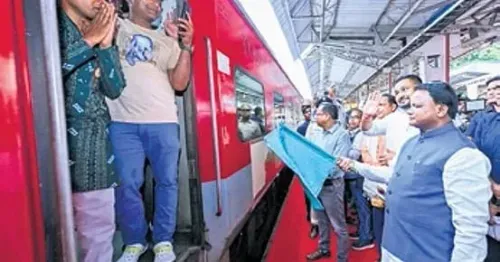
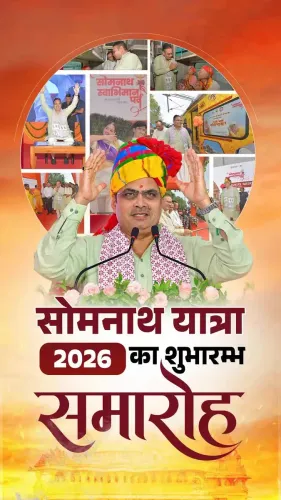
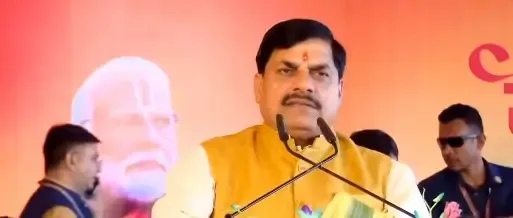
Madhya Pradesh Chief Minister Mohan Yadav on Thursday, 7 May 2025, flagged off the first batch of the 'Somnath Swabhiman Yatra' from Rani Kamalapati Railway Station in Bhopal, launching a state-sponsored pilgrimage train carrying hundreds of devotees to the Somnath Jyotirlinga in Gujarat. The event blended religious fervour with political messaging around cultural identity and national unity.
Ritual Worship and Symbolic Gesture
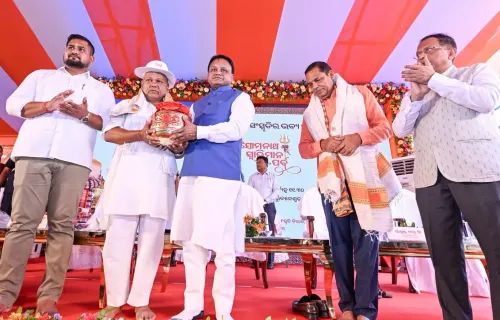
Ahead of the flag-off, Chief Minister Yadav performed ritual worship of a 'kalash' — a sacred vessel filled with water collected from 21 major rivers of India. He described the gesture as a symbol of unity, cultural integration, and shared heritage, drawing a direct line between India's river civilisations and its spiritual traditions.
Addressing the gathering, Yadav said: "Salutations to the eternal Jyotirlinga of Lord Somnath, who embodies national pride. The river Sindhu touches his feet, and the moon adorns his forehead." He called the Somnath temple not merely a place of worship but a symbol of India's civilisational identity and resilience.
Historical Context and Cultural Revival
The Chief Minister invoked historical references, noting that the Somnath shrine represents the revival of faith following centuries of invasions and cultural disruption. "Nearly a thousand years ago, India went through a difficult phase, but the reconstruction of Somnath restored our cultural pride and self-respect," he said. This narrative of civilisational resilience has been a recurring theme in the Bharatiya Janata Party (BJP)-led government's cultural outreach programmes.
Heritage With Development: The Governance Framework
Yadav linked the yatra to the broader governance philosophy of Prime Minister Narendra Modi, describing it as a model of "heritage with development" — where economic growth and cultural revival are pursued simultaneously. He cited investments in roads, railways, bridges, and industries alongside the promotion of Sanatan cultural values as evidence of this dual approach. He also pointed to a visible cultural awakening across the country, using the phrase "from Gangotri to Ganga Sagar" to describe its geographic sweep.
Religious Tourism and Economic Impact
Chief Minister Yadav highlighted the state government's push to develop pilgrimage destinations and improve connectivity, including through helicopter services. He cited the transformation of the Mahakaleshwar Jyotirlinga corridor in Ujjain as a benchmark success story. "Earlier, Ujjain used to receive around 25,000 to 30,000 visitors annually, but now nearly 1.5 lakh devotees are visiting every day," he said. This surge, he added, has directly benefited hotels, street vendors, transport operators, and small businesses in the region, making religious tourism a measurable economic driver.
Message to Devotees
Calling the pilgrimage a spiritually enriching experience, Yadav urged the travelling devotees to seek blessings for global peace and harmony. "Life is a journey, and the opportunity given by the divine should be used for the welfare of others," he said. The Somnath Swabhiman Yatra is expected to continue in subsequent batches, with the state government positioning it as a flagship initiative linking faith, tourism, and national identity.
Point of View
000-30,000 annual visitors to 1.5 lakh daily is extraordinary and warrants independent verification. If accurate, it represents a genuine governance dividend. But the broader 'heritage with development' framing also risks reducing sacred sites to tourism assets, a tension the government has not publicly addressed.
NationPress
23 Sept 2026
Frequently Asked Questions
What is the Somnath Swabhiman Yatra launched by MP CM Mohan Yadav?
The Somnath Swabhiman Yatra is a state-sponsored pilgrimage train flagged off by Madhya Pradesh Chief Minister Mohan Yadav on 7 May 2025 from Rani Kamalapati Railway Station in Bhopal. It carries hundreds of devotees from across the state to the Somnath Jyotirlinga temple in Gujarat.
What was the significance of the kalash ritual at the flag-off ceremony?
Chief Minister Yadav performed ritual worship of a kalash filled with water collected from 21 major rivers of India. He described it as a symbol of national unity, cultural integration, and shared heritage.
How has Ujjain's Mahakaleshwar temple changed under the MP government?
According to Chief Minister Yadav, Ujjain's Mahakaleshwar Jyotirlinga area now receives nearly 1.5 lakh devotees every day, compared to around 25,000 to 30,000 visitors annually in earlier years. The transformation has reportedly boosted local businesses including hotels, street vendors, and transport operators.
What is the 'heritage with development' model cited by CM Yadav?
The 'heritage with development' model, as described by Yadav, refers to the approach of simultaneously building infrastructure such as roads, railways, and bridges while promoting Sanatan cultural values and pilgrimage tourism. He attributed this governance philosophy to Prime Minister Narendra Modi's leadership.
Will more batches of the Somnath Swabhiman Yatra be organised?
The flag-off on 7 May 2025 covered the first batch of pilgrims. The state government is expected to organise subsequent batches, positioning the yatra as a flagship initiative linking faith, cultural revival, and religious tourism.