Assam CM Himanta Biswa Sarma pushes PNG expansion to slash LPG imports
Synopsis
Assam CM Himanta Biswa Sarma has tied a clutch of new PNG and CNG project inaugurations to a national argument: that expanding piped gas networks in resource-rich Assam can cut India's costly LPG import bill. With domestic refineries covering only 60–65% of LPG demand and over 1,400 Tezpur households already on PNG, the state is positioning itself as a testbed for India's energy self-reliance push.
Key Takeaways
Assam CM Himanta Biswa Sarma inaugurated multiple gas infrastructure projects on 16 June , including domestic PNG in Mangaldai and industrial PNG in Tezpur .
Domestic refineries currently meet 60–65% of India's LPG demand; PNG expansion is aimed at reducing the remaining import dependence.
A Tezpur industrial unit now consumes around 5,000 SCM of natural gas daily after switching from LPG, with demand expected to reach 6,000 SCM .
Over 1,400 households in Tezpur and more than 100 connections in Mangaldai are already under PNG coverage.
Sarma said Assam's underutilised natural gas reserves, if tapped through pipeline expansion, could also raise royalty revenues for the state.
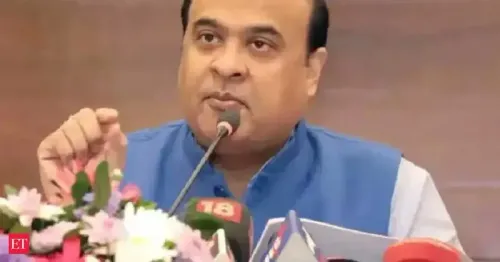
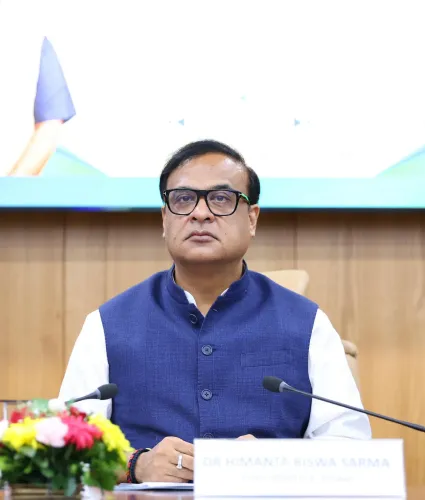
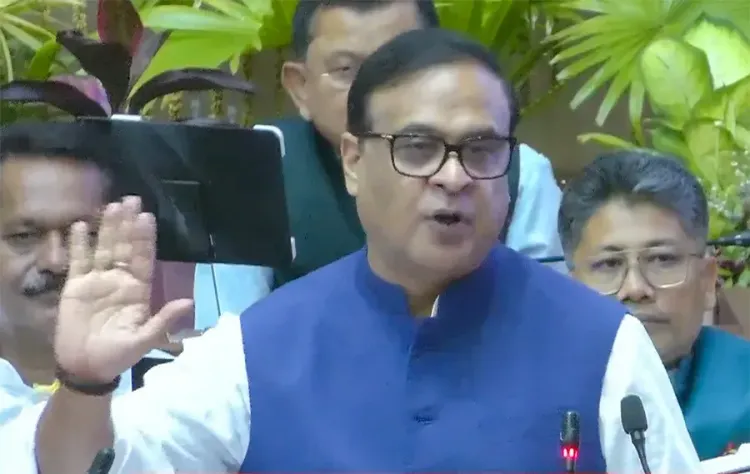
Assam Chief Minister Himanta Biswa Sarma on Tuesday, 16 June said wider adoption of Piped Natural Gas (PNG) across the state would reduce India's dependence on imported LPG, strengthen energy security, and enable better utilisation of Assam's substantial natural gas reserves. Sarma made the remarks after virtually inaugurating a clutch of gas infrastructure projects from Lok Sewa Bhawan in Dispur.
Projects Inaugurated
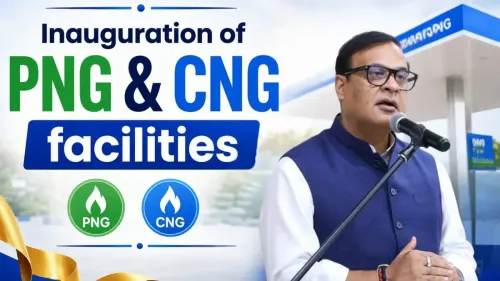
The Chief Minister launched domestic PNG supply in Mangaldai, a CNG Mother Station at Uhani Pathar, a CNG Daughter Booster Station at Goraimari, and industrial PNG supply in Tezpur. The projects are part of a broader push to expand city gas distribution infrastructure across the state.
India's LPG Import Dependence
Citing global energy uncertainties stemming from the ongoing Middle East conflict, Sarma noted that India has historically depended on imports for a sizeable share of its LPG needs. He said sustained efforts by the Centre have enabled domestic refineries to now meet nearly 60–65 per cent of the country's LPG demand. Increasing PNG penetration in homes and industries, he argued, would further reduce LPG consumption and conserve foreign exchange.
Tezpur Industrial Unit Sets a Benchmark
Sarma pointed to a Tezpur industrial unit as evidence of PNG's practical benefits. After switching from LPG to industrial PNG, the facility has substantially reduced its LPG usage and is currently consuming around 5,000 Standard Cubic Metres (SCM) of natural gas per day, with demand projected to climb to 6,000 SCM daily. This comes amid growing industry interest in cleaner and more cost-effective fuel alternatives.
Assam's Untapped Gas Reserves
The Chief Minister acknowledged that while Assam holds substantial natural gas reserves, inadequate pipeline infrastructure has constrained their utilisation. Expanding the PNG network, he said, would allow the state to harness its own resources more effectively and boost royalty revenues for the government — a dual economic and energy security benefit that mainstream coverage of the event has largely underplayed.
Progress on the Ground
Sarma reported that more than 100 household PNG connections have already been established in Mangaldai, with around 30 families receiving regular supply. In Tezpur, where the network became operational in March, over 1,400 households have been brought under PNG coverage. The Chief Minister urged gas distribution companies operating in Assam to accelerate connectivity expansion and called on citizens to adopt PNG and CNG as cleaner, more economical fuel alternatives.
Point of View
Framing Assam's gas infrastructure buildout as a national energy security lever gives local projects a Union-level justification. But the numbers reveal how much ground remains. Domestic refineries covering 60–65% of LPG demand means India still imports roughly a third of what it burns — and PNG household penetration in Assam remains in the hundreds, not millions. The Tezpur industrial switch is a useful proof of concept, but scaling it requires pipeline capital and last-mile connectivity that state-level inaugurations alone cannot guarantee. The royalty revenue angle is the most underreported incentive: Assam has a fiscal interest in monetising its own reserves that aligns neatly with the Centre's import-reduction goals — a convergence that could accelerate funding if the political will holds.
NationPress
23 Sept 2026
Frequently Asked Questions
What PNG and CNG projects did Assam CM Himanta Biswa Sarma inaugurate on 16 June?
Sarma virtually inaugurated domestic PNG supply in Mangaldai, a CNG Mother Station at Uhani Pathar, a CNG Daughter Booster Station at Goraimari, and industrial PNG supply in Tezpur on 16 June 2025. The projects are part of Assam's city gas distribution expansion drive.
How does PNG expansion help reduce India's LPG import dependence?
India's domestic refineries currently meet around 60–65% of the country's LPG demand, leaving a significant share dependent on imports. Wider PNG adoption in households and industries reduces LPG consumption, cutting the import bill and saving foreign exchange, according to Sarma.
How many households in Assam are currently connected to PNG?
Over 1,400 households in Tezpur have been brought under PNG coverage since the network became operational in March, while more than 100 connections have been provided in Mangaldai with around 30 families receiving regular supply.
What is the significance of Assam's natural gas reserves for this initiative?
Assam holds substantial natural gas reserves that have been underutilised due to limited pipeline infrastructure. Expanding the PNG network would allow the state to tap these reserves more effectively, reduce import dependence, and increase royalty revenues for the state government.
What did the Tezpur industrial unit demonstrate about switching to PNG?
A Tezpur industrial unit that switched from LPG to industrial PNG has substantially reduced its LPG consumption. It currently uses around 5,000 SCM of natural gas per day, with demand expected to rise to 6,000 SCM daily, illustrating the commercial viability of the switch.