Assam CM Relief Fund gets boost from Satras, Tea body
Synopsis
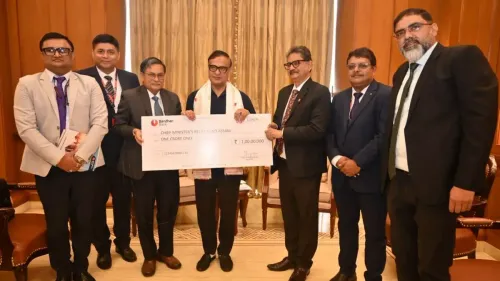
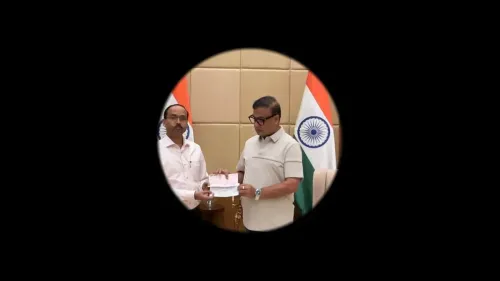
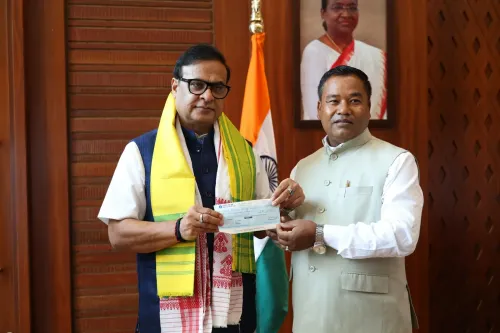
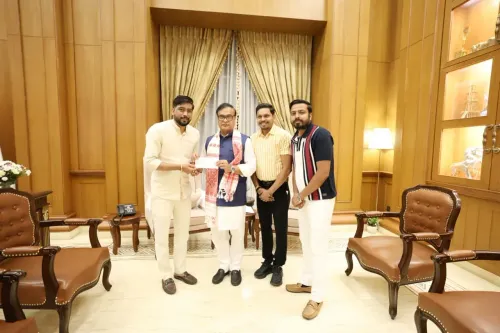
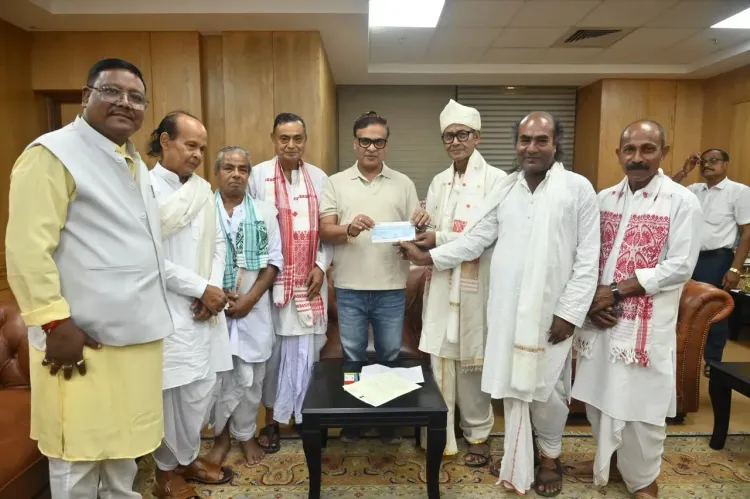
Barpeta Satra, Ganakkuchi Satra, the Tea Association of India and Dhekiakhowa Bornamghar contributed to Assam's Chief Minister's Relief Fund on 14 August 2026. CM Himanta Biswa Sarma thanked all donors, reflecting a long-standing pattern of community and industry solidarity during the state's recurring relief cycles.
Key Takeaways
Four organisations — Barpeta Satra, Ganakkuchi Satra, Tea Association of India, and Dhekiakhowa Bornamghar — donated to the Chief Minister's Relief Fund on 14 August 2026 .
CM Himanta Biswa Sarma expressed heartfelt gratitude to all donors on behalf of his office.
Barpeta Satra and Ganakkuchi Satra are historic Vaishnavite monasteries with established traditions of community welfare in Assam.
Dhekiakhowa Bornamghar in Jorhat district is a revered Vaishnavite Namghar with deep community ties.
The Tea Association of India represents the plantation sector, one of Assam's largest employers, signalling industry participation in state relief efforts.
Assam's CMRF regularly receives contributions from religious institutions and industry bodies, particularly during the annual monsoon flood season.
When ancient Vaishnavite monasteries and a century-old tea industry body sit at the same table to write cheques for flood relief, it says something about how deeply community solidarity runs in Assam. On Friday, 14 August 2026, the Chief Minister's Office of Assam announced that representatives from Barpeta Satra, Ganakkuchi Satra, the Tea Association of India, and Dhekiakhowa Bornamghar had stepped forward with contributions to the Chief Minister's Relief Fund (CMRF).
Chief Minister Dr. Himanta Biswa Sarma expressed 'heartfelt gratitude to all donors for their generosity and solidarity,' according to the official post from his office.
Satras and Namghars: Assam's oldest welfare networks answer the call
Barpeta Satra, one of the most historically significant Vaishnavite monasteries in Barpeta district, has long served as a moral and community anchor in the Brahmaputra valley. Ganakkuchi Satra joins it in this round of contributions, as does Dhekiakhowa Bornamghar — a revered Namghar and Vaishnavite site in Jorhat district with deep roots in community religious life. That these institutions channel resources toward state relief is not incidental; Assam's Satras and Namghars have historically doubled as community welfare hubs, mobilising during times of crisis in ways that formal bureaucracies often cannot.
Tea Association of India joins the solidarity chain
The participation of the Tea Association of India — the industry body representing tea growers and plantation companies across Assam — adds a corporate dimension to this round of giving. Assam's tea belt is both an economic engine and a community unto itself, employing hundreds of thousands of workers across the state's plantation districts. The association's contribution signals that the industry sees its fate as intertwined with the broader welfare of the state it operates in.
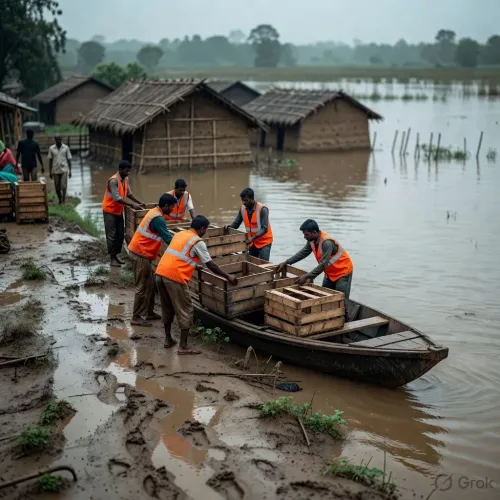
The Chief Minister's Relief Fund is a state-managed mechanism used to channel assistance during disasters, emergencies, and welfare crises. Assam, one of India's most flood-prone states, sees the fund activated regularly during the annual monsoon season, when the Brahmaputra and its tributaries inundate vast stretches of the valley. Contributions from religious institutions, industry bodies, and civil society have become a recurring feature of this cycle.
As the solidarity builds, the sharper question is how swiftly and transparently these funds reach the families who need them most.
Point of View
Such visible donor roll-calls serve a dual purpose: they legitimise the CMRF as a credible relief channel and build political goodwill across both the cultural-religious establishment and the plantation economy. The pattern also underscores Assam's structural vulnerability to annual flooding, which forces the state to routinely supplement its disaster budget with civil-society contributions. The real test of this solidarity, analysts would argue, lies not in the donations but in the speed and accountability of disbursement to affected communities.
NationPress
14 Aug 2026
Frequently Asked Questions
What is the Chief Minister's Relief Fund in Assam?
The Chief Minister's Relief Fund (CMRF) is a state-managed fund in Assam used to provide financial assistance during natural disasters, emergencies, and welfare crises. It receives contributions from individuals, organisations, and industry bodies, and is administered by the Chief Minister's Office.
Which organisations donated to the Assam CMRF in August 2026?
Barpeta Satra, Ganakkuchi Satra, the Tea Association of India, and Dhekiakhowa Bornamghar donated to the Assam Chief Minister's Relief Fund, as announced by the CMO on 14 August 2026.
What is Barpeta Satra and why is it significant?
Barpeta Satra is one of Assam's most historically important Vaishnavite monasteries, located in Barpeta district. It is a major centre of Neo-Vaishnavite culture and has long played a role in community welfare and social life in the Brahmaputra valley.
What is Dhekiakhowa Bornamghar?
Dhekiakhowa Bornamghar is a historic Namghar and Vaishnavite religious site located in Jorhat district, Assam. It is associated with the Ek Saran Nam Dharma tradition and holds significant cultural and community importance in the region.
Why does the Tea Association of India donate to Assam's relief fund?
The Tea Association of India, which represents tea growers and plantation companies largely based in Assam, contributes to state relief efforts as part of its community responsibility. Assam's plantation sector employs hundreds of thousands of workers whose welfare is directly affected by floods and other disasters.