Assam cabinet eases private university norms to boost higher education
Synopsis
Assam has quietly lowered the barriers for private universities — cutting land requirements, reducing endowment funds, and simplifying entry rules. For a state that has long watched its students migrate to institutions in other states, this is a structural bet on keeping talent and investment at home.
Key Takeaways
Assam Cabinet approved higher education reforms on 2 July 2025 in Guwahati .
Reforms rationalise minimum land requirements and lower the mandatory endowment fund for private universities.
CM Himanta Biswa Sarma said the state aims to partner with reputed private institutions to expand quality education access.
Changes are designed to reduce procedural hurdles and encourage private universities across different regions of Assam.
Reforms are aligned with the National Education Policy (NEP) goals of multidisciplinary education and industry collaboration.
The Assam government on 2 July 2025 approved a set of regulatory reforms aimed at drawing greater private investment into the state's higher education sector, rationalising land requirements, lowering endowment fund thresholds, and simplifying procedural norms for establishing private universities.
What the Cabinet Decided
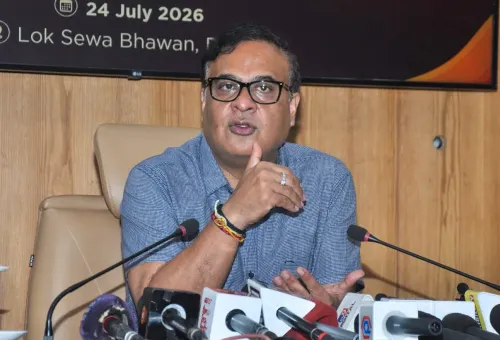
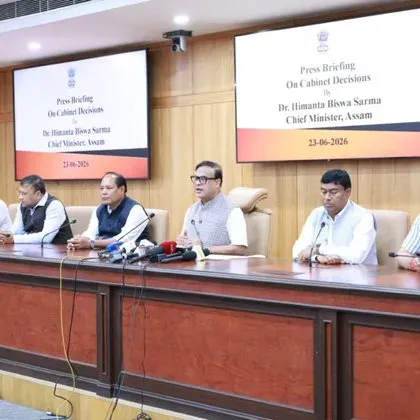
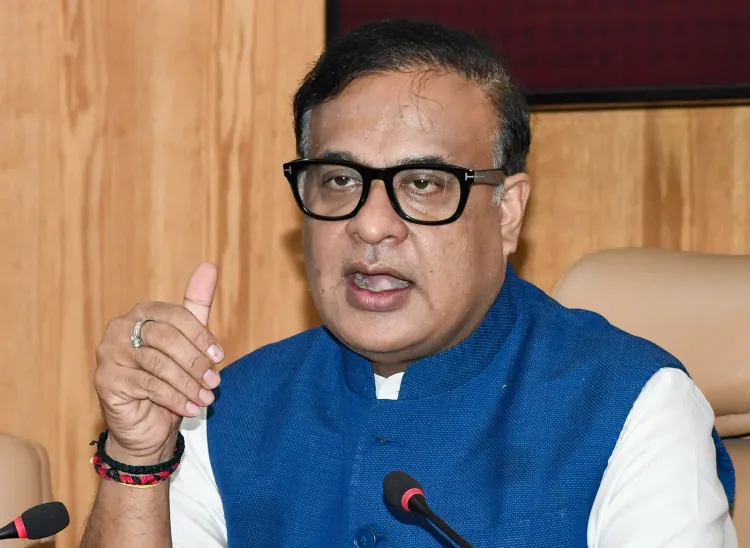
Chief Minister Himanta Biswa Sarma announced the changes after a cabinet meeting in Guwahati, stating the government intends to partner with reputed private institutions to expand access to quality higher education. 'To harness Assam's fullest potential we aim to expand access to quality higher education and are keen to partner with reputed private players,' Sarma said.
The three core changes include a rationalised minimum land requirement for new private universities, a reduced mandatory endowment fund, and streamlined entry procedures designed to cut procedural delays for prospective investors.
Why the Reforms Matter
Assam has expanded its public higher education infrastructure considerably in recent years, adding government universities, medical colleges, engineering institutes, and specialised institutions. However, officials argue that private participation is essential to broaden the range of academic programmes and research opportunities available to students within the state — and to stem the outflow of students seeking quality education elsewhere.
A senior government official noted the policy changes are designed to attract credible educational institutions while maintaining academic standards, and are expected to encourage new universities across different regions of the state.
Alignment With National Education Policy
The reforms are positioned as consistent with the objectives of the National Education Policy (NEP), which promotes multidisciplinary learning, research, and industry collaboration. Education experts have long argued that regulated private sector involvement can spur competition, drive innovation, and improve institutional capacity — provided quality assurance mechanisms remain robust.
Broader Economic Context
The cabinet decision fits within Assam's wider strategy of building a knowledge-based economy and strengthening human capital. State officials maintain that a skilled, educated workforce is central to attracting investment across sectors and meeting the demands of a rapidly changing economy.
With the regulatory barriers now lowered, the government hopes credible private players will step in to complement public investment and give Assam students a competitive range of options closer to home.
Point of View
But the real risk lies in what comes after the gate opens. Assam's move to reduce land and endowment requirements could attract genuine educational investors — or it could invite institutions more interested in real estate and fee revenue than academic outcomes. The reforms are explicitly framed around maintaining academic standards, but the mechanism for enforcing those standards has not been detailed publicly. India's experience with private university proliferation in states like Rajasthan and Chhattisgarh offers a cautionary tale: quantity expanded, quality did not always follow. Assam would do well to pair deregulation with a credible, independent quality assurance framework before the first new campuses break ground.
NationPress
1 Oct 2026
Frequently Asked Questions
What changes did the Assam Cabinet approve for private universities?
The Assam Cabinet rationalised the minimum land requirement for setting up private universities, lowered the mandatory endowment fund, and simplified procedural norms to reduce entry barriers for private investors. The changes were announced by Chief Minister Himanta Biswa Sarma on 2 July 2025.
Why is Assam easing norms for private universities?
The government aims to attract reputed private institutions to expand the range of quality higher education options within the state and reduce the outflow of students to institutions in other states. Officials also argue that private participation will complement existing public investment in education.
How do these reforms align with the National Education Policy?
The Assam government has stated that the reforms support NEP objectives including multidisciplinary education, research, and industry collaboration. The policy changes are intended to improve institutional capacity and encourage innovation in the higher education sector.
Who is affected by these higher education reforms in Assam?
The reforms primarily affect prospective private university investors and students in Assam. Students stand to gain from a wider range of academic programmes closer to home, while credible private educational institutions will face fewer regulatory and procedural hurdles when setting up in the state.
Will academic standards be compromised by the eased norms?
According to a senior government official, the policy changes are designed to attract credible institutions while maintaining academic standards. However, the specific quality assurance mechanisms that will govern new private universities have not been publicly detailed as of the announcement.