CM Office Assam: Flood Fight on Dikhow, Jhanji Embankments
Synopsis
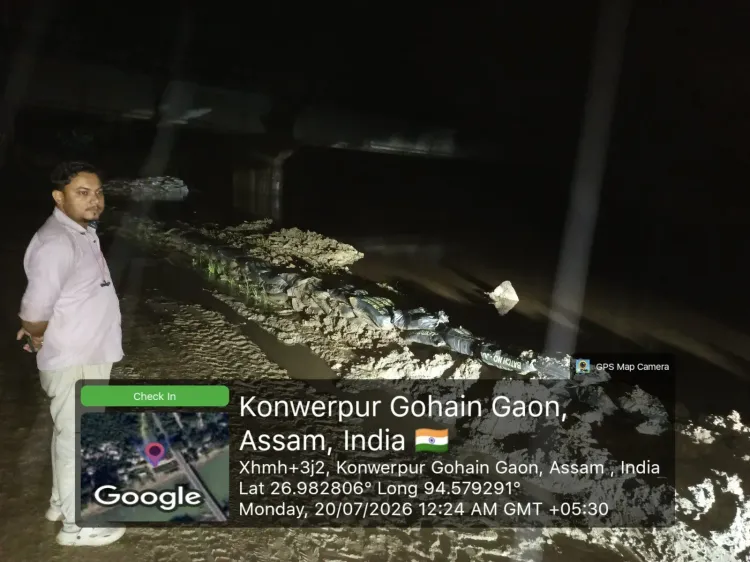
The Chief Minister's Office of Assam on 20 July 2026 confirmed that the Sivasagar Water Resources Division has deployed teams to reinforce vulnerable embankments along the Dikhow and Jhanji rivers as monsoon flood pressure intensifies in eastern Assam.
Key Takeaways
The Chief Minister's Office of Assam issued a flood-response update on 20 July 2026 confirming active embankment reinforcement operations.
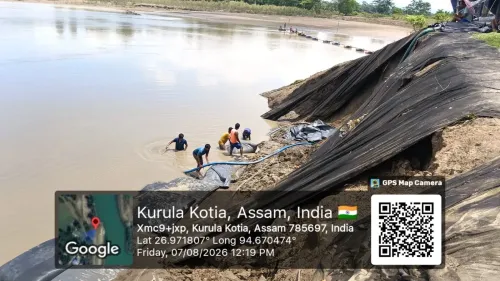
Flood-fighting works are ongoing along the Dikhow and Jhanji river embankments in Sivasagar district , eastern Assam.
The Sivasagar Water Resources Division , a field unit of the Assam Water Resources Department, is leading the on-ground operations.
Teams are specifically targeting 'vulnerable locations' along the embankments to prevent breaches during peak monsoon flow.
Assam has maintained an embankment-based flood-control system since the 1950s as its primary structural defence against Brahmaputra-system flooding.
Farming communities and residents of Sivasagar district are the most directly at-risk population if embankments are breached.
The Chief Minister's Office of Assam on Monday, 20 July 2026 confirmed that flood-fighting operations are actively under way along the embankments of the Dikhow and Jhanji rivers in Sivasagar district, with field teams deployed by the Sivasagar Water Resources Division to reinforce vulnerable stretches.
Context
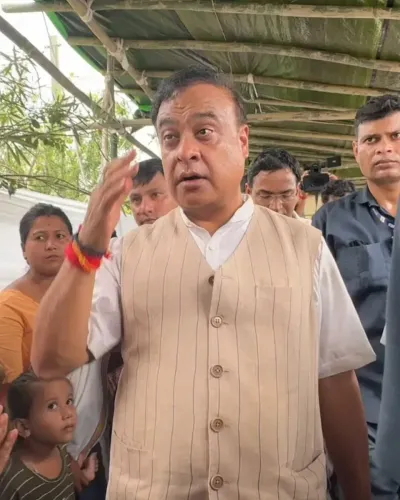
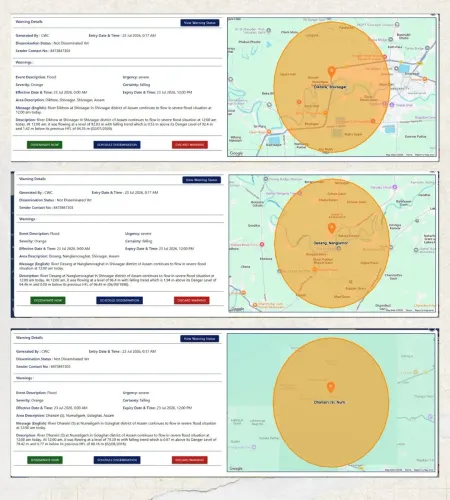
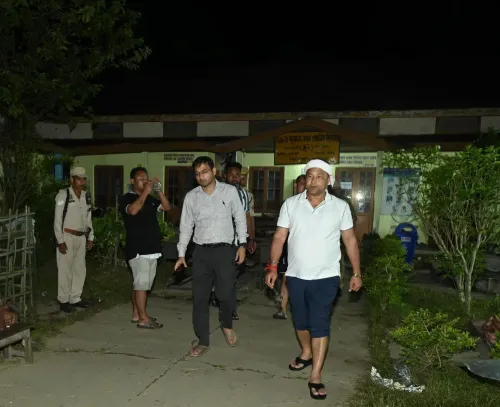
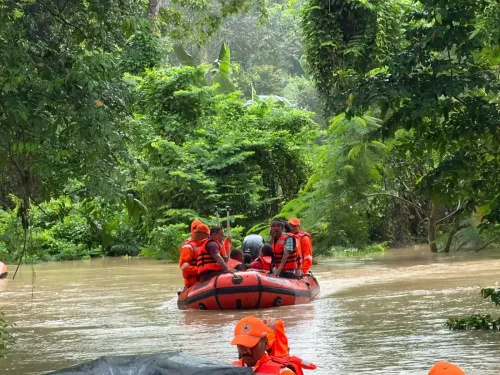
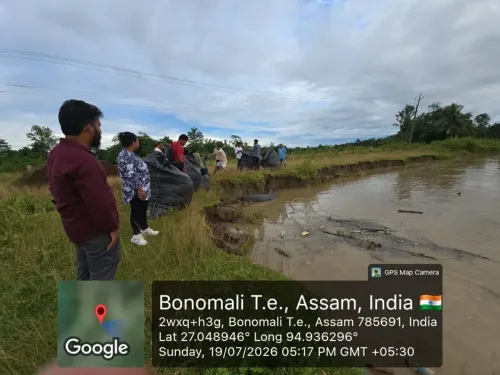
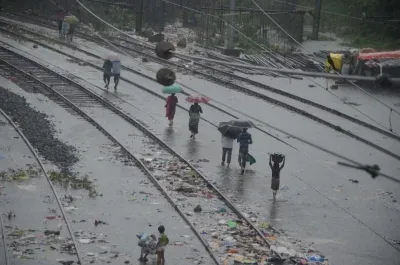
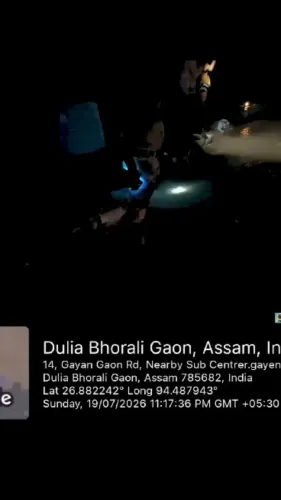
The official update states that 'flood fighting works continue along the embankments of the Dikhow and Jhanji rivers under the Sivasagar Water Resources Division, with teams working to reinforce vulnerable locations.' The post, accompanied by four images from the field, signals that the monsoon flood situation in eastern Assam has reached a stage requiring active structural intervention rather than preparatory measures alone.
Sivasagar, a historically significant district in eastern Assam, sits within the drainage basin of the Brahmaputra and its tributaries. The Dikhow river, a major Brahmaputra tributary flowing through the district, has a documented history of embankment breaches during peak monsoon months. The Jhanji river compounds seasonal flood pressure in the same zone.
Policy Backdrop
Assam's embankment network, built and expanded since the 1950s, remains the state's primary structural defence against annual Brahmaputra-system flooding. The Assam Water Resources Department, through its field units such as the Sivasagar Water Resources Division, is mandated to carry out both pre-monsoon strengthening and in-season emergency reinforcement of these earthen embankments.
Successive state administrations have treated embankment flood-fighting as a core disaster-risk reduction function, deploying teams each monsoon season as part of an established operational rhythm rather than as an exceptional response. The current mobilisation fits squarely within that long-standing institutional pattern.
Stakeholders and Impact
The most directly affected populations are the residents of Sivasagar district, including farming communities whose agricultural land and homesteads lie in the flood plains of the Dikhow and Jhanji rivers. A breach in any embankment along these rivers can inundate large tracts of cropland and displace thousands of households within hours.
The Sivasagar Water Resources Division teams on the ground bear immediate operational responsibility. Their work of identifying and reinforcing 'vulnerable locations' is critical to preventing the kind of sudden embankment failure that historically leads to large-scale displacement and crop loss in the district.
What's Next
Close attention will be on daily flood bulletins issued by the Assam State Disaster Management Authority, which track river levels, embankment status, and affected populations across the state. Any escalation in river levels on the Dikhow or Jhanji could prompt the deployment of additional machinery and personnel to Sivasagar.
Post-flood embankment restoration typically requires supplementary budget allocations from the state government, and the scale of such spending will depend on how well the current reinforcement works hold through the remainder of the 2026 monsoon season. The government's ability to contain breaches now will directly shape the relief and restoration burden in the months ahead.
Point of View
Likely aimed at reassuring flood-affected constituents in eastern Assam. The framing of the update as a routine operational report rather than an emergency alert reflects how successive Assam governments have normalised the annual flood-fighting cycle — a politically useful posture that deflects criticism of structural vulnerability. However, the very need for emergency reinforcement of 'vulnerable locations' each monsoon raises a deeper question about the long-term adequacy of earthen embankments as the state's primary flood-control infrastructure. Whether the current administration will translate this seasonal operational activity into a larger push for permanent flood-management solutions — such as river dredging or catchment-area interventions — remains the more consequential policy question to watch.
NationPress
20 Oct 2026
Frequently Asked Questions
Which rivers are affected by floods in Sivasagar district in 2026?
The Dikhow and Jhanji rivers in Sivasagar district are the focus of current flood-fighting operations, with embankments along both rivers being reinforced by the Sivasagar Water Resources Division.
What is the Sivasagar Water Resources Division?
The Sivasagar Water Resources Division is a field unit under the Assam Water Resources Department responsible for maintaining and repairing embankments and carrying out flood-control works in Sivasagar district.
Why does Assam flood every year?
Assam lies within the drainage basin of the Brahmaputra river and its numerous tributaries, which receive heavy monsoon rainfall and snowmelt. The flat floodplains and limited drainage capacity make annual flooding a predictable seasonal event.
What flood-fighting measures is the Assam government taking in July 2026?
The government has deployed Sivasagar Water Resources Division teams to reinforce vulnerable embankment stretches along the Dikhow and Jhanji rivers , as confirmed by the Chief Minister's Office on 20 July 2026 .
Where can I find the latest Assam flood updates?
The Assam State Disaster Management Authority issues daily flood bulletins covering river levels, embankment status, and affected districts. The Chief Minister's Office of Assam also posts real-time field updates on its official social media channels.