Assam Cabinet Hikes DA to 60%, 8 Lakh Set to Gain
Synopsis
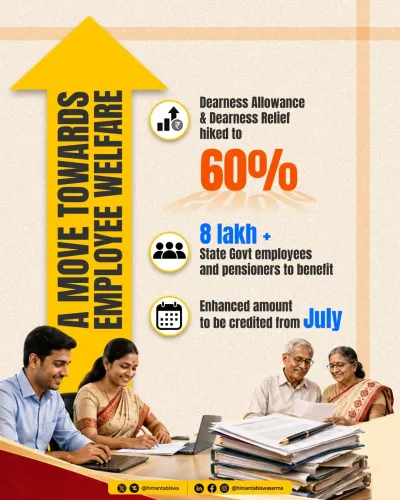
The Assam Cabinet has approved a Dearness Allowance hike to 60 per cent, extending the benefit to over eight lakh state government employees and pensioners. The decision, announced by the Chief Minister's Office on June 6, 2026, follows the established pattern of inflation-linked DA revisions under the 7th Pay Commission framework.
Key Takeaways
The Assam Cabinet has approved a Dearness Allowance hike to 60 per cent of basic pay.
Over eight lakh state government employees and pensioners will benefit from the revision.
The announcement was made by the Chief Minister's Office of Assam on June 6, 2026 .
DA revisions in Assam follow the 7th Central Pay Commission framework and are linked to the All India Consumer Price Index .
The hike will increase the state's wage and pension expenditure, with the full fiscal outlay to be reflected in budget documents.
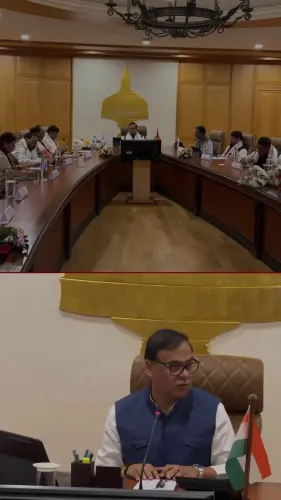
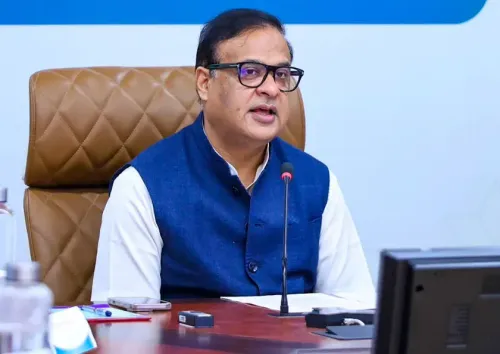
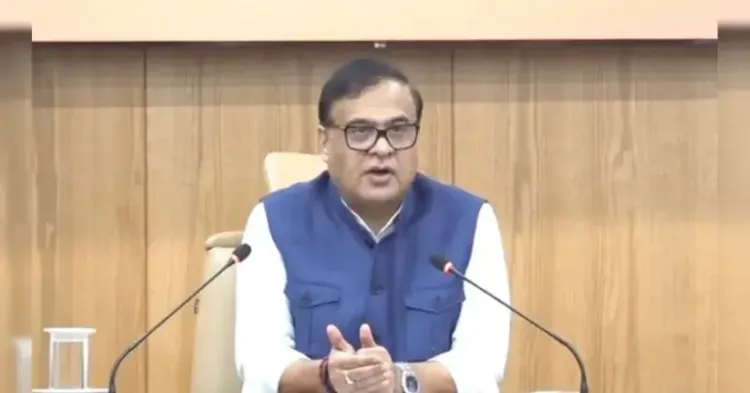
The Chief Minister's Office of Assam announced on Saturday, June 6, 2026 that the Assam Cabinet has approved a hike in Dearness Allowance (DA) to 60 per cent, a move that will benefit over eight lakh state government employees and pensioners.
Context
The cabinet decision raises the DA rate to 60 per cent of basic pay for all state government employees and pensioners. Dearness Allowance is a cost-of-living adjustment paid periodically by both central and state governments to neutralise the impact of inflation on fixed-income earners. The revision directly increases the monthly take-home pay and pension disbursements of over eight lakh beneficiaries across Assam.
Policy Backdrop
Indian states have followed a pattern of aligning their DA rates broadly with central government revisions, which are themselves calculated using the All India Consumer Price Index (AICPI). The framework for such revisions was standardised after the 7th Central Pay Commission, implemented in 2016, introduced a revised formula that states including Assam have since adopted. Periodic DA hikes are a routine instrument used by state cabinets to ensure that the real wages of government employees keep pace with retail inflation.
Assam maintains its own pay structure for its state workforce, and cabinet-level approval is required before any revision to DA rates takes effect. Such decisions carry immediate fiscal implications for the state exchequer, as the enhanced outgo is reflected in the salary and pension heads of the state budget from the date of implementation.
Stakeholders and Impact
The primary beneficiaries are Assam's serving state government employees and pensioners, a combined pool of over eight lakh individuals. For employees, the hike translates into a higher monthly salary, while pensioners will see an increase in their monthly pension disbursements. Both groups stand to gain greater purchasing power at a time when inflationary pressures on household budgets remain a concern across India.
The revision also has downstream effects on the state's fiscal position. A higher DA rate raises the government's aggregate wage and pension bill, meaning the Assam government will need to account for the additional expenditure in its budget planning. The exact incremental outlay will depend on the spread between the previous DA rate and the newly approved 60 per cent figure.
What's Next
Attention will now turn to state budget documents that will detail the additional fiscal outlay required to sustain the revised DA. The next revision cycle is expected to follow after fresh AICPI data is released by the central government, which typically triggers a review of DA rates by both the central and state governments. Other northeastern and larger Indian states may also face pressure to align their own DA rates if they lag behind Assam's revised benchmark of 60 per cent.
Point of View
Such announcements carry political weight ahead of any electoral cycle, as they directly benefit a large and organised constituency of government employees and pensioners. The move also signals Assam's intent to remain competitive with central government DA rates, a benchmark that state employees' associations consistently use in wage negotiations. Broader fiscal sustainability will hinge on how the state absorbs the enhanced outgo without crowding out capital expenditure commitments.
NationPress
22 Sept 2026
Frequently Asked Questions
What is the new Dearness Allowance rate for Assam government employees?
The Assam Cabinet has approved a revised Dearness Allowance rate of 60 per cent of basic pay for state government employees and pensioners.
How many people will benefit from the Assam DA hike?
Over eight lakh state government employees and pensioners in Assam are set to benefit from the cabinet-approved DA revision.
When did the Assam Cabinet approve the DA hike?
The Chief Minister's Office of Assam announced the cabinet decision on Saturday, June 6, 2026 .
What is Dearness Allowance and how is it calculated in India?
Dearness Allowance is a cost-of-living supplement paid to government employees and pensioners to offset inflation. It is calculated as a percentage of basic pay using the All India Consumer Price Index (AICPI) and is revised periodically by both central and state governments.
Does the Assam DA hike affect pensioners as well?
Yes, the revised 60 per cent DA rate applies to both serving state government employees and pensioners in Assam , increasing their monthly disbursements accordingly.