Assam Cabinet revises DA to 60%, boosts Grade IV school staff promotions
Synopsis
The Assam Cabinet's 5 June 2026 decisions revise Dearness Allowance and Dearness Relief to 60% for state employees and strengthen promotion opportunities for Grade IV staff in provincialised schools, the Chief Minister's Office announced on 9 June 2026.
Key Takeaways
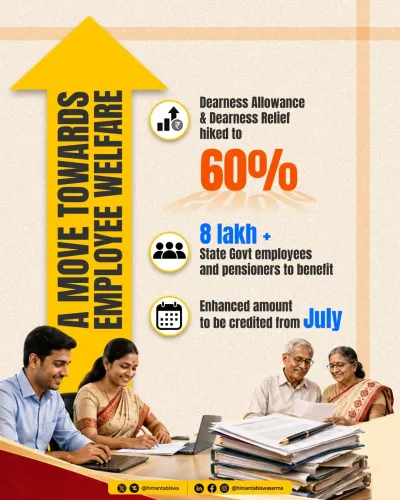
The Assam Cabinet approved a 60% DA/DR revision in its 5 June 2026 meeting, benefiting serving employees and pensioners.
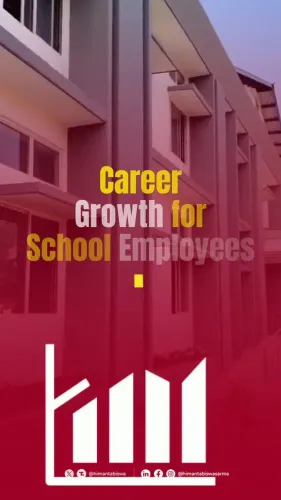
Grade IV staff in provincialised schools will see strengthened promotion opportunities under the same set of decisions.
Himanta Biswa Sarma is credited with the welfare push, which the CMO frames as part of a broader administrative efficiency drive.
Assam has a standing practice of aligning state DA rates with central government revisions; this revision continues that pattern.
Formal government orders on DA arrears disbursement and promotion modalities are the next expected step from the education and finance departments.
The decisions primarily benefit Grade IV employees — the lowest-paid rung in the state school system — and their pensioner counterparts.
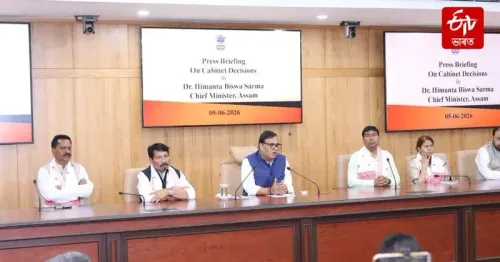
The Chief Minister's Office of Assam announced on Tuesday, 9 June 2026 that the Assam Cabinet's decisions of 5 June 2026 include a 60% Dearness Allowance and Dearness Relief (DA/DR) revision for state employees and a strengthening of promotion opportunities for Grade IV staff in provincialised schools.
Context
The cabinet communiqué, shared by the official CMO account, states that the revision covers both serving employees and pensioners through a simultaneous DA and DR adjustment. The announcement also highlights expanded promotion avenues for Grade IV staff — the lowest rung of the state's school employee hierarchy — in institutions brought under direct state control through Assam's successive provincialisation acts.
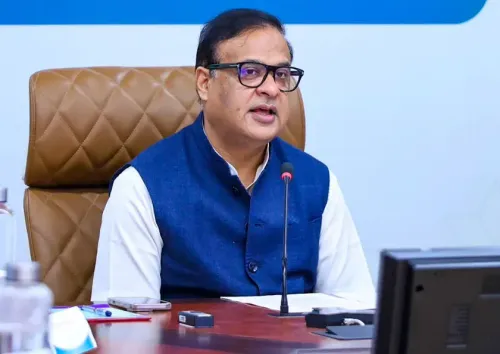
The CMO credited the decisions to the leadership of Chief Minister Dr. Himanta Biswa Sarma, describing the government's commitment to 'improving employee welfare and building a more efficient and responsive administration.'
Policy Backdrop
Assam has a long-standing practice of periodically aligning its DA rates with revisions at the central government level, with multiple adjustments recorded over the past decade. The provincialised school system — covering thousands of teaching and non-teaching staff absorbed into the state payroll — has been a recurring focus of service-condition reforms under successive administrations.
Since Chief Minister Sarma assumed office in May 2021, the state has paired allowance revisions with efforts to streamline promotions and reduce vacancies, particularly in the education sector. This pattern mirrors broader administrative reform drives seen across several Indian states seeking to modernise public service structures without large-scale recruitment overhauls.
Stakeholders and Impact
The primary beneficiaries are Grade IV employees — peons, attendants, and support staff — working in provincialised schools across Assam, along with pensioners who will receive the enhanced Dearness Relief. For many of these workers, DA constitutes a significant share of effective monthly pay, making the revision a material improvement in take-home income.
Promotion pathways for Grade IV staff have historically been limited and slow-moving. The cabinet's decision to strengthen these opportunities signals a structural shift in how the state manages career progression for its lowest-paid school employees, potentially reducing stagnation that has long been a source of grievance in the cadre.
What's Next
The immediate focus will be on the issuance of formal government orders detailing the DA arrears disbursement schedule and the specific modalities of the revised promotion policy. Education department notifications are expected to follow the cabinet approval, setting out eligibility criteria and timelines for Grade IV staff seeking advancement.
Broader administrative watchers will track whether the promotion reforms translate into measurable vacancy reductions in provincialised schools — a metric the Sarma administration has emphasised as a marker of governance efficiency. The decisions, if implemented swiftly, could set a benchmark for similar revisions in other state government departments.
Point of View
Who are numerically large and geographically dispersed across Assam's provincialised school network, maximises the political and administrative reach of a single cabinet sitting. The move also keeps Assam in step with central DA revision norms, reducing the risk of employee agitation that has disrupted other state governments. Whether the promotion reform produces real career mobility — or remains an aspirational policy — will depend entirely on the speed and specificity of the follow-up departmental orders.
NationPress
24 Oct 2026
Frequently Asked Questions
What did the Assam Cabinet decide on 5 June 2026 for government employees?
The Assam Cabinet approved a 60% Dearness Allowance and Dearness Relief revision for state employees and pensioners, and also decided to strengthen promotion opportunities for Grade IV staff in provincialised schools.
Who are Grade IV employees in Assam's provincialised schools?
Grade IV employees are the support and ancillary staff — such as peons and attendants — in schools that have been brought under direct state government control through Assam's provincialisation acts. They form the lowest pay-grade category in these institutions.
What is the DA percentage for Assam government employees after the June 2026 revision?
Following the 5 June 2026 cabinet decision, the Dearness Allowance for Assam government employees stands at 60% . The same rate applies as Dearness Relief for state pensioners.
How does Assam decide its Dearness Allowance rates?
Assam periodically aligns its DA rates with revisions made by the central government, a practice followed across multiple administrations. The state cabinet formally approves each revision before it takes effect.
What happens next after the Assam Cabinet's DA and promotion decisions?
The finance and education departments are expected to issue formal government orders specifying the DA arrears disbursement schedule and the eligibility criteria and timelines for Grade IV staff promotions in provincialised schools.