Assam CM Office launches ETRS for Forest Dept transfers
Synopsis
Assam's Chief Minister's Office has introduced the online Employee Transfer Randomisation System (ETRS) in the Forest Department, using algorithmic randomisation to eliminate political discretion from transfer postings and advance the state's digital governance agenda.
Key Takeaways
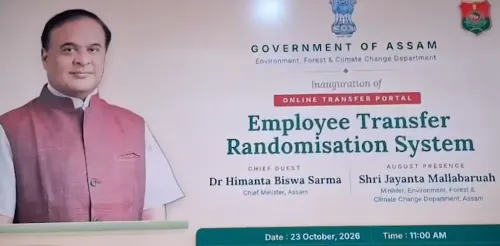
The Chief Minister's Office of Assam announced the Employee Transfer Randomisation System (ETRS) on 24 October 2026 .
ETRS is an online platform that randomises transfer decisions to reduce discretion and improve fairness in postings.
The system is currently operational in the Forest Department of Assam , which oversees forests, wildlife and biodiversity management.
The reform continues Assam's pattern of applying digital tools to governance, following earlier e-governance initiatives in recruitment under the Digital India framework.
Several Indian states have adopted similar randomised transfer systems over the past decade to curb political interference in postings.
Potential expansion of ETRS to other departments and publication of performance metrics remain the key developments to watch.
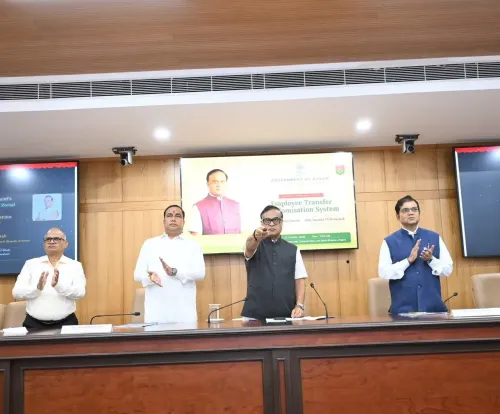
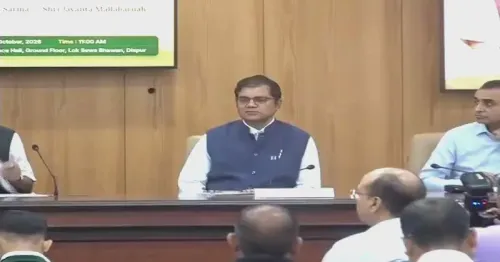
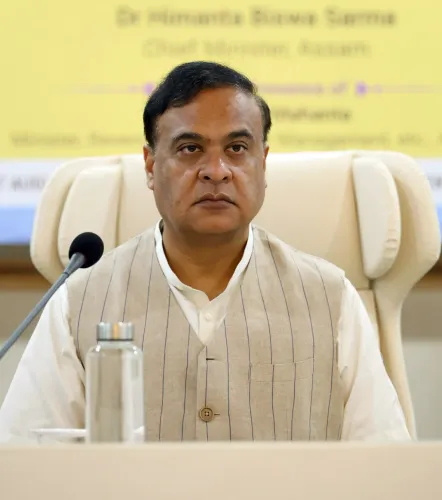
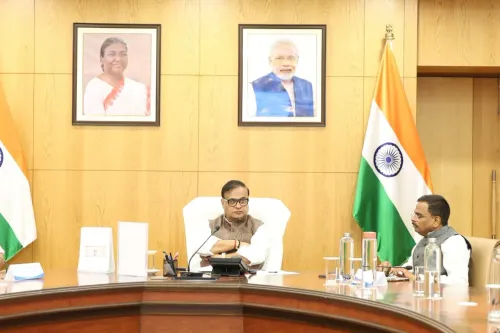
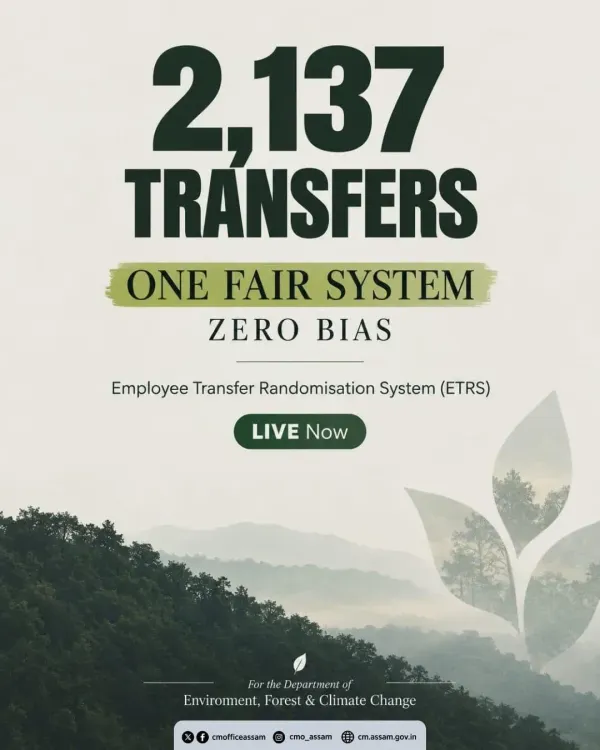
Assam is taking dead aim at one of state governance's oldest pressure points — the politically charged transfer posting — by rolling out a digital randomisation system that removes human discretion from the equation. The Chief Minister's Office of Assam announced on Saturday, 24 October 2026 that the online Employee Transfer Randomisation System (ETRS) is now operational in the Forest Department, promising greater fairness and transparency in how officials are posted across the state.
What ETRS does — and why it matters for Forest officials
The ETRS is an online platform designed to randomise employee transfers, stripping out the scope for political or bureaucratic string-pulling that has historically made postings a source of corruption and grievance. For the Forest Department of Assam — which manages the state's forests, wildlife corridors and biodiversity reserves — transfer decisions can carry real consequences: the right officer in the right posting directly shapes enforcement on the ground.
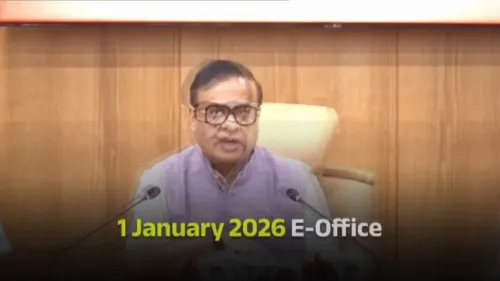
By digitising and randomising the process, the system aims to make outcomes predictable, auditable and insulated from lobbying. The CMO's statement framed ETRS as the latest in a sequence running 'from recruitment to transfers,' signalling that the reform logic applied earlier to hiring is now being extended to service management.
Assam's digital governance push — and how ETRS fits in
Assam under Chief Minister Himanta Biswa Sarma has pursued e-governance reforms as a recurring theme, building on the Digital India framework that has driven state-level digitisation since 2015. Earlier interventions targeted recruitment processes; ETRS extends that momentum into the transfer cycle, a domain where other Indian states have experimented with randomisation in the past decade to reduce corruption and political interference in postings.
The broader pattern is clear: when transfers are discretionary, they become a patronage lever. When they are algorithmic and auditable, that lever disappears. Assam's move into the Forest Department — a cadre with ecologically sensitive postings — signals an intent to stress-test the system in a high-stakes environment before any wider rollout.
What Forest Department employees and governance watchers will track next
The immediate constituency is Forest Department employees themselves, who stand to benefit from a system where a fair algorithm — not a phone call — determines their next posting. The longer question is whether ETRS expands to other departments and whether the government publishes performance metrics or employee feedback to validate the reform's impact.
A randomisation system is only as credible as the data it runs on and the transparency it generates around outcomes. The architecture is in place; the proof will arrive in the numbers.
Point of View
So the political-integrity argument and the conservation argument converge. The real test of this reform's durability will be whether it survives the first set of postings that displease powerful incumbents, and whether audit trails are made publicly accessible. If ETRS is later extended to larger cadres such as police or revenue, it would represent a meaningful shift in how Assam manages its administrative state.
NationPress
24 Oct 2026
Frequently Asked Questions
What is the Employee Transfer Randomisation System (ETRS) in Assam?
ETRS is an online platform introduced by the Assam government that uses randomisation to determine employee transfers, removing human discretion and reducing the scope for political interference in posting decisions.
Which department is ETRS currently applied to in Assam?
The system is currently operational in the Forest Department of Assam , which manages the state's forests, wildlife and biodiversity conservation.
Why is a randomised transfer system important for governance?
Randomised transfer systems make posting outcomes algorithm-driven and auditable rather than discretionary, directly reducing opportunities for corruption, lobbying and political patronage in state administration.
Has any other Indian state implemented a similar transfer randomisation system?
Yes. Several Indian states have introduced randomised or online transfer systems over the past decade to curb corruption and limit political interference in employee postings.
Will ETRS be extended to other Assam government departments?
The CMO has not announced a specific timeline, but the broader direction of Assam's digital governance reforms suggests ETRS expansion to additional departments is a likely next step to watch.