Assam-Meghalaya hold talks in Guwahati to restore peace after Shillong violence
Synopsis
Days after vehicles carrying Assam tourists were allegedly attacked in Shillong during a KSU black-flag protest, the chief ministers of Assam and Meghalaya met in Guwahati and pledged firm action against perpetrators. The talks signal both states are moving quickly to contain a flare-up that threatens one of the Northeast's most-travelled inter-state corridors.
Key Takeaways
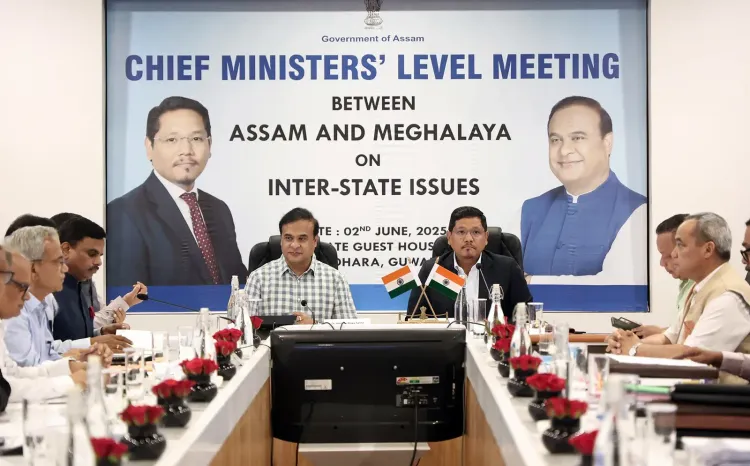
Assam and Meghalaya held a high-level meeting in Guwahati on 23 August to address violence that erupted in Shillong on 19 August .
Vehicles carrying tourists from Assam were allegedly attacked during a Khasi Students' Union (KSU) black-flag protest.
Meghalaya CM Conrad K.
Sangma pledged firm legal action against those responsible and prioritised restoration of normalcy.
Assam CM Himanta Biswa Sarma thanked Sangma for assurances on the safety of Assam residents travelling through Meghalaya.
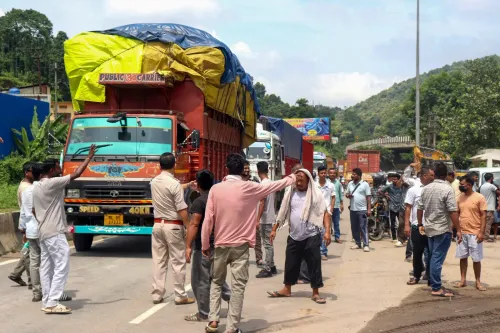
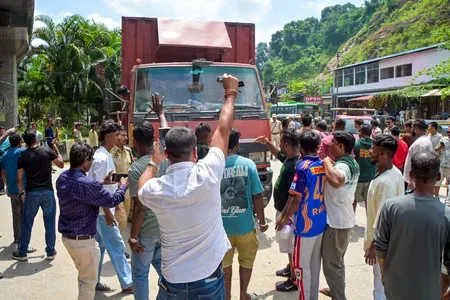
Subsequent protests at Jorabat on the Assam side further heightened inter-state tensions before the talks.
Both governments have committed to sustained coordination to protect people-to-people and economic ties between the two states.
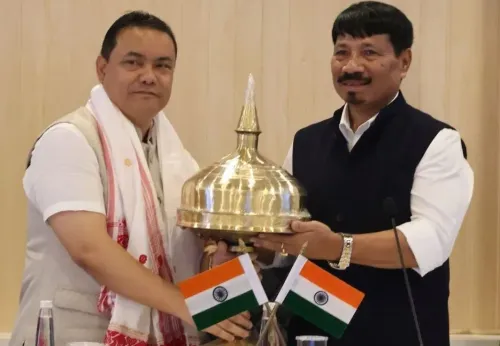
The governments of Assam and Meghalaya held a high-level meeting in Guwahati on Saturday, 23 August to chart a path toward restoring normalcy following violence in Shillong that disrupted the movement of people and vehicles between the two states. The talks came in the wake of incidents on 19 August, when vehicles carrying tourists from Assam were allegedly attacked during a black-flag protest by the Khasi Students' Union (KSU).
What the Meeting Covered
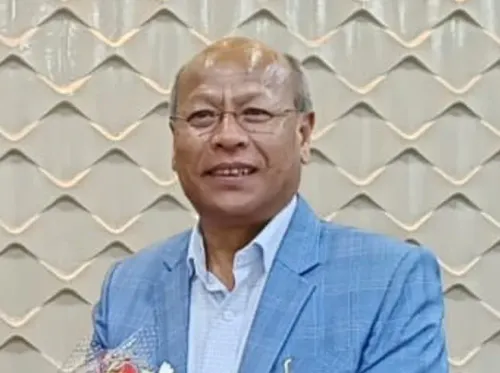
Meghalaya Chief Minister Conrad K. Sangma said the discussions focused on the immediate restoration of normalcy following what he described as the 'unfortunate incidents' in Shillong, as well as ensuring the safety of citizens and the smooth movement of vehicles across state lines. The meeting brought together Assam Border Protection and Development Minister Atul Bora, Meghalaya Deputy Chief Minister Sniawbhalang Dhar, senior officials, and other stakeholders from both states.
The agenda also included measures to strengthen security, address injuries and property damage arising from the violence, and facilitate the full restoration of normal traffic between the two states.
What the Chief Ministers Said
'Our priority is to restore peace and normalcy at the earliest and ensure the safety of our citizens,' CM Sangma said in a post on social media platform X. He made clear that those found responsible for the violence and disruption would be identified and dealt with firmly in accordance with the law.
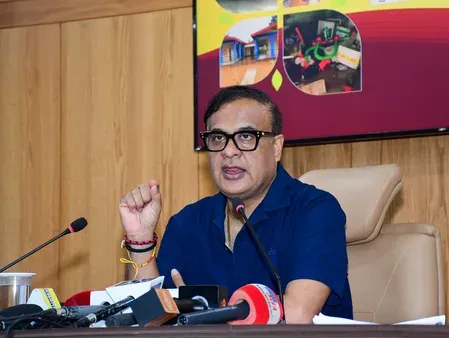
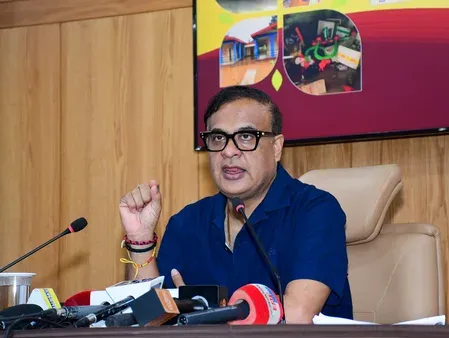
Assam Chief Minister Himanta Biswa Sarma, responding to Sangma's post, thanked the Meghalaya Chief Minister for his cooperation and for providing clear assurances on the safety of people from Assam. 'Assam and Meghalaya share an enduring bond. With continued coordination and firm action, I am confident that normalcy will be restored at the earliest,' CM Sarma said.
Background: The Shillong Incidents
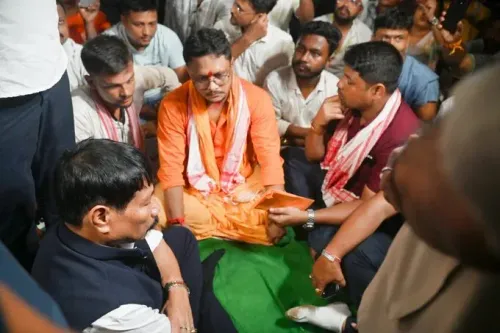
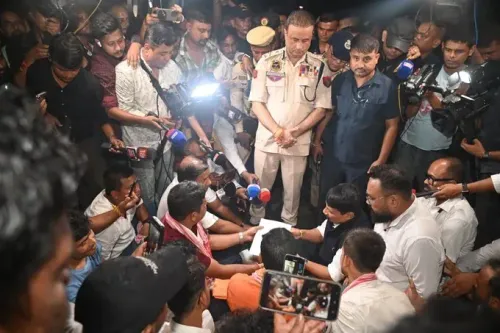
Tensions escalated following the alleged attacks on 19 August in Shillong, when tourist vehicles from Assam were reportedly targeted during a KSU black-flag demonstration. The incidents triggered widespread concern over the safety of travellers moving between the two states. Subsequent protests at Jorabat on the Assam side further heightened inter-state tensions, prompting both governments to step up containment efforts.
Notably, this is not the first time the Assam-Meghalaya border corridor has witnessed friction — the two states have a long-standing boundary dispute that has periodically strained relations, though the current episode centres on civil unrest rather than territorial claims.
What Both Sides Have Pledged
Both governments have underlined that firm action against those responsible for the violence, combined with sustained administrative coordination, will be essential to preventing further escalation. CM Sangma also stressed that both states remain committed to protecting the strong social and economic bonds shared by their people.
The latest assurances signal a concerted effort by both administrations to ensure that the recent incidents do not erode the longstanding people-to-people ties between Assam and Meghalaya. How swiftly security is restored on the ground — and whether those responsible are held accountable — will determine whether confidence among travellers and residents returns in the near term.
Point of View
And episodes like this tend to exploit that ambiguity. Without a credible accountability process and some engagement with the underlying concerns driving the KSU protest, the current diplomatic warmth risks being a patch rather than a repair.
NationPress
23 Aug 2026
Frequently Asked Questions
What triggered the Assam-Meghalaya tensions in August 2025?
Tensions were triggered on 19 August when vehicles carrying tourists from Assam were allegedly attacked in Shillong during a black-flag protest by the Khasi Students' Union (KSU). The incidents raised concerns over traveller safety and led to retaliatory protests at Jorabat on the Assam side.
What was decided at the Guwahati meeting on 23 August?
The high-level meeting between representatives of both state governments focused on restoring normalcy, strengthening security, addressing damage and injuries from the violence, and ensuring smooth inter-state movement. Both sides pledged firm legal action against those responsible.
What did Meghalaya CM Conrad K. Sangma say about the violence?
CM Sangma described the incidents as 'unfortunate' and stated that restoring peace and citizen safety was the immediate priority. He also made clear that those responsible for violence and disruption would be identified and dealt with firmly under the law.
How did Assam CM Himanta Biswa Sarma respond?
CM Sarma thanked Sangma for his cooperation and for providing clear assurances on the safety of people from Assam. He expressed confidence that normalcy would be restored through continued coordination and firm action.
Who is the Khasi Students' Union (KSU)?
The Khasi Students' Union is a prominent student organisation in Meghalaya that represents the interests of the Khasi community. It has historically been vocal on issues of land rights, migration, and identity in the state, and organised the black-flag protest during which the alleged attacks occurred.