Assam Minister flags 'anti-development forces' as Japan PM Guwahati visit looks unlikely
Synopsis
Assam Minister Pijush Hazarika has gone on the offensive after reports emerged that Japanese PM Sanae Takaichi's visit to Guwahati — which would have been a landmark diplomatic moment for the Northeast — is now likely to be shifted entirely to New Delhi. His 'anti-development forces' allegation signals that the venue change is already becoming a political flashpoint in the state.
Key Takeaways
Assam Minister Pijush Hazarika on 23 June alleged 'anti-development forces' are trying to disrupt the state's economic progress.
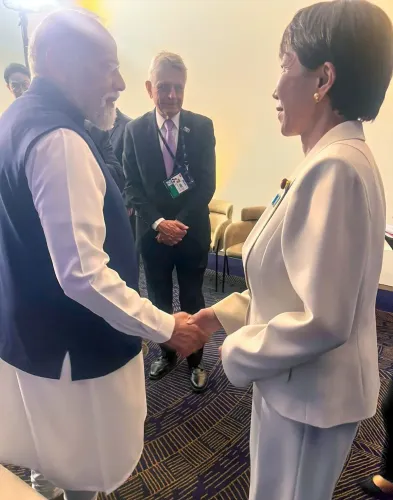
Japanese PM Sanae Takaichi's proposed visit to Guwahati from 1–3 July is reportedly unlikely to materialise, with the India-Japan summit expected to shift to New Delhi .
Hazarika attributed the venue change to logistical constraints, rejecting suggestions it reflects poorly on Assam's hosting capacity.
Assam has been courting Japanese investment in semiconductors , electronics manufacturing , infrastructure , and advanced technology .
The Minister warned that disruptions to investor confidence would hurt the people of Assam, not political leaders.
Assam Minister Pijush Hazarika on Tuesday, 23 June alleged that certain 'anti-development forces' were actively working to destabilise the state and damage its investment image, his remarks coming on the heels of reports that Japanese Prime Minister Sanae Takaichi's proposed visit to Guwahati next month is unlikely to proceed as originally planned.
What the Minister Said
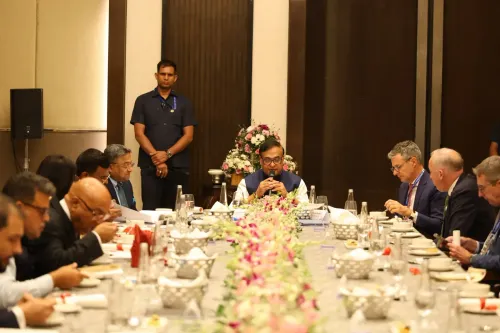
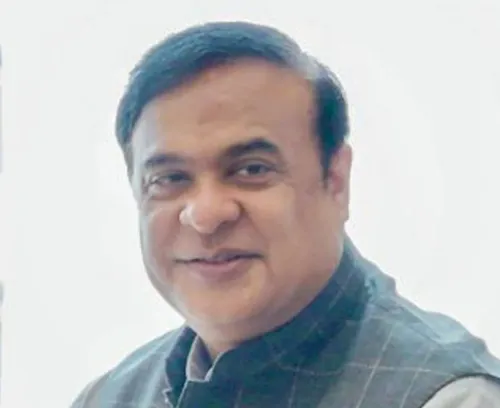
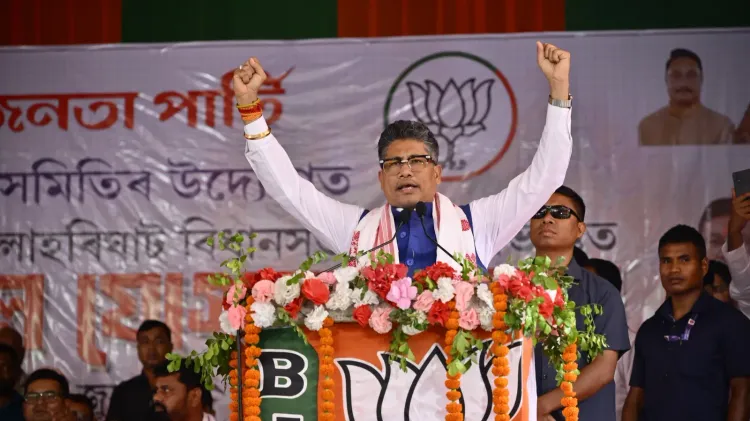
Speaking to reporters in Guwahati, Hazarika said specific individuals and groups were uncomfortable with Assam's accelerating economic momentum and were working to block investment flows and development initiatives. 'Assam has witnessed unprecedented development in recent years. However, there are some people who do not want to see the state prosper. They are trying to create disturbances and spread negativity, which ultimately harms Assam and its people,' he said.
The Minister was direct in pushing back against what he described as attempts to politicise the venue change. He maintained that the shift was driven by logistical considerations and should not be read as a comment on Assam's capacity to host high-profile international events.
The Japan Summit Shift
Reports on Tuesday indicated that Prime Minister Takaichi's 1–3 July visit to India is now expected to remain confined to New Delhi, owing to scheduling and logistical constraints. Earlier discussions had explored the possibility of holding the annual India-Japan summit in Guwahati — a move that would have been a significant diplomatic milestone for the northeastern state.
The summit, whenever it convenes, is expected to cover trade, investment, infrastructure, economic security, and broader strategic cooperation between the two countries.
Assam's Investment Pitch
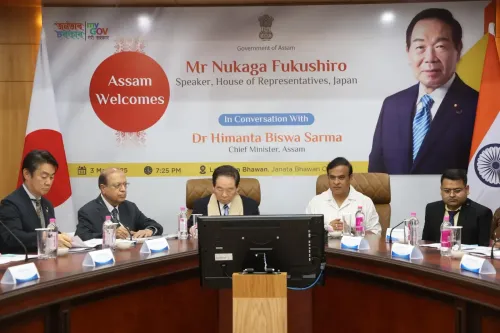
Hazarika underscored that Assam has positioned itself as a growing hub for foreign investment, particularly in semiconductors, electronics manufacturing, infrastructure, and advanced technology. He noted that Japanese investors and industry leaders have shown rising interest in the state following a series of policy reforms and investment promotion drives by the state government.
'Any loss arising out of disruptions or attempts to create an atmosphere of uncertainty will not affect any individual political leader. It will affect the people of Assam and the state's future prospects,' he warned.
The Broader Stakes
The proposed Guwahati leg of the India-Japan summit had been seen as an opportunity to showcase the Northeast as an investment destination — part of a broader Centre-driven push to integrate the region into global supply chains. Its apparent shelving, even for logistical reasons, gives political opponents a ready narrative, which is precisely what Hazarika sought to pre-empt. The Minister appealed to all sections of society to collectively protect Assam's development trajectory and avoid actions that could erode investor confidence.
Point of View
But the underlying concern is real: Assam had staked considerable reputational capital on hosting the India-Japan summit, and its apparent shift to New Delhi — however logistical the stated reason — hands the opposition a ready-made setback narrative. More substantively, the Northeast's integration into global investment corridors depends on exactly the kind of high-visibility diplomatic signals that a Guwahati summit would have provided. Hazarika's appeal to protect investor confidence is legitimate, even if the messenger and the framing are politically motivated. The question that goes unasked in his remarks: what specific assurances is the state government offering Japanese investors now that the summit optics have dimmed?
NationPress
22 Sept 2026
Frequently Asked Questions
Why is Japanese PM Sanae Takaichi's Guwahati visit unlikely to happen?
Reports indicate that scheduling and logistical constraints have led to the India-Japan summit being moved to New Delhi, making Takaichi's proposed visit to Guwahati from 1–3 July unlikely to materialise. No official cancellation has been announced, but the shift appears confirmed according to reports.
Who are the 'anti-development forces' Assam Minister Pijush Hazarika referred to?
Hazarika did not name specific individuals or groups, but alleged that certain people and organisations opposed to Assam's economic progress were attempting to create uncertainty and tarnish the state's investment image. The remarks were made in the context of the reported venue change for the India-Japan summit.
What sectors is Assam targeting for Japanese investment?
Assam has been actively courting Japanese investment in semiconductors, electronics manufacturing, infrastructure, and advanced technology. The state government has undertaken a series of policy reforms and investment promotion initiatives to attract foreign capital to these sectors.
What is the India-Japan summit expected to cover?
The annual India-Japan summit is expected to focus on trade, investment, infrastructure, economic security, and strategic cooperation between the two countries. The summit was originally being considered for Guwahati before reports of a shift to New Delhi emerged.
How has the Assam government responded to the venue change?
Minister Pijush Hazarika maintained that the shift is purely logistical and should not be seen as a reflection on Assam's ability to host international events. He urged all sections of society to work together to safeguard the state's development trajectory and investor confidence.