CM Himanta Deploys Ministers to Assam Flood Zones
Synopsis
The Chief Minister's Office of Assam announced on 20 July 2026 that ministers Bimal Borah and Keshab Mahanta visited flood-hit Sivasagar, Jorhat, and Teok on CM Himanta Biswa Sarma's directions to assess conditions and oversee relief distribution to affected families.
Key Takeaways
CM Himanta Biswa Sarma directed two senior ministers to conduct ground-level visits to flood-affected districts in Upper Assam on 20 July 2026 .
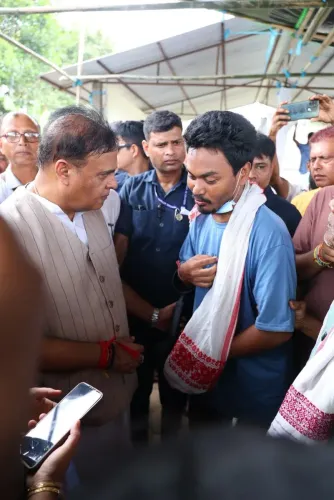
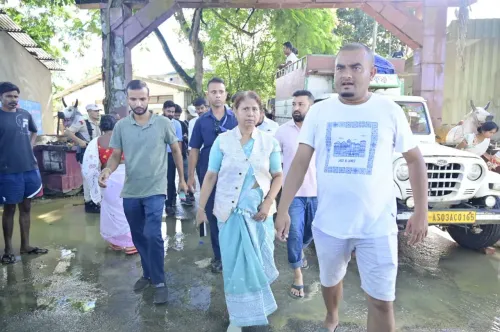
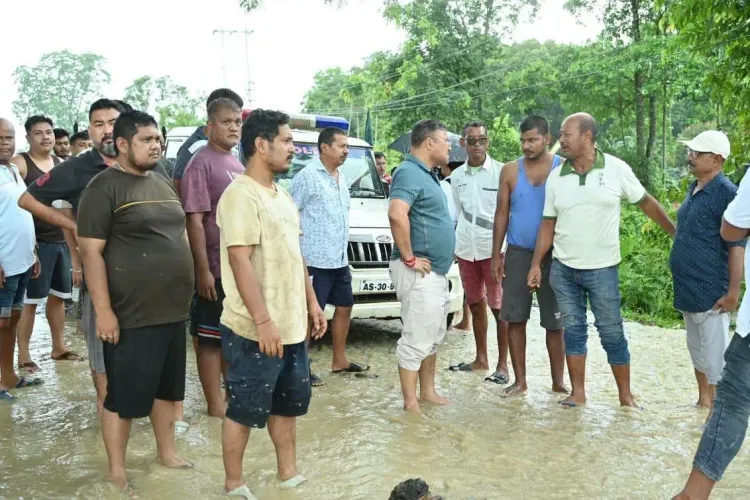
Minister Bimal Borah visited Serekapora, Sivasagar district , while Minister Keshab Mahanta covered Jorhat and Teok .
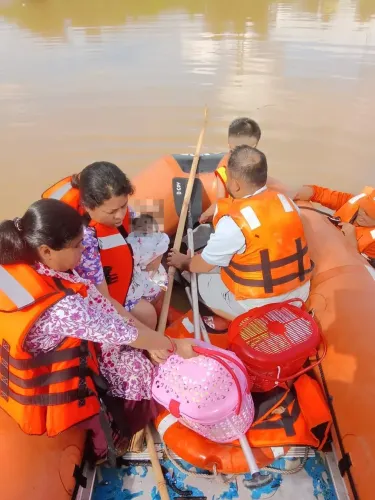
The visits focused on assessing flood conditions, reviewing rescue operations, and overseeing distribution of relief materials to affected families.
The Government of Assam stated it has mobilised 'all available resources' for rescue, relief, rehabilitation, and essential services.
The ministerial deployment follows a protocol formalised in 2021–22 under which cabinet ministers visit affected districts during peak monsoon flooding.
Next steps may include additional SDRF releases or requests for central assistance under the National Disaster Response Fund .
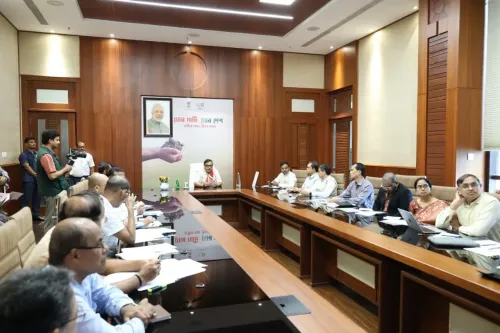
The Chief Minister's Office of Assam announced on Monday, 20 July 2026 that two senior cabinet ministers have been dispatched to flood-affected districts in Upper Assam on the directions of Chief Minister Dr. Himanta Biswa Sarma, signalling a high-level government response to the ongoing monsoon crisis.
According to the official post, Minister Bimal Borah visited Serekapora in Sivasagar district, while Minister Keshab Mahanta travelled to flood-hit areas in Jorhat and Teok. The ministers were tasked with assessing ground conditions, reviewing rescue and relief operations, and overseeing the distribution of relief materials to affected families.
Context
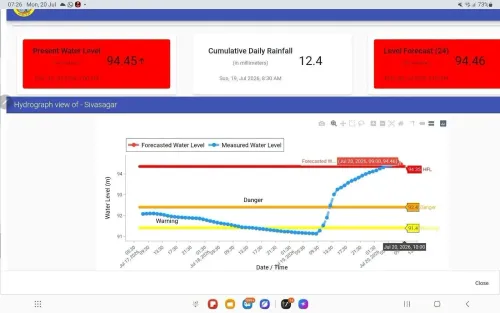
Assam's monsoon flooding is an annual crisis driven by the Brahmaputra river and its tributaries, which regularly inundate large tracts of Upper Assam during the June–September monsoon season. Districts such as Sivasagar and Jorhat are historically among the most vulnerable, with agricultural land, rural settlements, and infrastructure bearing the brunt of rising waters each year. The 2026 monsoon season has continued this pattern, prompting the state government to activate its disaster response machinery.Policy Backdrop
The deployment of senior ministers to flood-affected districts reflects a protocol the Government of Assam formalised in 2021–22, under which cabinet-level officials conduct on-ground visits during peak flooding to ensure accountability in relief delivery. The state draws on the State Disaster Response Fund (SDRF), established under the Disaster Management Act, 2005, to finance rescue, relief, and rehabilitation operations. Following major Brahmaputra floods in 2020, the state also accelerated embankment-strengthening programmes alongside immediate relief protocols. The CMO statement underlined that 'all available resources' have been mobilised for 'timely rescue, relief, rehabilitation and essential services.'Stakeholders and Impact
The primary beneficiaries of the current relief drive are flood-affected families across Sivasagar, Jorhat, and Teok. Relief material distribution — typically encompassing food packets, drinking water, tarpaulins, and medicines — is being monitored closely, with the government stating that 'every affected family receives the necessary assistance at the earliest.' Farmers, daily-wage labourers, and residents of low-lying riverine areas are among the most exposed segments of the population in these Upper Assam districts. Local administration, the State Disaster Response Force (SDRF), and allied agencies are coordinating the on-ground operations.What's Next
Authorities are expected to provide updated assessments following the ministerial visits, which could inform decisions on additional SDRF allocations or a formal request for central assistance under the National Disaster Response Fund (NDRF). Restoration of essential services — including road connectivity, power supply, and drinking water infrastructure — will be the next priority once floodwaters recede. The pattern of successive Assam administrations combining short-term material relief with longer-term structural investments such as embankments and river dredging suggests that the current response will eventually feed into broader infrastructure planning for the region.Point of View
The CMO statement positions the state as proactive rather than reactive, a framing that has become standard in disaster communications. The focus on monitoring 'every affected family' echoes the accountability language embedded in the Disaster Management Act, 2005, suggesting the government is calibrating its response with an eye on both relief delivery and public perception. Whether the on-ground visits translate into measurably faster relief distribution will be the real test of the protocol's effectiveness.
NationPress
20 Oct 2026
Frequently Asked Questions
Which Assam ministers visited flood-affected areas on 20 July 2026?
Minister Bimal Borah visited Serekapora in Sivasagar district, and Minister Keshab Mahanta visited flood-affected areas in Jorhat and Teok , both on the directions of Chief Minister Himanta Biswa Sarma.
Why is Assam facing floods in July 2026?
Assam experiences annual monsoon flooding driven by the Brahmaputra river and its tributaries. Districts like Sivasagar and Jorhat in Upper Assam are historically among the most flood-prone during the June–September monsoon season.
What relief is the Assam government providing to flood-affected families?
The Government of Assam has mobilised resources for rescue, relief material distribution, rehabilitation, and essential services, with the CMO stating that relief efforts are being closely monitored to ensure every affected family receives assistance at the earliest.
What is the State Disaster Response Fund (SDRF) and how does Assam use it?
The SDRF is a fund established under the Disaster Management Act, 2005 that states use to finance flood rescue, relief, and rehabilitation operations. Assam activates the SDRF annually during monsoon flooding to support on-ground disaster response.
What is the next step after the ministerial visits to Assam flood zones?
Following the visits, the government is expected to release updated ground assessments that could lead to additional SDRF allocations or a formal request for central funds under the National Disaster Response Fund (NDRF) , alongside restoration of essential services.