CM Himanta Plans 1,500-Athlete Sports Hostel in Guwahati
Synopsis
Assam Chief Minister Himanta Biswa Sarma announced plans to accommodate 1,500 athletes in state-of-the-art sports hostels in Guwahati, extending his administration's five-year push to centralise world-class sports infrastructure in the state capital.
Key Takeaways
1,500 athletes are to be housed in sports hostels in Guwahati under the new plan.
Himanta Biswa Sarma described the facilities as 'state-of-the-art.' The announcement continues a post-2021 pattern of successive sports infrastructure upgrades by the Assam government.
Funding source, construction timeline, and tendering details were not disclosed in the announcement.
The move aims to retain talented athletes within Assam rather than losing them to academies in other states.
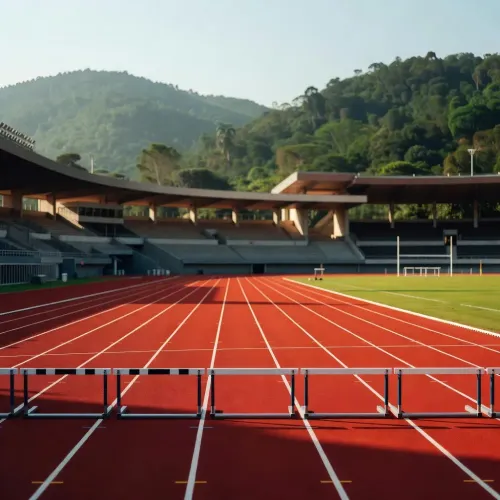
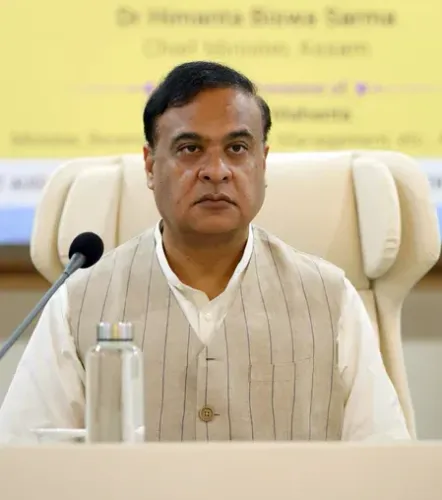
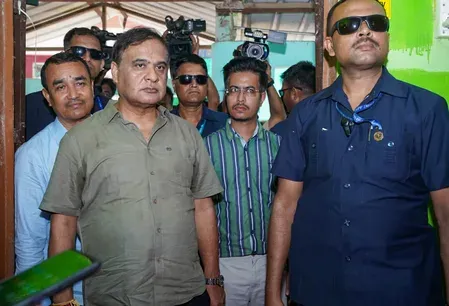
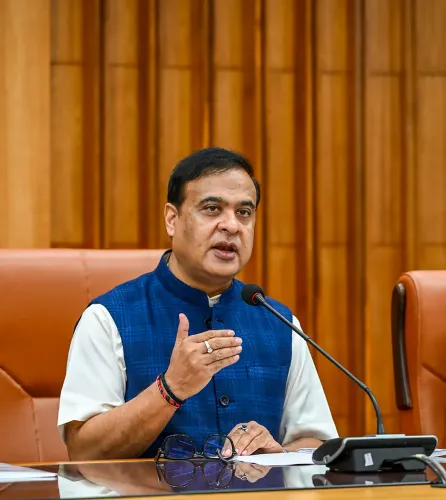
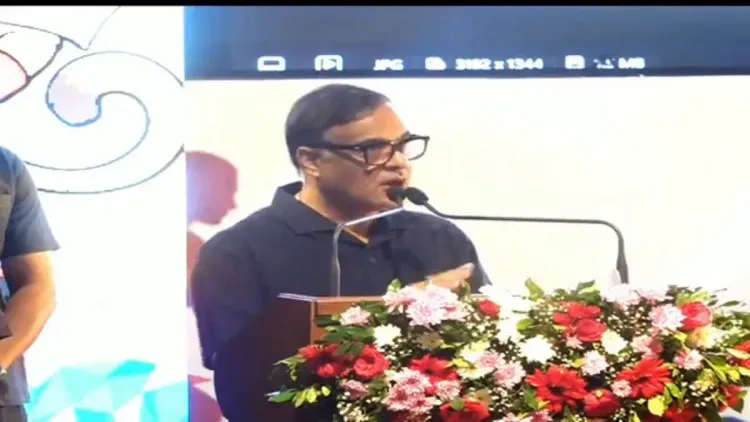
Assam is betting big on its athletes. Chief Minister Dr. Himanta Biswa Sarma announced on Friday, 30 October 2026 that the state government is moving to accommodate 1,500 athletes in sports hostels in Guwahati, equipped with what he called 'state-of-the-art facilities' — a signal that the Northeast's largest city is being groomed as a serious hub for competitive sport.
Guwahati at the centre of Assam's sports ambition
Guwahati already hosts multiple state training centres, but this scale of athlete housing — 1,500 beds under a single infrastructure push — would mark a step-change in residential capacity. The Chief Minister's Office framed the move as equipping the next generation of Assamese athletes with the environment they need to compete at national level without leaving the state. For a region that has historically lost promising talent to academies in Delhi, Bengaluru, and Pune, the pitch is straightforward: world-class conditions, closer to home.
Five years of incremental upgrades, one big headline number
Since May 2021, the Sarma administration has announced successive rounds of investment in sports hostels and training infrastructure across Assam's districts. The pattern has been deliberate: centralise the highest-quality facilities in the capital while extending basic infrastructure to tier-2 districts. This latest announcement fits squarely in that arc, scaling the Guwahati node to a capacity that few individual state capitals in India can match. Dr. Sarma, a former competitive badminton player himself, has consistently framed sports infrastructure as a youth-development and employment issue, not just a medals tally.
What still needs answers
The announcement, made through the Chief Minister's Office on X, did not specify funding sources, tendering timelines, or a completion date for the 1,500-bed complex. Key questions remain: whether the capacity is tied to a specific upcoming national or regional tournament, how construction will be phased, and what the operational model — state-run, public-private, or federally co-funded — will look like. Stakeholders including state sports associations and young athletes currently housed in older facilities will be watching closely for those details.
Assam has signalled its direction clearly. The numbers, the timeline, and the funding are still the story left to tell.
Point of View
500-athlete hostel announcement is best read as a continuation of the Sarma government's deliberate strategy to make Guwahati the Northeast's premier sports infrastructure hub — part talent-retention play, part political brand-building around youth empowerment. By centralising high-quality residential facilities in the capital, Assam is trying to close the gap with established training ecosystems in southern and western India. The absence of funding and timeline details, however, means the announcement lands more as a policy signal than an actionable plan — and the gap between signal and delivery will define its legacy.
NationPress
30 Oct 2026
Frequently Asked Questions
How many athletes will the new Assam sports hostel accommodate?
The Assam government plans to accommodate 1,500 athletes in sports hostels in Guwahati, according to Chief Minister Himanta Biswa Sarma's announcement on 30 October 2026.
Where will the new Assam sports hostel be built?
The sports hostel complex is planned for Guwahati , the largest city and capital of Assam, which already hosts several state sports training centres.
Who announced the 1,500-athlete sports hostel in Assam?
Assam Chief Minister Dr. Himanta Biswa Sarma made the announcement via the Chief Minister's Office official account on 30 October 2026.
What facilities will the Guwahati sports hostel have?
The CM described the planned hostels as being equipped with 'state-of-the-art facilities,' though specific amenities and infrastructure details have not yet been disclosed.
When will the Assam sports hostel for 1,500 athletes be ready?
A construction timeline and completion date have not been announced. Funding sources and tendering details are also yet to be made public.