CM Himanta Flags Cattle Smuggling Bust in Assam's Gossaigaon
Synopsis
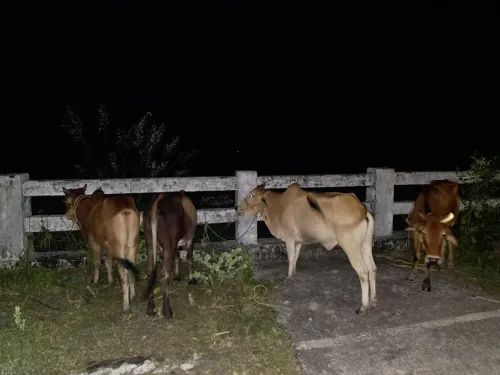
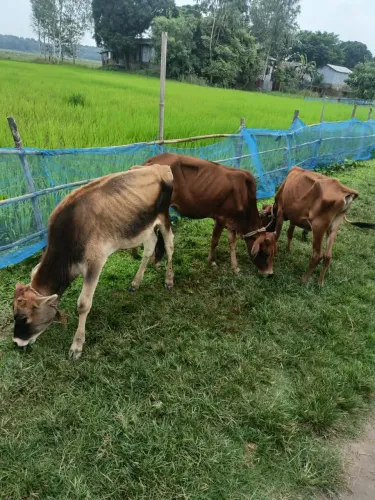
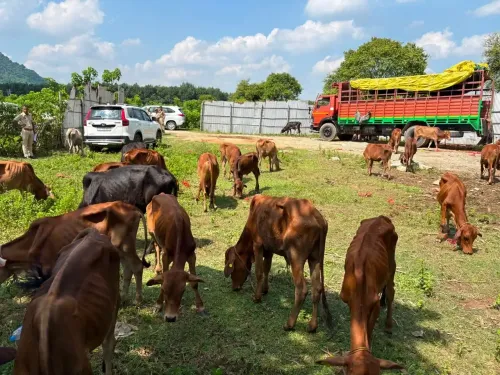
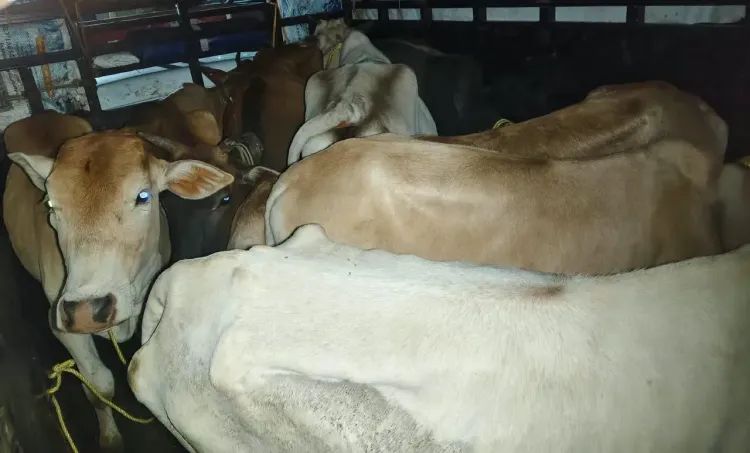
Assam CM Himanta Biswa Sarma announced that Gossaigaon and Mukalmua police jointly seized 8 cattle from a goods vehicle and arrested 2 alleged smugglers on 8 October 2026, vowing continued enforcement against cattle trafficking.
Key Takeaways
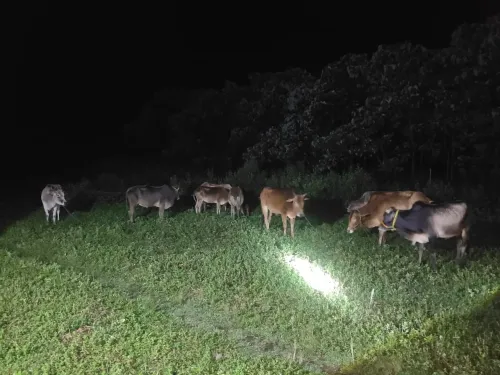
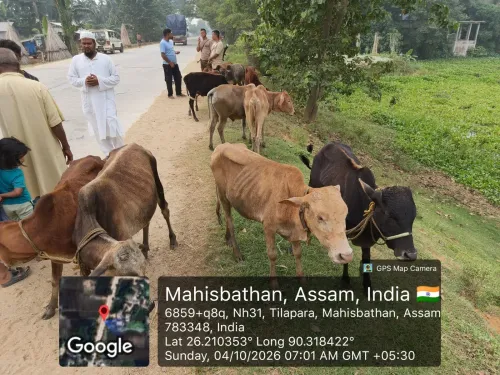
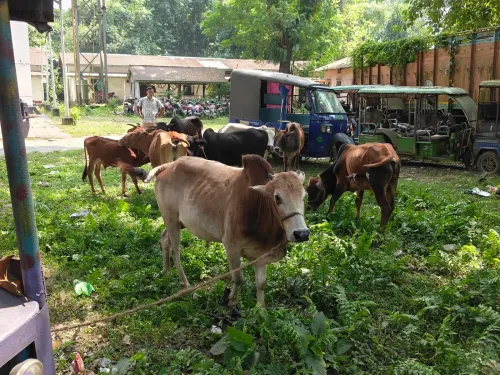
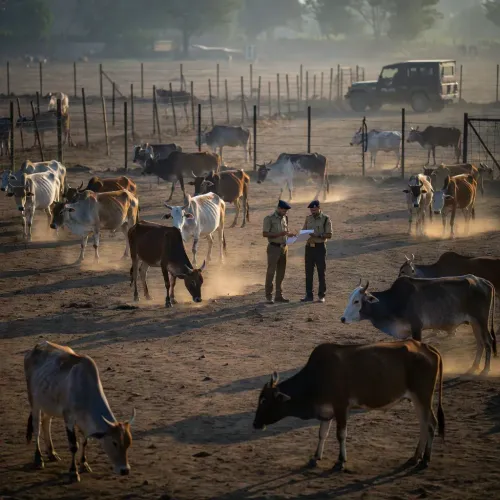
8 cattle were recovered from an illegally loaded goods vehicle in a joint operation.
Police from Gossaigaon (Bodoland Territorial Region) and Mukalmua (Nalbari district) coordinated the bust.
2 cattle smugglers were arrested at the scene.
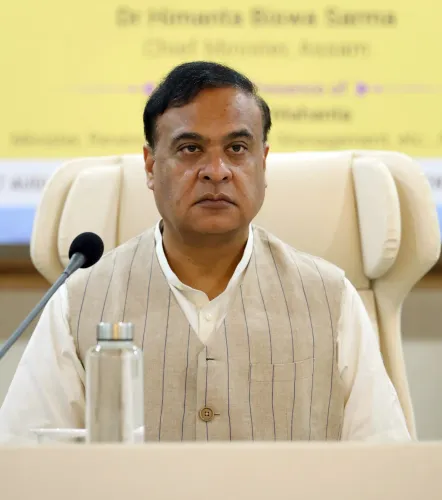
CM Himanta Biswa Sarma personally publicised the operation on X, warning that evading Assam Police is 'impossible'.
The CM confirmed anti-cattle-smuggling operations will continue with no let-up.
Eight cattle were rescued from a goods vehicle and two alleged smugglers arrested — Assam Chief Minister Himanta Biswa Sarma publicised the operation on Thursday, 8 October 2026, crediting the Gossaigaon and Mukalmua police for the seizure and warning that enforcement will not let up.
Posting in Hindi, CM Sarma wrote: 'कोशिश कितनी भी कर लें, लेकिन @assampolice की नजरों से बचना मुश्किल ही नहीं, नामुमकिन है' — 'No matter how hard you try, evading the eyes of Assam Police is not just difficult, it is impossible.' The message was pointed and deliberate: a public signal to smugglers that the state is watching.
The Gossaigaon-Mukalmua joint catch
The operation involved police units from two distinct jurisdictions — Gossaigaon in the Bodoland Territorial Region in western Assam, and Mukalmua in Nalbari district in lower Assam. Coordinating across districts, the teams intercepted a goods vehicle being used to transport 8 heads of cattle illegally. Two cattle smugglers were arrested on the spot. CM Sarma confirmed the action and declared: 'Action against cattle smuggling will continue.'Cattle protection as an Assam enforcement priority
Cattle smuggling — particularly the illegal movement of bovines across state and international borders — has been a persistent law-enforcement flashpoint across northeast India. Assam shares a long border with Bangladesh and Bhutan, and smuggling routes through the Brahmaputra plains have historically been exploited by trafficking networks. The BJP-led Assam government has consistently positioned crackdowns on cattle trafficking as both a legal-enforcement and cultural-protection issue, frequently citing the economic importance of cattle to rural farming communities alongside religious sentiments around the cow. CM Sarma has personally amplified multiple such operations on social media, turning individual police actions into a broader, visible campaign narrative. The use of a commercial goods vehicle in this case is a pattern enforcement agencies have flagged before — smugglers routinely attempt to disguise cattle consignments within larger cargo to avoid detection at checkpoints. The joint operation across Gossaigaon and Mukalmua suggests active inter-district intelligence sharing within Assam Police. With the arrests made and the animals recovered, the message from Dispur is unambiguous: the crackdown has no off-season.Point of View
Sarma ties accountability directly to local police stations, a governance style designed to project administrative grip. The broader arc here is the state's effort to disrupt trans-border smuggling networks that have operated along Assam's western frontier for decades.
NationPress
8 Oct 2026
Frequently Asked Questions
Where did the Assam cattle smuggling bust take place?
The operation was carried out by police in Gossaigaon , located in the Bodoland Territorial Region, and Mukalmua in Nalbari district of Assam.
How many cattle were seized and how many people arrested?
8 heads of cattle were recovered from a goods vehicle, and 2 alleged cattle smugglers were arrested.
What did Assam CM Himanta Biswa Sarma say about the operation?
CM Sarma said evading Assam Police is 'not just difficult, it is impossible,' and confirmed that action against cattle smuggling will continue.
Why is cattle smuggling a major issue in Assam?
Assam's borders with Bangladesh and Bhutan make it a transit corridor for illegal cattle movement. The state government treats cattle protection as both a law-enforcement and cultural priority.
How were the cattle being smuggled?
The animals were concealed in a goods vehicle — a common method used by smugglers to disguise cattle within larger cargo consignments.