Assam cattle smuggling crackdown: 298 animals rescued, 33 arrested

Synopsis
Assam Police hit cattle smuggling networks at three locations at once — seizing 22 vehicles, rescuing 298 animals and arresting 33 people in a single coordinated sweep. CM Himanta Biswa Sarma's direct warning on X signals the state is escalating enforcement, not just reacting to individual incidents.
Key Takeaways
Assam Police conducted simultaneous raids at three locations on 31 August targeting cattle smuggling networks.
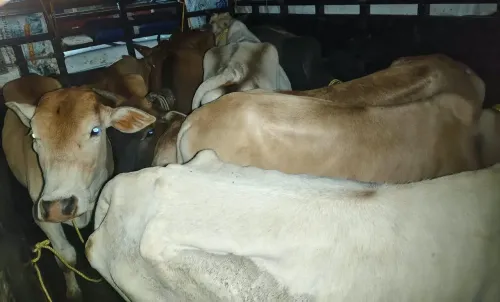
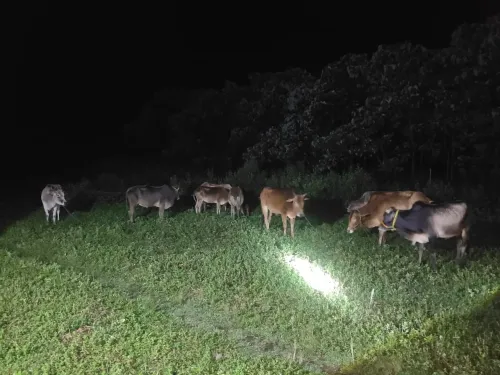
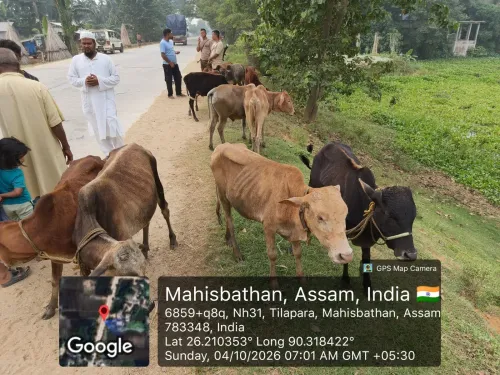
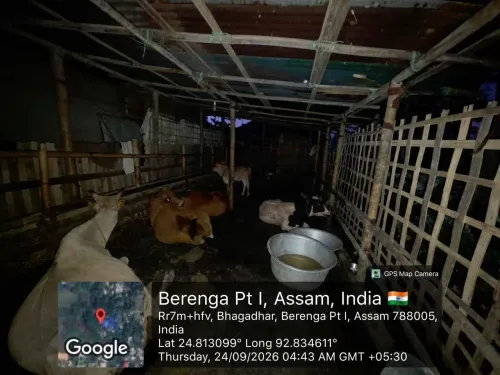
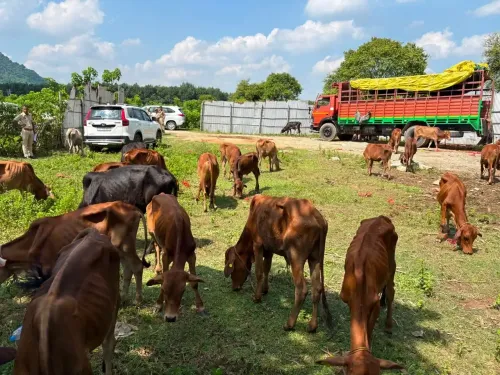
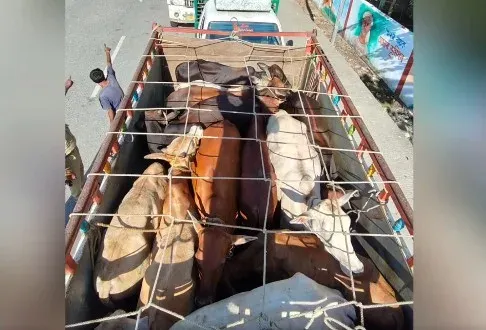
298 animals were rescued and 22 vehicles used in alleged smuggling operations were seized.
33 people were arrested in connection with the coordinated operation.
Chief Minister Himanta Biswa Sarma confirmed the crackdown via a post on X , warning smugglers there is 'no place' for such activity in Assam.
Investigations are under way to trace the source and intended destination of the rescued cattle.
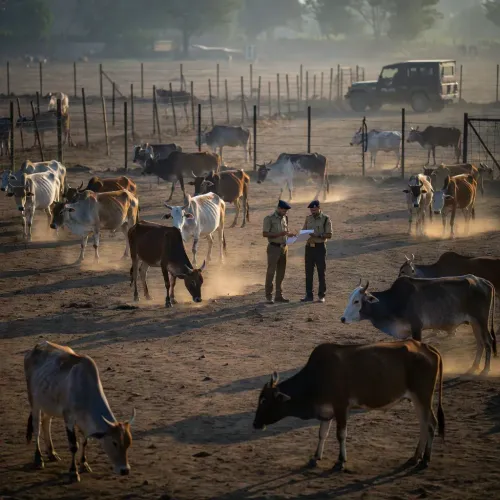
Assam Police launched simultaneous raids at three locations on Monday, 31 August, seizing 22 vehicles, rescuing 298 animals, and arresting 33 people in a coordinated crackdown on cattle smuggling across the state. Chief Minister Himanta Biswa Sarma confirmed the operation, calling it a demonstration of the state government's resolve to dismantle illegal cattle transportation networks.
How the Operation Unfolded
The Assam Police conducted the three-pronged operation simultaneously, a tactical choice designed to prevent tipped-off smugglers from evading enforcement at any single checkpoint. The 22 vehicles seized are expected to yield leads on the wider logistics network behind the alleged smuggling operations. Investigations are under way to establish the source and intended destination of the 298 rescued animals.
What Sarma Said
Taking to social media platform X, Chief Minister Sarma issued a direct warning to those involved in the trade. 'Listen up, cattle smugglers — there is no place for cattle smuggling on the soil of Assam!' he said in his post. Sarma credited the Assam Police for the coordinated action and said the operation had sent an unambiguous message that such activities would no longer be tolerated in the state.
Why Assam Is a Key Flashpoint
Assam's geography makes it particularly vulnerable to illegal cattle movement. The state shares both international and interstate borders, providing multiple transit corridors that organised smuggling networks have historically exploited. This comes amid a sustained enforcement push by the state government, which has repeatedly stated that strict action would follow any verified instance of illegal cattle transportation.
What Happens Next
The 33 arrested individuals will face further interrogation aimed at mapping the supply chain behind the smuggling operations. The seized vehicles are likely to be examined for forensic and documentary evidence. Authorities say the simultaneous multi-location model is expected to become a template for future enforcement drives across the state's border districts.
Point of View
Intelligence-led enforcement. Assam's border geography has long made cattle smuggling a structural problem, not a sporadic one, and single-point crackdowns have historically displaced rather than dismantled networks. The real test will be whether the 33 arrests lead to prosecutions that hold up in court and whether the seized vehicles are traced back to organised financiers rather than low-level transporters. CM Sarma's public warning on X is politically pointed, but sustained enforcement, not social media signalling, is what disrupts entrenched smuggling corridors.
NationPress
15 Oct 2026
Frequently Asked Questions
What happened in the Assam cattle smuggling crackdown on 31 August?
Assam Police launched simultaneous raids at three locations on 31 August, rescuing 298 animals, seizing 22 vehicles, and arresting 33 people suspected of involvement in cattle smuggling. Chief Minister Himanta Biswa Sarma confirmed the operation and praised the coordinated police action.
How many animals were rescued and vehicles seized in the Assam operation?
A total of 298 animals were rescued and 22 vehicles allegedly used in smuggling operations were seized during the crackdown. The vehicles are expected to provide leads into the wider smuggling network.
What did CM Himanta Biswa Sarma say about the cattle smuggling crackdown?
Sarma posted a direct warning on social media platform X, stating: 'Listen up, cattle smugglers — there is no place for cattle smuggling on the soil of Assam!' He credited the Assam Police for the operation and said it underlined the government's determination to prevent illegal cattle transportation.
Why is Assam particularly vulnerable to cattle smuggling?
Assam shares both international and interstate borders, which provide multiple transit corridors that organised smuggling networks exploit for illegal cattle movement. Enforcement at strategic border locations has been a key focus of the state government's anti-smuggling efforts.
What happens to the 33 people arrested in the Assam cattle smuggling raids?
The 33 arrested individuals are being investigated to map the supply chain behind the smuggling operations, including identifying the source and intended destination of the rescued cattle. Authorities say the seized vehicles will also be examined for further evidence.