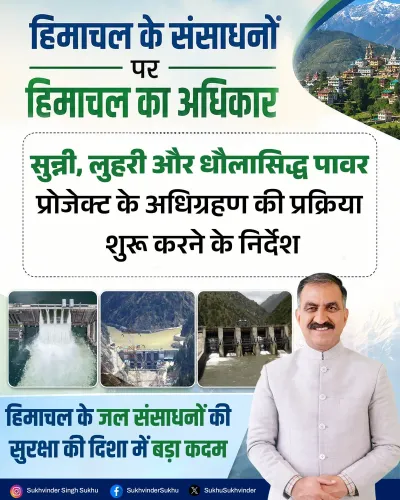
HP CM Sukhu hails Spiti Valley clean energy project
Synopsis
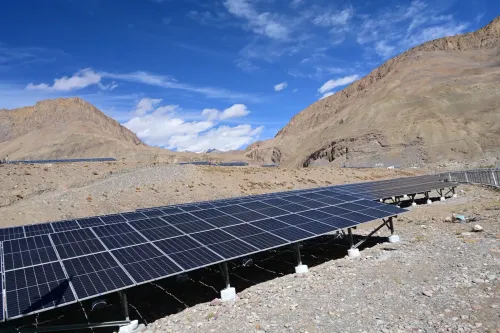
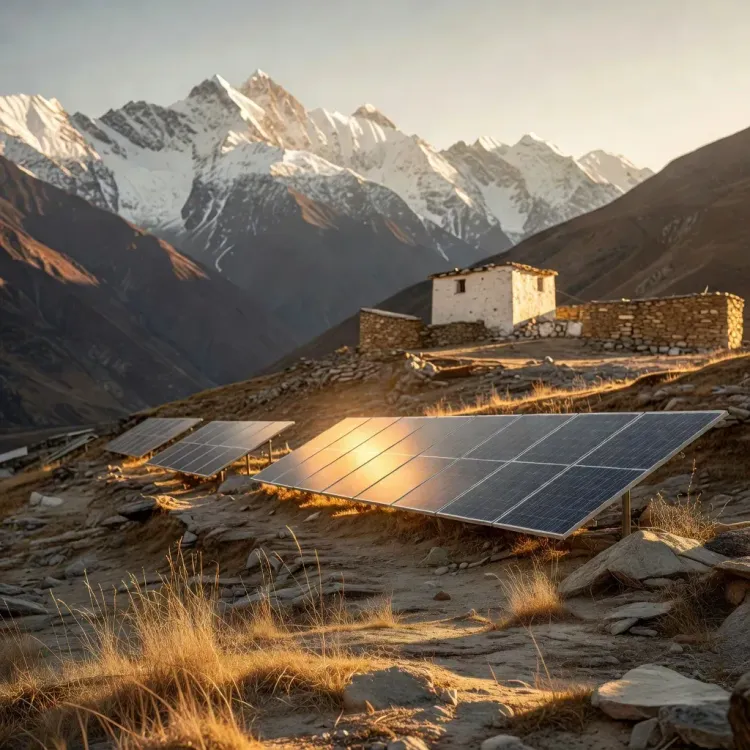
Chief Minister Sukhvinder Singh Sukhu has highlighted a new clean energy project in Spiti Valley, Himachal Pradesh, projected to generate 36 lakh units of electricity per year, addressing the remote region's chronic power shortfall and advancing the state's renewable energy goals.
Key Takeaways
The Chief Minister's Office of Himachal Pradesh announced a clean energy project for Spiti Valley on 15 October 2026 .
CM Thakur Sukhvinder Singh Sukhu described it as a 'big achievement' for the valley and the state.
The project is expected to generate approximately 36 lakh (3.6 million) units of electricity annually .
It aims to meet local electricity needs in the high-altitude, off-grid Lahaul and Spiti district .
The initiative aligns with Himachal Pradesh's broader strategy of small-scale renewable projects in ecologically sensitive Himalayan districts.
Specific project details — technology type, implementing agency, and commissioning date — have not yet been officially disclosed.
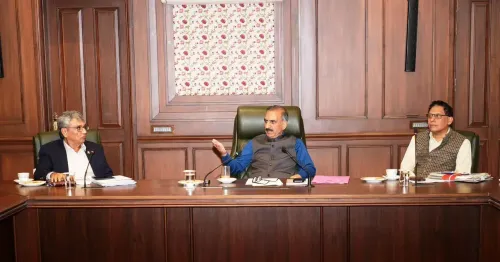
A high-altitude cold desert that once struggled for basic electricity now stands on the cusp of generating roughly 3.6 million units of power every year — and Chief Minister Thakur Sukhvinder Singh Sukhu is calling it a landmark moment for the state. The Chief Minister's Office of Himachal Pradesh shared Sukhu's statement on Thursday, 15 October 2026, marking what his office described as a major achievement for Spiti Valley and Himachal Pradesh as a whole.
In his statement, CM Sukhu said — 'yah Spiti Ghati aur pradesh ke liye badi uplabdhi hai' ('this is a great achievement for Spiti Valley and the state') — pointing to an energy project expected to produce approximately 36 lakh units of electricity annually. The project, he noted, will help meet the electricity needs of the region while promoting the use of clean energy.
Why Spiti's energy gap matters
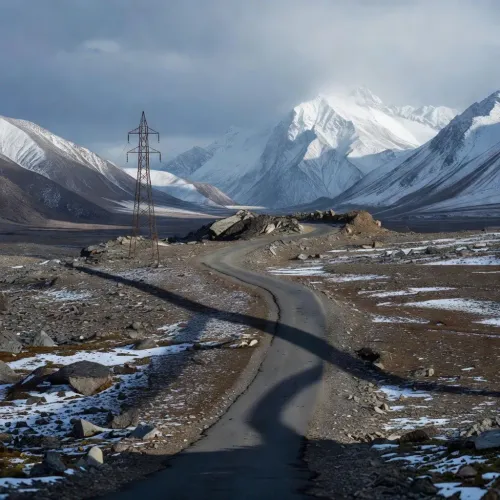
Spiti Valley, nestled in the remote Lahaul and Spiti district of Himachal Pradesh, is one of India's most sparsely connected high-altitude regions. Extreme winters, limited road access for stretches of the year, and fragile grid linkages have historically made reliable electricity supply a chronic challenge for its residents. Every unit generated locally is a unit that does not depend on long, vulnerable transmission lines snaking through mountain passes.
The announcement fits into a pattern Himachal Pradesh has been building for years: small, targeted renewable projects in its ecologically sensitive Himalayan districts — designed to add capacity without the displacement or large-scale environmental disruption that bigger dams or plants would require. Lahaul-Spiti and neighbouring Kinnaur have been priority zones in this strategy.
Sukhu's clean-energy push since December 2022
Thakur Sukhvinder Singh Sukhu, who has led the state since December 2022, has consistently positioned clean energy expansion as a pillar of Himachal Pradesh's development agenda. Off-grid and micro-scale renewable projects align directly with India's national renewable capacity addition targets, giving the state both energy security and a credible climate story to tell.
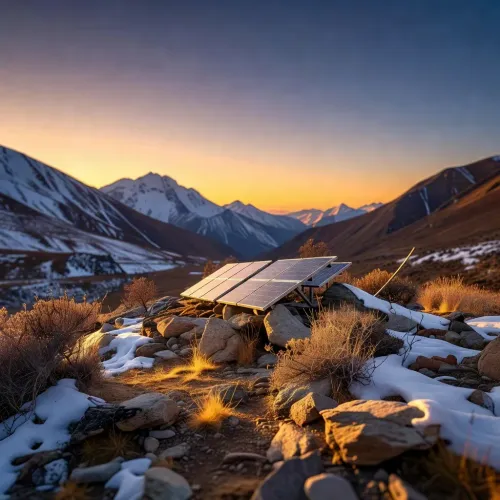
An annual output of 36 lakh units is modest on a national grid scale, but for a valley where reliable power is the exception rather than the rule, that number is transformative. It represents local schools, health posts, and homes freed from dependence on diesel generators or erratic supply.
The commissioning timeline, the precise technology — whether solar, micro-hydro, or hybrid — and the implementing agency have not yet been officially disclosed. Those details will sharpen the picture of just how quickly Spiti's energy landscape can change.
Point of View
Localised energy wins in places like Spiti Valley carry outsized electoral and developmental weight relative to their grid-scale contribution. By anchoring clean energy expansion to off-grid communities rather than large hydropower corridors — which carry displacement and environmental controversy — the Congress-led administration threads a needle between development optics and ecological credibility. The 36-lakh-unit figure is a concrete commitment that will now be tracked against delivery, making commissioning timelines the real test of the announcement's substance. If similar micro-projects follow in Kinnaur and other remote districts, it could quietly reshape Himachal Pradesh's energy map from the margins inward.
NationPress
15 Oct 2026
Frequently Asked Questions
What is the Spiti Valley clean energy project announced by CM Sukhu?
Chief Minister Sukhvinder Singh Sukhu announced a clean energy project in Spiti Valley, Himachal Pradesh, expected to generate approximately 36 lakh (3.6 million) units of electricity per year. The project aims to meet local power needs and promote clean energy in the remote high-altitude region.
Where is Spiti Valley located in Himachal Pradesh?
Spiti Valley is located in the Lahaul and Spiti district of Himachal Pradesh. It is a high-altitude cold desert region characterised by remote settlements, extreme winters, and historically limited connectivity and power supply.
How much electricity will the Spiti Valley project generate?
The project is expected to generate approximately 36 lakh units (3.6 million kWh) of electricity annually, according to the Chief Minister's Office of Himachal Pradesh.
Who is Thakur Sukhvinder Singh Sukhu?
Thakur Sukhvinder Singh Sukhu is the Chief Minister of Himachal Pradesh, in office since December 2022. His administration has focused on infrastructure development and clean energy expansion across the state's Himalayan districts.
What type of energy project is being built in Spiti Valley?
The exact technology — whether solar, micro-hydro, or a hybrid system — has not been officially disclosed in the announcement. Further details on the implementing agency and commissioning timeline are also yet to be made public.