CM Sukhu Moves to Reclaim Hydropower Projects from SJVN
Synopsis
CM Sukhvinder Singh Sukhu chairs an energy review and orders a court affidavit to bring the 66 MW Dhaulasidh hydro project under state control from SJVN, while pushing Luhri and Sunni transfers and fast-tracking winter-ready power infrastructure in Spiti.
Key Takeaways
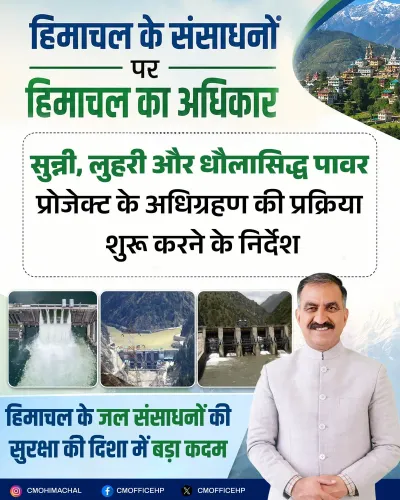
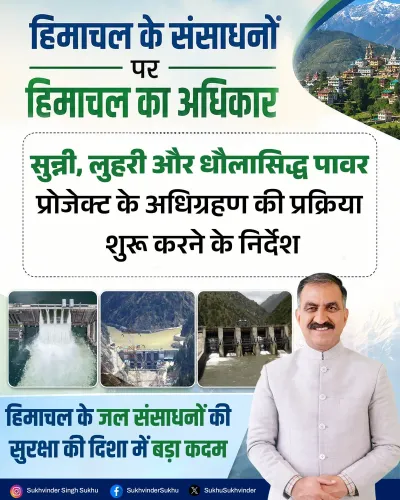
CM Sukhu directed HP's Multi-Purpose Projects and Energy Department to file a court affidavit to reclaim the 66 MW Dhaulasidh Hydroelectric Project on the Beas river from SJVN.
The state government declared readiness to pay the first cost instalment for the Dhaulasidh project transfer.
Officials instructed to intensify efforts to bring Luhri and Sunni Hydroelectric Projects under state control as well.
Construction of the 66 kV transmission line from Pooh to Samdo and Samdo to Kaza must be accelerated to improve Spiti valley grid access.
The 2 MW Rangrik solar project with a 1 MWh battery storage system must be made operational before the snowfall season begins.
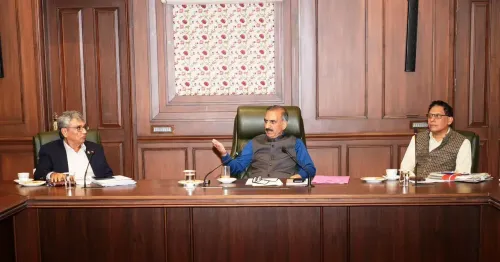
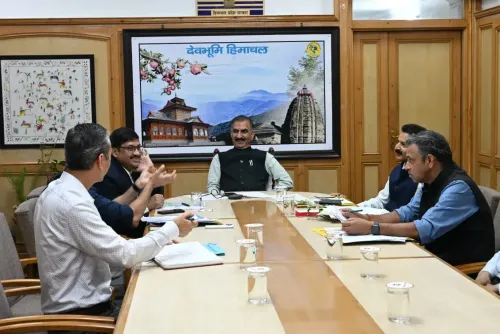
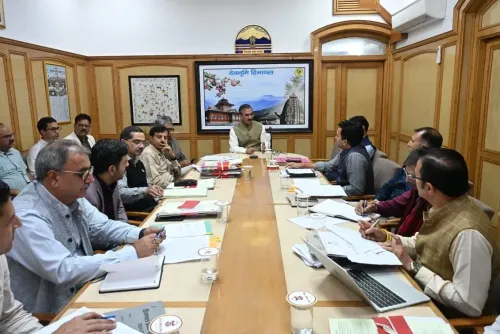
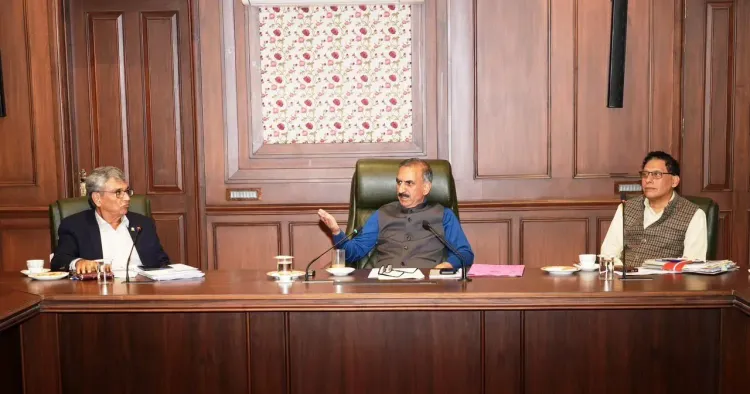
Himachal Pradesh Chief Minister Sukhvinder Singh Sukhu has put the state's hydropower future squarely in legal and operational motion — directing his energy department to file a court affidavit to bring the 66 MW Dhaulasidh Hydroelectric Project on the Beas river under state government control, even as he signalled readiness to pay the first cost instalment to advance the takeover. The moves, announced on Wednesday, 30 September 2026, emerged from a review meeting of the Multi-Purpose Projects and Energy Department chaired by Sukhu in Shimla.
The Dhaulasidh Affidavit — and What It Signals
The instruction to file an affidavit in court is the clearest signal yet that the Sukhu government intends to pursue the Dhaulasidh project transfer through formal legal channels, not just administrative negotiation. SJVN Limited — a joint venture between the Government of India and Himachal Pradesh incorporated in 1988 — has been developing the project. Sukhu stated that the state government is 'prepared to pay the first instalment of the project cost in the interest of the state.' Committing public funds publicly raises the political and financial stakes of any delay.
Luhri and Sunni: The Wider Reclamation Push
The Dhaulasidh move is not a one-off. Sukhu also directed officials to 'intensify efforts' to take back the Luhri and Sunni Hydroelectric Projects from SJVN. Himachal Pradesh has a recurring tension at the heart of its energy economy: a resource-rich state that hosts massive hydropower infrastructure increasingly wants operational leverage over assets developed by central public sector undertakings. These three projects — Dhaulasidh, Luhri, Sunni — are the current frontline of that contest.
Kaza's Power Corridor and a Race Against Winter
Two operational directives from the meeting carry immediate urgency for residents of Himachal's remote high-altitude districts. Officials were told to accelerate construction of the 66 kV transmission line from Pooh to Samdo and Samdo to Kaza — a corridor that would significantly improve grid connectivity for Spiti valley communities that currently face severe power cuts during winter months.
Equally time-critical: the 2 MW Rangrik solar energy project in Spiti, paired with a 1 MWh battery energy storage system, must be commissioned before snowfall begins. Battery storage in high-altitude solar installations addresses a long-standing reliability gap — solar generation drops sharply on overcast winter days, while storage buffers that gap into the night hours when temperatures plunge.
A Broader State Strategy Taking Shape
Taken together, Wednesday's directives sketch a coherent energy strategy: reclaim revenue-generating hydro assets from central PSUs, extend the transmission backbone into Kinnaur and Lahaul-Spiti, and layer in solar-plus-storage capacity before the Himalayan winter isolates these communities. The court route for Dhaulasidh is the most consequential of these moves — its success or failure will set the template for Luhri and Sunni.
Point of View
Time-bound record that is harder to quietly shelve, signalling the government wants legal pressure to complement administrative demands. The simultaneous push on Luhri and Sunni suggests this is a doctrine, not a one-time move. For SJVN, which depends heavily on Himachal's river basins for its project pipeline, the outcome could reset the terms of future state-centre joint ventures in the hydro sector.
NationPress
1 Oct 2026
Frequently Asked Questions
What is the Dhaulasidh Hydroelectric Project?
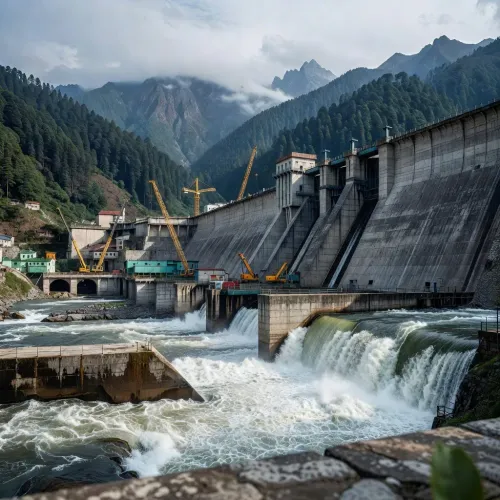
The Dhaulasidh Hydroelectric Project is a 66 MW run-of-river hydropower project being constructed by SJVN Limited on the Beas river in Himachal Pradesh. The Sukhu government wants to bring it under direct state control.
Why does Himachal Pradesh want to take over SJVN projects?
Himachal Pradesh has periodically sought greater operational and revenue control over hydroelectric assets that central public sector undertakings build within the state. Direct ownership allows the state to retain a larger share of power and revenues from its own river resources.
What is the Rangrik solar project in Spiti?
The Rangrik solar project is a 2 MW solar installation in the Spiti valley, Himachal Pradesh, being developed with a 1 MWh battery energy storage system to ensure reliable electricity supply during the high-altitude winter months.
What is the Pooh-Samdo-Kaza transmission line?
It is a 66 kV transmission line under construction connecting Pooh to Samdo and Samdo to Kaza in Himachal Pradesh's remote Spiti valley region, intended to strengthen the electricity grid for communities cut off during winter.
What is SJVN Limited and what is its link to Himachal Pradesh?
SJVN Limited is a central public sector undertaking incorporated in 1988 as a joint venture between the Government of India and the Himachal Pradesh government to develop the state's hydroelectric resources, making it a key player in the state's power sector.