HP CM Office Reviews 66 MW Dhaulasidh Project Transfer from SJVN
Synopsis
Himachal Pradesh's CMO chaired an energy department review on Sep 30, 2026, examining a proposal to transfer the 66 MW Dhaulasidh Hydro Electric Project on the Beas river from SJVNL to direct state government control — a move that could reshape the hill state's hydropower revenue model.
Key Takeaways
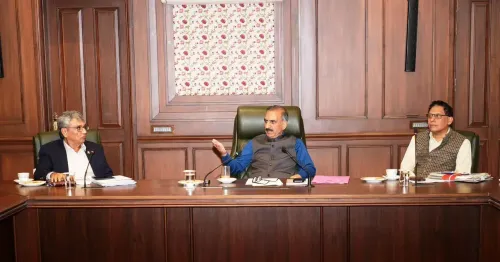
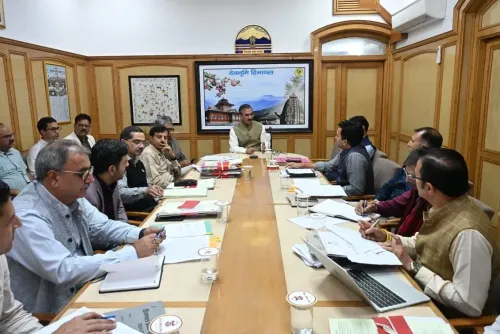
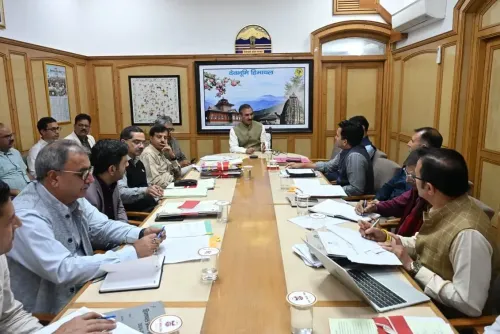
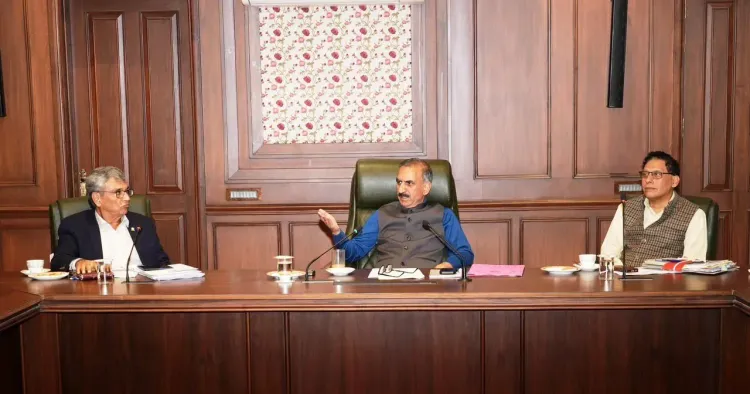
The Chief Minister's Office of Himachal Pradesh chaired a review meeting of the Multi-Purpose Projects and Energy Department on 30 September 2026 .
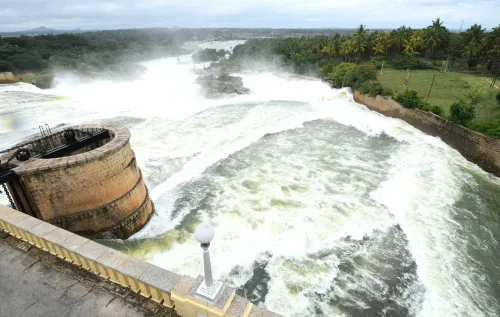
The meeting discussed bringing the 66 MW Dhaulasidh Hydro Electric Project on the Beas river under direct state government control.
The project is currently under construction by Satluj Jal Vidyut Nigam Limited (SJVNL) , a joint central-state PSU incorporated in 1988 .
Any transfer would require formal cabinet or board-level decisions, including asset valuation and power-purchase adjustments.
The move reflects Himachal Pradesh's broader push to convert river resources into direct revenue rather than royalty income from centrally-managed projects.
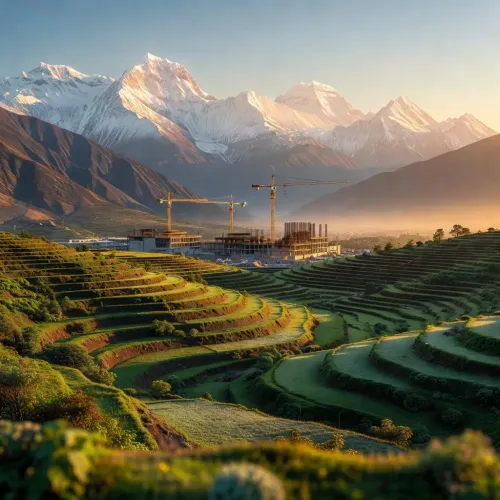
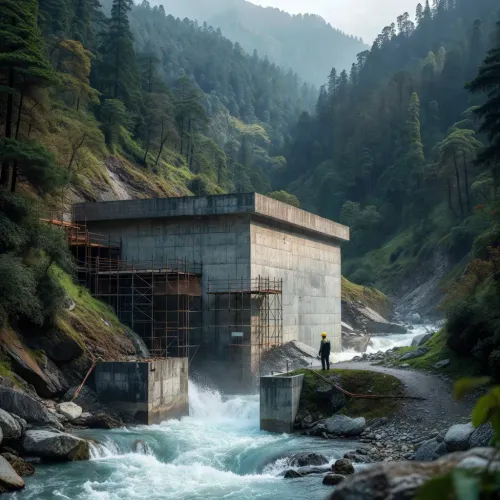
A 66 MW hydroelectric project on the Beas river is at the centre of a significant power-sector move in Himachal Pradesh — the state government is exploring bringing the Dhaulasidh Hydro Electric Project, currently under construction by Satluj Jal Vidyut Nigam Limited (SJVNL), under its own direct control. The Chief Minister's Office of Himachal Pradesh announced on Wednesday, 30 September 2026 that a review meeting of the Multi-Purpose Projects and Energy Department was chaired, with the proposed transfer forming the central agenda item.
What the review meeting placed on the table
The post states that the meeting examined a proposal to bring the Dhaulasidh Hydro Electric Project — a run-of-river scheme of 66 megawatt capacity being built by SJVNL on the Beas river — under the state government's jurisdiction. The Multi-Purpose Projects and Energy Department chaired the session, signalling that this is a formal departmental deliberation, not a preliminary conversation. Any transfer of this scale would require decisions at the cabinet or board level, including asset valuation and likely renegotiation of power-purchase arrangements.
SJVNL's role and the Dhaulasidh project's significance
SJVNL is a public sector undertaking jointly promoted by the Government of India and Himachal Pradesh, with hydropower in the state as its core mandate. The company was incorporated in 1988 primarily to execute the landmark 1,500 MW Nathpa Jhakri project on the Sutlej, which established the template for central-state joint hydropower development in the hills. The Dhaulasidh project sits on the Beas river — one of the five rivers of Punjab, threading through the Beas valley and hosting multiple existing and planned hydroelectric schemes.
At 66 MW, Dhaulasidh is a medium-scale scheme, but its strategic value to the state lies in what it represents: direct control over generation assets, revenue optimisation, and alignment with local energy priorities rather than central-sector timelines.
Himachal's long-running push to maximise river revenues
This review fits a consistent pattern in Himachal Pradesh's energy policy. The state has historically depended on royalty payments and free power from centrally-assigned hydropower projects, but periodic reviews of schemes allotted to SJVNL and other public sector undertakings reflect a sharper ambition: to move from passive royalty recipient to active operator. Similar deliberations have occurred for other medium-scale schemes across the Beas and Sutlej basins. With hydropower forming a critical pillar of the hill state's fiscal architecture, any shift in ownership structure carries real budgetary weight.
The formal outcome — whether a cabinet decision, a fresh inter-government negotiation, or a postponement — will determine whether Dhaulasidh becomes the next chapter in that ambition.
Point of View
Where rivers are the primary natural capital, the shift from royalty recipient to project operator represents a meaningful upgrade in fiscal agency. The move also tests the limits of centre-state co-ownership models built in an earlier era of infrastructure scarcity. If the transfer proceeds, it could embolden other hill states to renegotiate similar central-sector assignments.
NationPress
1 Oct 2026
Frequently Asked Questions
What is the Dhaulasidh Hydro Electric Project?
The Dhaulasidh Hydro Electric Project is a 66 MW run-of-river hydroelectric scheme being built by SJVNL on the Beas river in Himachal Pradesh. It is currently under construction and is now being considered for transfer to direct state government control.
Why does Himachal Pradesh want to take over the Dhaulasidh project from SJVNL?
Himachal Pradesh wants direct control to maximise revenue from its river resources — shifting from receiving royalties from a central PSU to directly operating and benefiting from the project's power generation.
What is SJVNL and who owns it?
Satluj Jal Vidyut Nigam Limited (SJVNL) is a public sector undertaking jointly promoted by the Government of India and Himachal Pradesh , established in 1988 to develop hydropower in the state, starting with the 1,500 MW Nathpa Jhakri project.
What happens next after the review meeting?
A formal cabinet or board-level decision will be needed to proceed with any transfer, including asset valuation and potential renegotiation of power-purchase agreements between SJVNL and the state.
Which river is the Dhaulasidh project located on?
The Dhaulasidh project is located on the Beas river , one of the five rivers of Punjab flowing through Himachal Pradesh and host to multiple existing and planned hydroelectric schemes.