HP CM Office moves to acquire Sunni, Luhri, Dhaulasidh projects
Synopsis
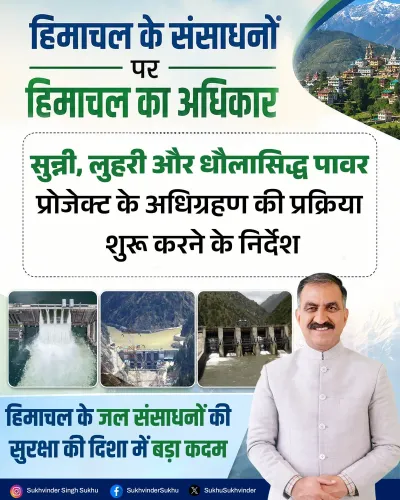
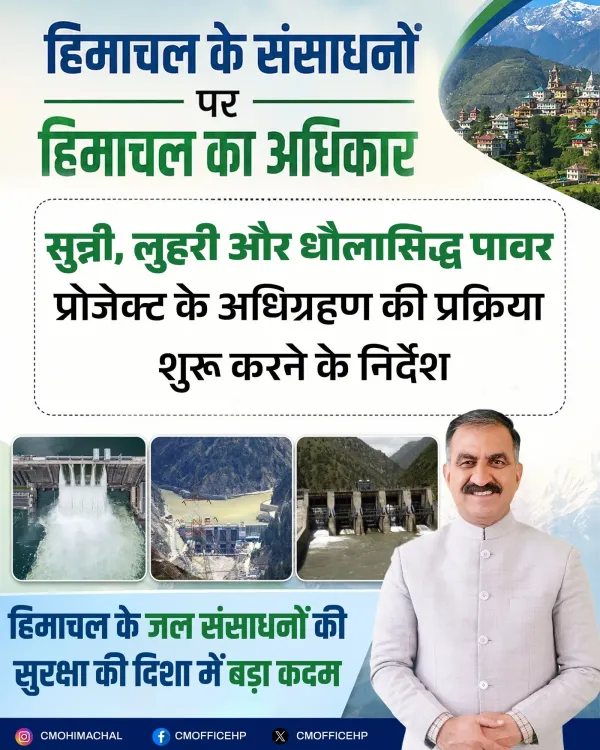
The Himachal Pradesh government has announced it is moving to acquire the Sunni, Luhri, and Dhaulasidh hydroelectric projects, declaring that the state's natural wealth belongs to its people and that their interests remain the government's highest priority.
Key Takeaways
The Chief Minister's Office of Himachal Pradesh announced on 8 July 2026 that the state is pursuing acquisition of three hydroelectric projects .
The projects are Sunni (Sutlej river, Shimla district), Luhri (Sutlej river), and Dhaulasidh (Beas river system, Hamirpur district).
The government stated that Himachal's natural wealth is a trust held for the people of the state, not external entities.
This move continues Himachal Pradesh's long-standing policy of seeking greater state control and revenue share from hydropower assets within its borders.
Specific acquisition modalities, valuations, and counterparties have not yet been disclosed .
The outcome will affect state revenue , hydropower investment sentiment, and the broader pattern of resource governance among Himalayan states.
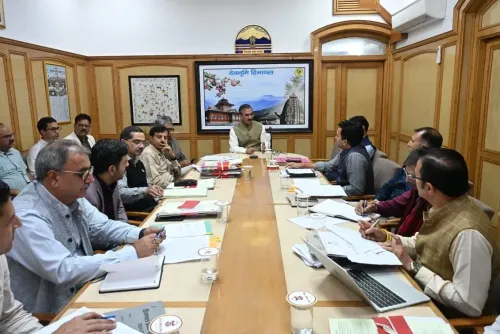
The Chief Minister's Office of Himachal Pradesh announced on Wednesday, 8 July 2026 that the state government is actively moving to acquire the Sunni, Luhri, and Dhaulasidh hydroelectric power projects, asserting that the state's natural wealth belongs solely to its people.
The post, shared from the official CMO account, stated in Hindi: 'हिमाचल की संपदा प्रदेश की जनता की अमानत है' ('Himachal's wealth is a trust held for the people of the state'), adding that rights over these resources belong exclusively to the state's 'hardworking and honest people.' The government described the interests, honour, and rights of the state as its 'highest priority.'
Context
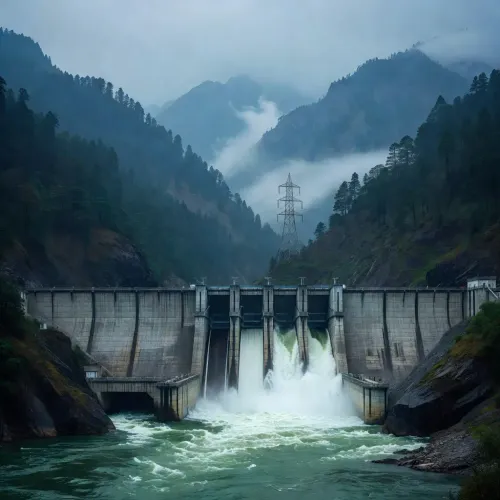
The three projects — Sunni, Luhri, and Dhaulasidh — are hydroelectric schemes situated across Himachal Pradesh's river basins. The Sunni Power Project is proposed on the Sutlej river in Shimla district, the Luhri Power Project also draws from the Sutlej, and the Dhaulasidh Power Project is located in Hamirpur district, tapping the Beas river system. Together, they represent a significant share of the state's untapped or partially developed hydropower potential.
The announcement marks a formal statement of intent by the Government of Himachal Pradesh to bring these projects under state control, though the specific acquisition modalities, valuations, and counterparties involved have not been detailed in the post.
Policy Backdrop
Himachal Pradesh has historically pursued a larger equity stake and higher revenue share from hydroelectric projects developed within its borders, particularly those executed by central public sector undertakings. The state derives a substantial portion of its revenue from hydropower, making control over these assets a politically and economically sensitive matter.
This pattern is consistent with a broader trend among Himalayan states — including Uttarakhand and Sikkim — that have sought to reclaim or renegotiate terms on river-based power projects to ensure local communities retain a greater share of the benefits. The current move signals that Himachal Pradesh's government is intensifying that long-standing position into active acquisition proceedings.
Stakeholders and Impact
The primary beneficiaries of a successful acquisition would be the residents of Himachal Pradesh, who the government argues are the rightful custodians of the state's natural resources. Greater state ownership could translate into higher royalties, direct revenue, and employment channelled back into the state exchequer rather than to external developers.
Hydropower companies and central agencies with existing interests in these projects would be the principal counterparties in any acquisition process. The outcome will also have implications for future investment sentiment in the state's energy sector, as developers weigh the regulatory environment before committing capital to new projects.
What's Next
The government's statement is a declaration of direction rather than a completed transaction. Formal acquisition proceedings would typically require memoranda of understanding, compensation frameworks, legal due diligence, and potentially regulatory clearances from central authorities.
Observers will watch for concrete next steps — including any cabinet decisions, legislative moves, or bilateral negotiations with central PSUs — that translate this political intent into binding agreements. How swiftly and smoothly the state navigates these processes will determine whether this assertion of resource sovereignty becomes a template for future hydropower governance in the hill states.
Point of View
Framing hydropower acquisition in the language of public trust and people's rights — a formulation designed to make opposition politically costly. It fits squarely into the Congress-led Himachal government's broader posture of differentiating itself from central-sector control of the state's most valuable asset class. The choice to name all three projects simultaneously signals coordinated intent rather than opportunistic positioning. Whether the government can convert this rhetoric into completed acquisitions will be the defining test, given the legal and financial complexity of unwinding central PSU involvement in large infrastructure assets.
NationPress
6 Oct 2026
Frequently Asked Questions
What are the Sunni, Luhri, and Dhaulasidh power projects in Himachal Pradesh?
These are three hydroelectric projects in Himachal Pradesh: Sunni and Luhri are on the Sutlej river, with Sunni located in Shimla district, while Dhaulasidh is in Hamirpur district on the Beas river system. The state government is now moving to acquire all three.
Why is Himachal Pradesh trying to acquire these hydropower projects?
The state government argues that Himachal's natural resources are a public trust belonging to its residents. Acquiring these projects would give the state greater control over revenue, royalties, and employment generated by its river-based power assets.
Has Himachal Pradesh done this kind of hydropower acquisition before?
Himachal Pradesh has a long history of seeking higher equity stakes and revenue shares from hydroelectric projects built by central agencies within the state, but a formal move to acquire multiple projects simultaneously is a significant escalation of that policy.
What happens next after the HP government's acquisition announcement?
The next steps would typically include formal negotiations with existing project stakeholders, memoranda of understanding, compensation frameworks, legal proceedings, and regulatory clearances before any acquisition is completed.
How does this affect electricity consumers or investors in Himachal Pradesh?
A successful acquisition could increase state revenue and local benefits from hydropower, but it may also affect investor confidence in the state's energy sector if developers perceive greater regulatory or acquisition risk for future projects.