Jal Shakti Minister Paatil highlights Ahmedabad rainwater harvesting push
Synopsis
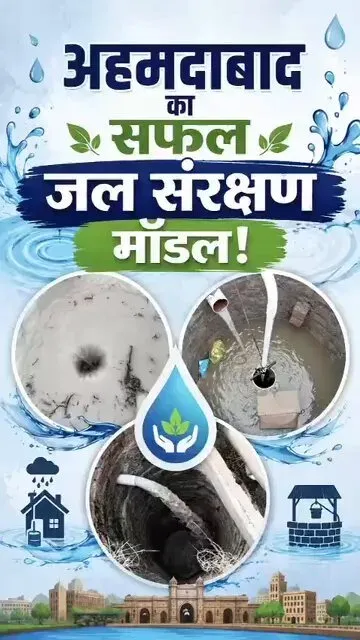
Union Jal Shakti Minister C. R. Paatil shared a video on 8 July 2026 showcasing rainwater harvesting and groundwater recharge structures in Ahmedabad district, underlining PM Modi's public-participation water conservation drive and its dual benefit for aquifer levels and farmer crop protection.
Key Takeaways
Union Jal Shakti Minister C.
Paatil posted a video on 8 July 2026 highlighting monsoon rainwater harvesting structures in Ahmedabad district, Gujarat .
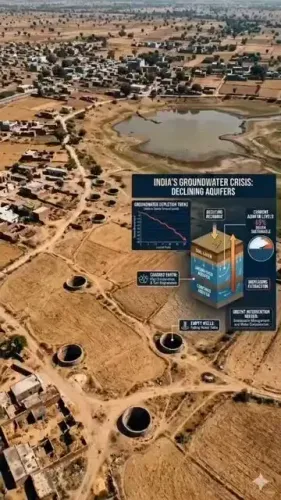
The structures serve a dual purpose: boosting groundwater recharge and reducing waterlogging in agricultural fields, protecting farmers' crops.
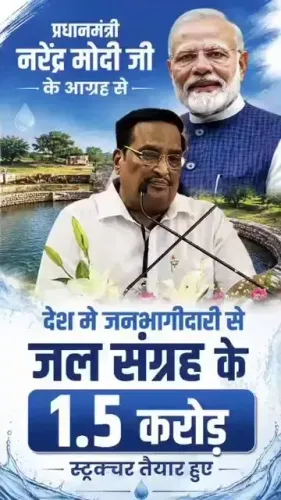
The effort is framed as an expression of PM Narendra Modi 's vision of water conservation as a mass jan bhagidari (public participation) movement.
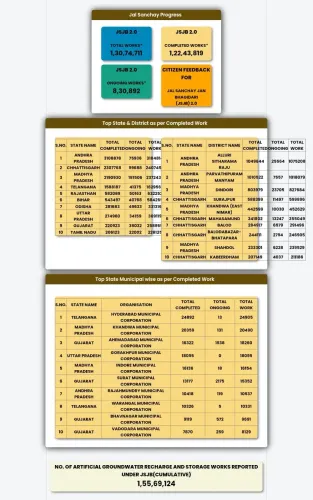
The post is tagged under the Catch the Rain campaign and #JalSanchayJanBhagidari , both Ministry of Jal Shakti initiatives.
The Catch the Rain campaign has been active nationally since 2021 , building on the Jal Shakti Abhiyan launched in 2019 .
The Central Ground Water Board 's upcoming 2026-27 assessments will be a key indicator of whether such recharge efforts are producing measurable aquifer recovery.
Union Jal Shakti Minister C. R. Paatil on Wednesday, 8 July 2026, shared a video showcasing rainwater harvesting and groundwater recharge structures built across Ahmedabad district during the ongoing monsoon season, crediting Prime Minister Narendra Modi's vision of making water conservation a mass public-participation movement.
Context
Posting under the hashtags #JalSanchayJanBhagidari and #CatchTheRain, Minister Paatil described how structures built for rainwater harvesting and groundwater recharge are channelling monsoon water into the earth. In his words, 'varsha jal ki har boond ka sahi upyog' — 'the right use of every drop of rainwater' — is proving beneficial for both farmers and society at large.
The post notes a dual benefit: accelerated groundwater recharge and a reduction in waterlogging in agricultural fields, which has helped protect standing crops from damage. The video offers a ground-level glimpse of these decentralised water structures in action during the 2026 monsoon.
Policy Backdrop
The post is rooted in two flagship central initiatives. The Jal Shakti Abhiyan, launched in 2019, targeted water-stressed districts through convergence of schemes to promote conservation and recharge. Building on that foundation, the Catch the Rain campaign was rolled out nationally in 2021 by the Ministry of Jal Shakti, urging states and communities to construct rainwater harvesting assets before and during each monsoon season.
Gujarat has historically been a pioneer in decentralised water management, with check-dam and tanka (underground tank) models developed at the state level well before these national campaigns. The Ahmedabad district effort highlighted by Minister Paatil sits within that longer tradition, now amplified by central funding and policy support.
Stakeholders and Impact
Farmers are identified as the primary beneficiaries in the post, with waterlogging — a recurring monsoon hazard that damages root systems and reduces yields — cited as a problem that the new structures are helping to mitigate. Rural communities dependent on groundwater for drinking and irrigation stand to gain from improved aquifer levels over successive seasons.
The broader policy rationale is that decentralised, community-built structures spread the recharge load across a watershed, reducing dependence on large dams or centralised infrastructure. When communities participate in construction and maintenance, the assets also tend to have longer operational lifespans.
What's Next
The Central Ground Water Board is expected to publish groundwater-level assessments for 2026-27 that will provide measurable data on whether monsoon recharge efforts across Gujarat and other states have translated into aquifer recovery. Those findings could inform state-level replication guidelines ahead of the 2027 pre-monsoon campaign cycle.
Minister Paatil's post signals that the Jal Shakti Ministry intends to keep public attention focused on community-led water conservation as a year-round policy priority, not merely a seasonal campaign, reinforcing the ministry's push to institutionalise the jan bhagidari (public participation) model in water governance.
Point of View
Using ground-level visuals from Gujarat to reinforce the narrative that central water-conservation campaigns are producing tangible, farmer-friendly outcomes. By attributing the effort explicitly to PM Modi's resolve, the messaging performs a dual function: celebrating local implementation while anchoring credit at the national leadership level. The timing — mid-monsoon, when water stress and waterlogging are simultaneously in public consciousness — is politically astute. More substantively, the post continues a pattern in which the Jal Shakti Ministry uses social media to build a cumulative public record of decentralised water infrastructure, which could serve as evidence in future policy evaluations or pre-election narratives around rural welfare.
NationPress
8 Jul 2026
Frequently Asked Questions
What did Jal Shakti Minister C. R. Paatil post about on 8 July 2026?
Minister C. R. Paatil shared a video highlighting rainwater harvesting and groundwater recharge structures built in Ahmedabad district during the 2026 monsoon, noting their benefits for farmers and groundwater levels.
What is the Catch the Rain campaign?
Catch the Rain is a national campaign launched in 2021 by the Ministry of Jal Shakti that encourages states and communities to build rainwater harvesting structures before and during the monsoon season to boost groundwater recharge.
How does rainwater harvesting help farmers in Ahmedabad?
According to Minister Paatil's post, the structures reduce waterlogging in agricultural fields during heavy rains, protecting standing crops from damage, while also recharging groundwater that farmers depend on for irrigation.
What is the Jal Shakti Abhiyan?
The Jal Shakti Abhiyan is a central government campaign launched in 2019 to promote water conservation and groundwater recharge in water-stressed districts through convergence of multiple government schemes.
What is #JalSanchayJanBhagidari?
#JalSanchayJanBhagidari translates to 'water conservation through public participation' and is a Ministry of Jal Shakti campaign hashtag used to promote community-led water conservation efforts across India.