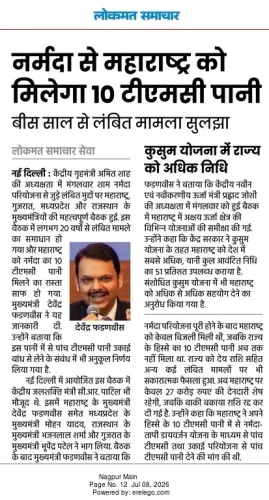
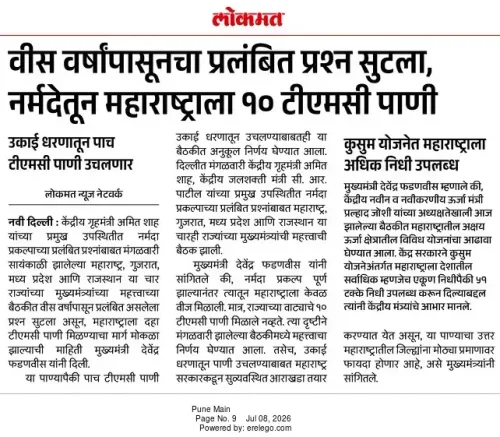
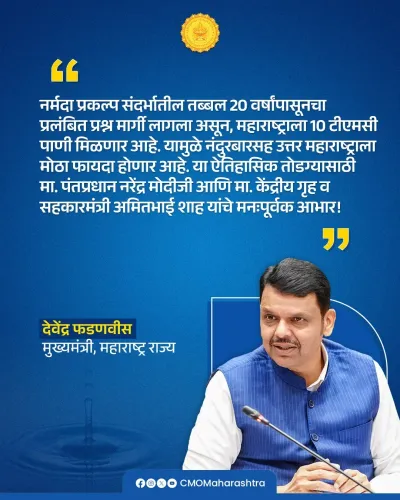
CM Fadnavis secures 10 TMC Narmada water for Maharashtra
Synopsis
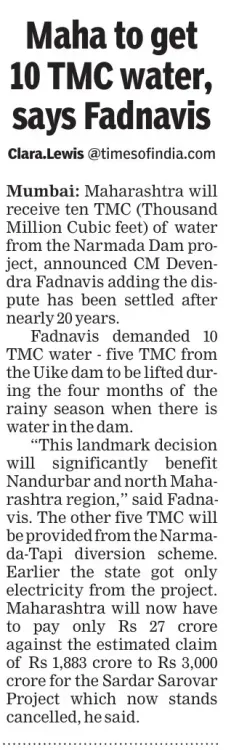
The Chief Minister's Office of Maharashtra announced on 8 July 2026 that CM Devendra Fadnavis has secured 10 TMC of water from the Narmada Project for the state, exceeding the tribunal-fixed baseline of around 9 TMC and offering relief to drought-prone north Maharashtra districts.
Key Takeaways
The Chief Minister's Office of Maharashtra announced on 8 July 2026 that Maharashtra will receive 10 TMC of water from the Narmada Project .
CM Devendra Fadnavis is credited with securing the allocation, which marginally exceeds the tribunal-fixed baseline of approximately 9 TMC (0.25 MAF) set by the Narmada Water Disputes Tribunal award of 1979 .
The primary beneficiaries are expected to be farmers and residents of drought-prone north Maharashtra districts who face chronic irrigation and drinking-water deficits.
The Sardar Sarovar Dam in Gujarat is the key infrastructure through which Narmada water is delivered to co-riparian states including Maharashtra.
Technical negotiations between Maharashtra and Gujarat irrigation departments on drawal points and cost-sharing are expected to follow the announcement.
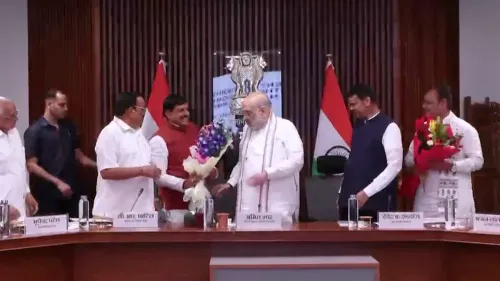
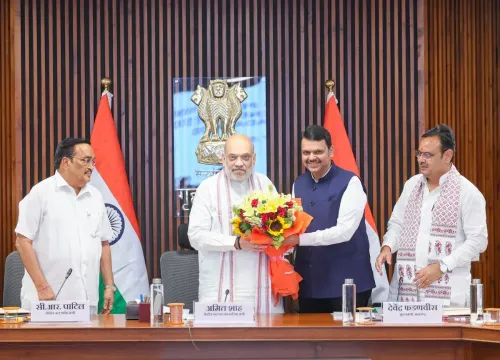
The Chief Minister's Office of Maharashtra announced on Wednesday, 8 July 2026 that the state is set to receive 10 TMC (thousand million cubic feet) of water from the Narmada Project, with Chief Minister Devendra Fadnavis credited with securing the allocation.
Context
The announcement, shared via the official CMO handle in a reply to CM Fadnavis's own account (@Dev_Fadnavis), signals a significant development in Maharashtra's long-running effort to draw its full entitlement from the Narmada river system. The Narmada Water Disputes Tribunal, constituted in 1969 and delivering its final award in 1979, had originally fixed Maharashtra's share at approximately 0.25 MAF (around 9 TMC) from the Sardar Sarovar reservoir. The latest figure of 10 TMC represents a marginal but politically significant increment over that baseline entitlement.
The Sardar Sarovar Dam, located in Gujarat, is the principal structure of the Narmada Project and forms the physical basis for water deliveries to co-riparian states including Maharashtra, Madhya Pradesh, and Rajasthan. A Supreme Court order in 2006 permitted raising the dam height to 121.92 metres, enabling fuller utilisation of allocated shares.
Policy Backdrop
Maharashtra governments since 2014 have repeatedly sought additional drawal from the Narmada to address chronic deficits in the Tapi and Godavari river basins, particularly in drought-prone districts of north Maharashtra. CM Fadnavis, who first held office from 2014 to 2019 and returned to power thereafter, has consistently flagged interstate water-sharing as a priority concern for the state's agricultural and drinking-water security.
Interstate river projects in India require continuous administrative coordination because original tribunal awards offer limited flexibility against changing demographic and agricultural demands. Rather than reopening full tribunal proceedings — a lengthy and contentious process — states typically seek incremental transfers or revised operating rules, the approach Maharashtra appears to have pursued in this instance.
Stakeholders and Impact
The primary beneficiaries of additional Narmada water are expected to be farmers in north Maharashtra, a region that has historically faced acute irrigation deficits and recurring drought declarations. Irrigation officials in these districts have long sought augmentation of local river basins through inter-basin transfers linked to the Narmada canal network.
Beyond agriculture, the additional allocation carries implications for drinking water supply in water-stressed urban and semi-urban centres of the region. Any increase in water availability in these districts could reduce dependence on groundwater extraction and ease pressure on existing reservoirs.
What's Next
Announcements of this nature typically precede technical negotiations between state irrigation departments on drawal points, measurement protocols, and cost-sharing arrangements. Follow-up meetings between Maharashtra and Gujarat irrigation officials on canal linkages and metering infrastructure will be closely watched.
A supplementary memorandum of understanding or a revised reservoir operation schedule between the concerned states may follow as the administrative groundwork for actualising the 10 TMC allocation is put in place. The development will be a key indicator of whether CM Fadnavis's intervention translates into water reaching fields and taps in north Maharashtra within the current agricultural cycle.
Point of View
Who has staked political capital on delivering infrastructure outcomes in north Maharashtra, the 10 TMC figure — however it is ultimately operationalised — serves as a tangible headline ahead of what are likely to be complex technical follow-through negotiations. The broader arc here is India's mounting interstate water stress: as climate variability intensifies, states are increasingly pressing against the limits of awards designed for a different demographic and agricultural reality. Whether this announcement accelerates a durable drawal mechanism or remains a political signal will depend entirely on the engineering and inter-departmental coordination that follows.
NationPress
8 Jul 2026
Frequently Asked Questions
What is the Narmada Project and why does it matter for Maharashtra?
The Narmada Project refers to the network of dams and canals centred on the Sardar Sarovar Dam in Gujarat , built on the Narmada river to provide irrigation, hydropower, and drinking water to four states. Maharashtra's share, fixed at around 9 TMC by the Narmada Water Disputes Tribunal in 1979 , is critical for drought-prone districts in the north of the state.
How much Narmada water was Maharashtra getting before this announcement?
The Narmada Water Disputes Tribunal award of 1979 fixed Maharashtra's entitlement at approximately 0.25 MAF, or around 9 TMC , from the Sardar Sarovar reservoir. The new announcement by CM Devendra Fadnavis indicates the state will now receive 10 TMC .
Which districts in Maharashtra will benefit from the additional Narmada water?
The additional Narmada water allocation is expected to primarily benefit farmers and residents in north Maharashtra , a region historically affected by drought, irrigation deficits, and pressure on groundwater resources.
What happens after a state secures a water allocation from an interstate river project?
After a political announcement, the concerned state irrigation departments typically hold technical negotiations on drawal points, measurement devices, and cost-sharing arrangements. A supplementary memorandum of understanding or revised reservoir operation schedule between the states usually follows before water actually reaches the fields.
Who announced that Maharashtra will get 10 TMC of Narmada water?
The Chief Minister's Office of Maharashtra made the announcement on 8 July 2026 , attributing the development to Chief Minister Devendra Fadnavis , who has repeatedly highlighted interstate water-sharing as a priority for the state.