CM Mohan Yadav Hails Modi-Prabowo Visit to Prambanan Temple
Synopsis
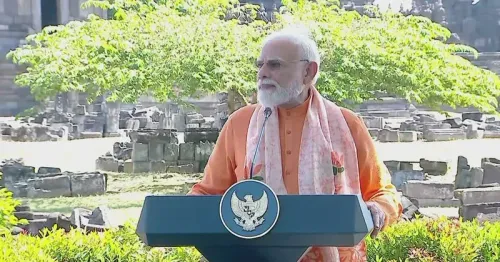
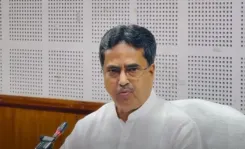
Madhya Pradesh CM Dr. Mohan Yadav hailed PM Narendra Modi and Indonesian President Prabowo Subianto for visiting and inaugurating a restoration project at the UNESCO-listed Prambanan Shiva Temple in Yogyakarta on 8 July 2026, calling it a strengthening of the spiritual and cultural bridge between India and Indonesia.
Key Takeaways
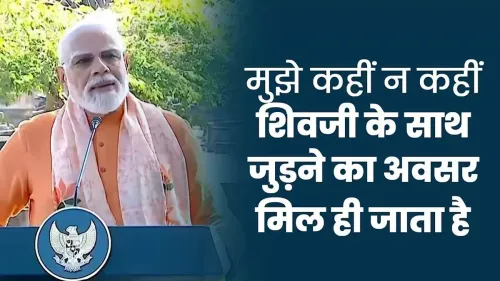
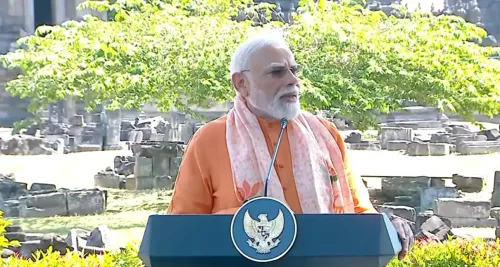
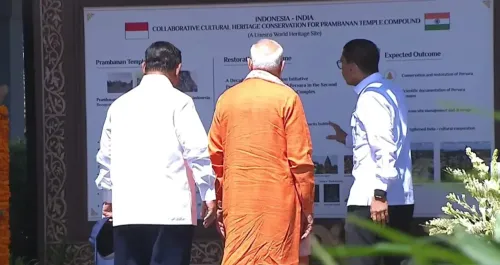
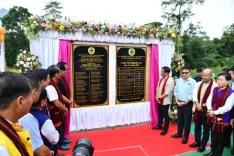
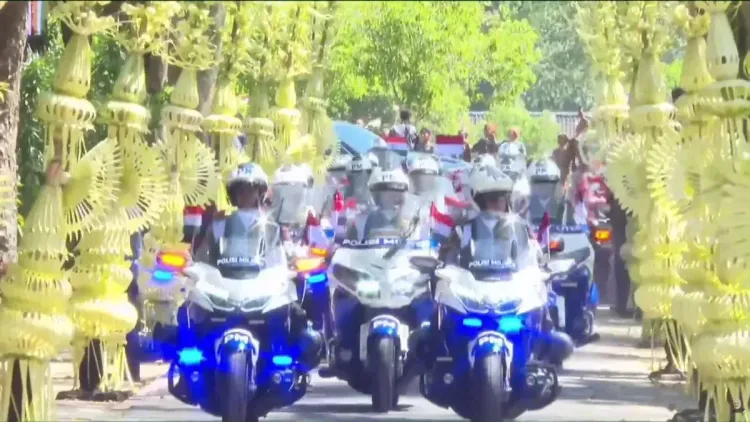
PM Narendra Modi and Indonesian President Prabowo Subianto jointly inaugurated a restoration project at the Prambanan Shiva Temple in Yogyakarta, Indonesia on 8 July 2026 .
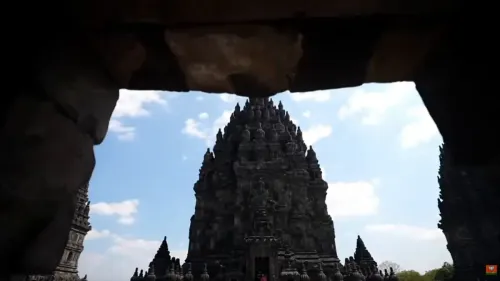
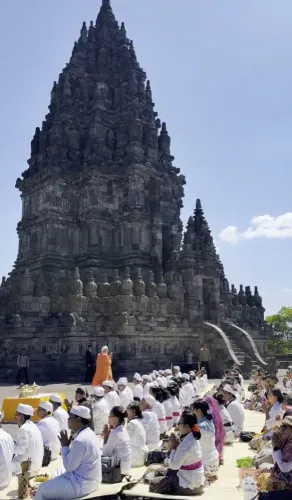
The Prambanan Temple is a 9th-century Hindu temple complex and a UNESCO World Heritage Site , regarded as a landmark of Indian civilisational influence in Southeast Asia.
MP Chief Minister Dr.
Mohan Yadav described the temple as a 'living witness to Indian culture and ancient civilisation' and praised the project as a cultural and spiritual bridge between the two nations.
The initiative aligns with India's Act East Policy , which uses shared Hindu-Buddhist heritage as a pillar of cultural diplomacy across Southeast Asia.
India and Indonesia have maintained diplomatic relations since 1949 , with cultural cooperation rooted in their shared civilisational heritage.
Follow-up joint statements and potential new agreements on heritage conservation and people-to-people ties are expected from the bilateral meeting.
Madhya Pradesh Chief Minister Dr. Mohan Yadav on Wednesday, 8 July 2026 lauded Prime Minister Narendra Modi and Indonesian President Prabowo Subianto for jointly inaugurating a restoration project at the Prambanan Shiva Temple in Yogyakarta, Indonesia — a UNESCO World Heritage Site that stands as a living testament to ancient Indian civilisational influence in Southeast Asia.
Context
Dr. Yadav's post, written in Hindi, described the Prambanan Temple as a 'reflection of the rich cultural heritage of India and Indonesia.' He noted that Prime Minister Modi and President Prabowo visited the Prambanan Shiv Mandir (Prambanan Shiva Temple) — a UNESCO World Heritage Site located in Yogyakarta — and inaugurated a restoration project there. The Chief Minister called the temple not merely a place of worship but a 'living witness to Indian culture and ancient civilisation.'
The Prambanan Temple complex is a 9th-century Hindu temple compound widely regarded as one of the finest examples of Indian architectural influence in Southeast Asia. Its scale, iconography, and dedication to the Hindu trinity — particularly Lord Shiva — reflect deep historical ties between the Indian subcontinent and the Indonesian archipelago.
Policy Backdrop
India and Indonesia established diplomatic relations in 1949, with cultural cooperation rooted in their shared Hindu-Buddhist heritage forming a consistent thread across decades of bilateral engagement. Prime Minister Modi has previously visited Indonesia for multilateral forums, using such occasions to reinforce civilisational linkages alongside strategic and economic agendas.
The inauguration fits squarely within India's Act East Policy, which prioritises people-to-people ties and cultural diplomacy across Southeast Asia. Joint heritage conservation projects at sites with direct Indian cultural lineage have become a signature instrument of this approach, signalling continuity beyond government-to-government agreements.
Stakeholders and Impact
Heritage conservation experts, archaeological institutions in both countries, and the diplomatic communities in New Delhi and Jakarta are the primary stakeholders in the restoration initiative. For Indonesia, the project represents international investment in a site central to its own national identity and tourism economy.
For India, the Prambanan restoration reinforces its image as a responsible steward of shared civilisational heritage — a soft-power argument that resonates across the broader Indo-Pacific framework. Leaders from Madhya Pradesh, a state with its own deep reservoir of ancient Hindu temple architecture, have particular cultural resonance in amplifying such messaging.
What's Next
Observers will watch for a formal joint statement from the Modi-Prabowo meeting detailing the scope, funding, and timeline of the Prambanan restoration project. Any announcements at the ASEAN level or through bilateral cultural agreements could set a precedent for similar India-led conservation partnerships at heritage sites across Southeast Asia.
The visit is expected to generate follow-up diplomatic activity, potentially including new memoranda of understanding on cultural cooperation, people-to-people exchange programmes, and expanded collaboration under the India-Indonesia Comprehensive Strategic Partnership.
Point of View
The optics of standing at a 9th-century Shiva temple alongside Indonesia's president reinforces the 'Vasudhaiva Kutumbakam' narrative that has become central to his foreign policy branding. CM Yadav's amplification from Madhya Pradesh — itself home to iconic temple heritage — is deliberate, connecting local cultural pride to national diplomatic achievement. Analysts will watch whether this restoration becomes a replicable template for India-led conservation diplomacy at other Hindu-Buddhist heritage sites across Southeast Asia.
NationPress
7 Oct 2026
Frequently Asked Questions
What is the Prambanan Temple and why is it significant for India?
The Prambanan Temple is a 9th-century Hindu temple complex in Yogyakarta, Indonesia, and a UNESCO World Heritage Site. It is significant for India because its architecture, iconography, and dedication to Lord Shiva reflect the deep historical spread of Indian civilisation and culture into Southeast Asia.
What did PM Modi do at the Prambanan Temple in Indonesia?
Prime Minister Narendra Modi, alongside Indonesian President Prabowo Subianto, visited the Prambanan Shiva Temple in Yogyakarta and inaugurated a restoration project at the UNESCO World Heritage Site on 8 July 2026.
Why did MP CM Mohan Yadav post about PM Modi's Indonesia visit?
Madhya Pradesh Chief Minister Dr. Mohan Yadav posted to praise the joint visit and restoration inauguration, calling Prambanan a living witness to Indian culture and describing the project as strengthening the spiritual and cultural bridge between India and Indonesia.
What is India's Act East Policy and how does Prambanan fit into it?
India's Act East Policy prioritises strategic, economic, and cultural engagement with Southeast Asian nations. The Prambanan restoration project exemplifies its cultural diplomacy strand, using shared Hindu-Buddhist heritage to deepen people-to-people ties with Indonesia.
What is the history of India-Indonesia diplomatic relations?
India and Indonesia established diplomatic relations in 1949. Their bilateral ties have long been rooted in shared Hindu-Buddhist heritage, and the relationship was elevated to a Comprehensive Strategic Partnership, with cultural cooperation remaining a consistent pillar.