Jal Shakti Minister Paatil backs injection wells for groundwater recharge

Synopsis
Union Jal Shakti Minister C. R. Paatil on 25 June 2026 highlighted injection wells as a scientific method to recharge deep aquifers under PM Modi's Catch the Rain campaign, signalling a push to blend modern technology with India's mass water conservation movement.
Key Takeaways
Union Jal Shakti Minister C.
Paatil endorsed injection wells as a modern tool for groundwater recharge on 25 June 2026 .
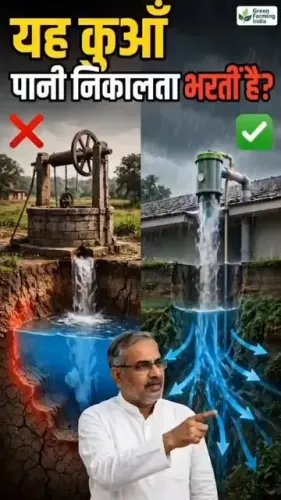
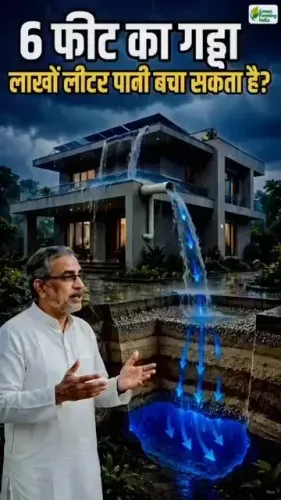
Injection wells purify rainwater and channel it directly into deep aquifers, making them suitable for hard-rock and urban terrain where surface infiltration is limited.
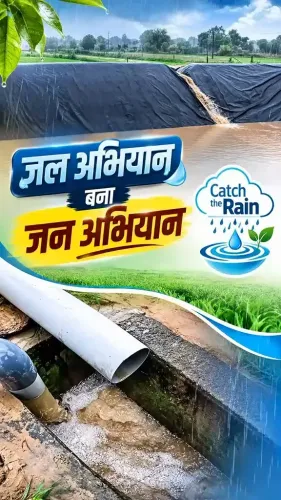
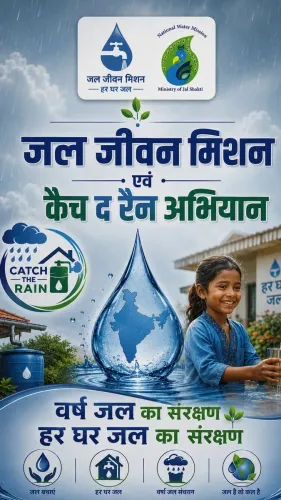
The push is framed as an extension of PM Modi 's Catch the Rain campaign, launched in 2021 under the Jal Shakti Abhiyan .
The Jal Shakti Abhiyan was initiated in 2019 targeting 1,592 water-stressed blocks across India.
Key implementing stakeholders include state water departments and urban local bodies responsible for deploying and maintaining the infrastructure.
Scaling of injection well networks and measurable changes in groundwater levels will be closely watched by policy analysts in the months ahead.
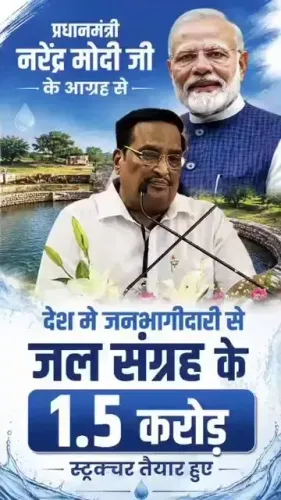
Union Jal Shakti Minister C. R. Paatil on Thursday, 25 June 2026, highlighted the growing use of modern technologies — particularly injection wells — to advance Prime Minister Narendra Modi's 'Catch the Rain' campaign and the broader goal of turning water conservation into a mass movement across India.
Context
In his post on X, Minister Paatil described injection wells as a 'scientific and modern system' that effectively purifies rainwater and safely channels it to deep groundwater levels, thereby promoting groundwater recharge and strengthening future water security. The minister framed this technological push as a direct extension of PM Modi's resolve to make water conservation a 'jan andolan' (people's movement).
The post came during the active monsoon preparedness window, when the Ministry of Jal Shakti typically intensifies outreach under the annual Catch the Rain campaign, urging states and urban local bodies to create rainwater harvesting infrastructure before and during the rainy season.
Policy Backdrop
The Catch the Rain campaign was launched in 2021 as an extension of the Jal Shakti Abhiyan, which itself was initiated in 2019 to address water stress in 1,592 identified blocks across India. The Abhiyan brought together central ministries, state governments, district administrations, and community groups to create and restore water conservation structures.
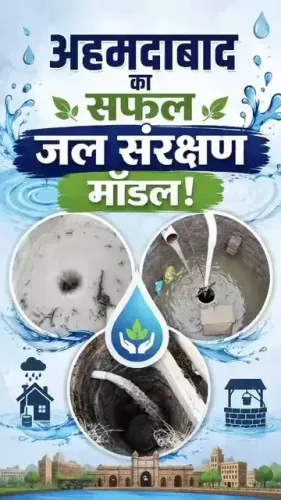
Injection wells represent a more technically sophisticated intervention within this broader framework. Unlike conventional percolation tanks or check dams that rely on surface infiltration, injection wells treat rainwater and direct it into deep aquifers through a controlled borehole system, making them particularly suitable for hard-rock terrain and dense urban areas where natural percolation is limited.
India's groundwater crisis has deepened over decades, with over-extraction for agriculture and urban use outpacing natural recharge in many regions. The Ministry of Jal Shakti, formed in 2019 by merging the ministries of Water Resources and Drinking Water and Sanitation, was specifically constituted to bring integrated policy focus to this challenge.
Stakeholders and Impact
Farmers stand to benefit most directly from improved groundwater recharge, as agricultural borewells in water-stressed districts often run dry during lean seasons. State water departments and urban local bodies are the primary implementing agencies responsible for deploying and maintaining injection well infrastructure at the field level.
For urban residents, particularly in cities built on hard geological formations, injection wells offer a viable path to reducing dependence on distant surface water sources. The technology also aligns with India's climate adaptation commitments, as erratic monsoon patterns make efficient capture of available rainfall increasingly critical.
What's Next
The ministry's emphasis on injection wells signals an intent to scale up scientifically validated groundwater recharge methods alongside community-based structures. Analysts and water policy experts will watch for state-level action plans detailing how injection well networks will be expanded, and for any mid-term assessments of groundwater level changes in districts where the technology has been deployed under the Catch the Rain umbrella.
As the 2026 monsoon season advances, the pace at which states translate this ministerial push into on-ground infrastructure will be a key indicator of whether modern recharge technology can meaningfully complement India's long-running community water conservation effort.
Point of View
Reinforcing the Centre's narrative of scientific governance in the water sector. The explicit mention of injection wells — a relatively specialised technique — suggests the ministry is preparing the ground for a broader policy push to mainstream the technology across states. This also reflects a broader pattern in which the Jal Shakti Ministry has sought to layer modern, verifiable methods onto the community-participation framework of the Jal Shakti Abhiyan, lending it greater technical credibility. The timing, ahead of peak monsoon, is deliberate: it primes state administrations and urban local bodies to act while rainfall is available for capture.
NationPress
24 Sept 2026
Frequently Asked Questions
What is an injection well and how does it help groundwater recharge?
An injection well is a borehole system that treats rainwater and directs it into deep aquifers, bypassing slow surface infiltration. It is particularly effective in hard-rock terrain and urban areas, making it a useful tool for groundwater recharge where conventional methods are less efficient.
What is the Catch the Rain campaign?
Catch the Rain is a nationwide campaign launched in 2021 under the Jal Shakti Abhiyan, encouraging communities, states, and urban local bodies to create rainwater harvesting structures so that rain is captured where it falls rather than being lost as runoff.
What did Jal Shakti Minister C. R. Paatil say about water conservation?
Minister C. R. Paatil stated on 25 June 2026 that modern technologies such as injection wells are increasingly being used to fulfil PM Modi's resolve to make water conservation a mass movement, and that these systems effectively recharge deep groundwater levels.
What is the Jal Shakti Abhiyan?
The Jal Shakti Abhiyan is a central government initiative launched in 2019 to promote water conservation and management in 1,592 water-stressed blocks across India, bringing together multiple ministries, state governments, and local communities.
Why is groundwater recharge important for India?
India faces severe groundwater depletion due to over-extraction for agriculture and urban use. Recharging aquifers through methods like injection wells and percolation tanks is critical to ensuring water security for farmers, cities, and future generations, especially as climate change makes monsoon patterns more erratic.