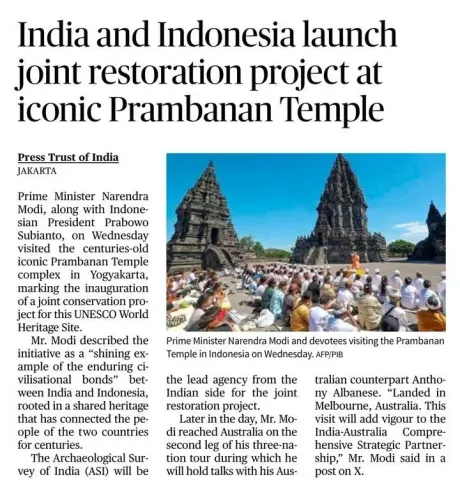
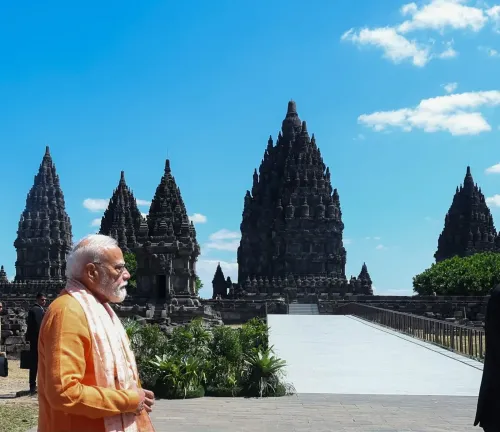
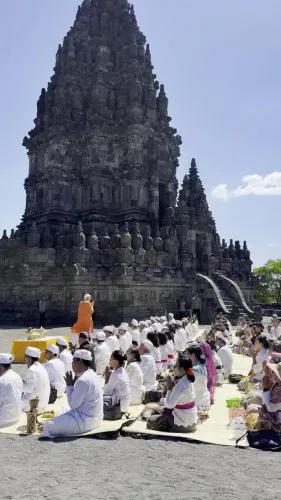
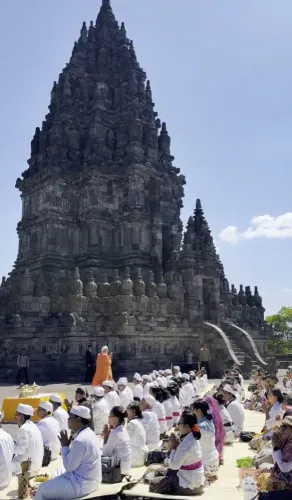
CM Dhami Hails PM Modi's Prambanan Temple Visit as Cultural Milestone
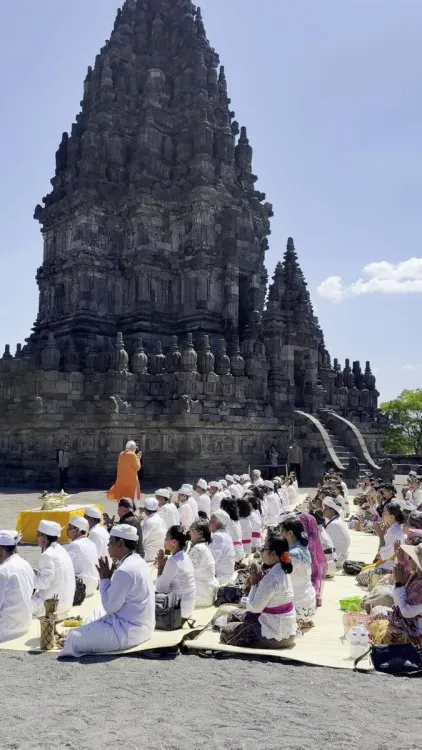
Synopsis
Uttarakhand CM Pushkar Singh Dhami hailed PM Narendra Modi's worship at Indonesia's ancient Prambanan Temple on 8 July 2026, calling it a powerful symbol of centuries-old India-Indonesia cultural and spiritual ties rooted in the philosophy of Vasudhaiva Kutumbakam.
Key Takeaways
CM Pushkar Singh Dhami praised PM Modi's worship at Prambanan Temple in Indonesia on 8 July 2026 as a landmark cultural moment.
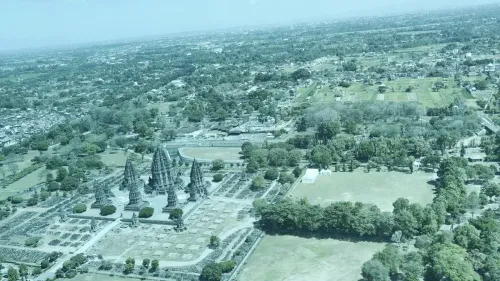
Prambanan is a 9th-century UNESCO-recognised Hindu temple complex in Central Java, Indonesia , tied to the Ramayana tradition.
Dhami invoked 'Vasudhaiva Kutumbakam' — the same theme India adopted for its G20 presidency in 2023 — to frame India's global diplomacy.
The visit aligns with India's Act East Policy , launched in 2014 , which deepens engagement with ASEAN nations through economic and cultural ties.
Potential next steps include agreements on joint temple conservation and a Ramayana Circuit tourism initiative linking India and Southeast Asia.
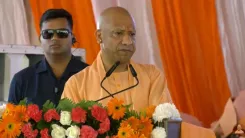
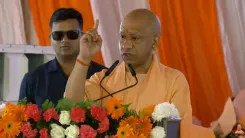
Uttarakhand Chief Minister Pushkar Singh Dhami on Wednesday, 8 July 2026, praised Prime Minister Narendra Modi's worship at the ancient Prambanan Temple in Indonesia, calling it a powerful symbol of centuries-old cultural and spiritual ties between the two nations.
Context
CM Dhami wrote on X that PM Modi's puja-archana (worship and offerings) at Prambanan was 'Bharat aur Indonesia ke sadiyon purane sanskritik evam adhyatmik sambandhon ka sashakt prateek' — 'a strong symbol of the centuries-old cultural and spiritual bonds between India and Indonesia.' The post accompanied a video and reflected the BJP leadership's practice of amplifying the Prime Minister's diplomatic engagements through cultural framing.
Prambanan is a 9th-century Hindu temple complex in Central Java, recognised by UNESCO and deeply associated with the Ramayana tradition. Its existence in the heart of the world's largest Muslim-majority nation underscores the deep pre-Islamic Hindu-Buddhist heritage that once shaped the Indonesian archipelago.
Policy Backdrop
India's engagement with Indonesia and the broader ASEAN region has been systematically elevated since 2014, when New Delhi upgraded its Look East Policy to the more assertive Act East Policy. Cultural diplomacy — anchored in shared Hindu-Buddhist heritage — has been a consistent pillar of this outreach, pairing economic and maritime initiatives with civilisational narratives.
PM Modi had previously visited Indonesia in 2018, addressing the Indian diaspora and deepening maritime and cultural cooperation. During India's G20 presidency in 2023, New Delhi adopted the theme 'Vasudhaiva Kutumbakam' — the same phrase CM Dhami invoked in his post — to project India's civilisational values on the global stage. The ancient Sanskrit concept, meaning 'the world is one family,' has become a cornerstone of the current government's diplomatic identity.
Stakeholders and Impact
The visit carries significance for the Indian diaspora in Southeast Asia, ASEAN cultural bodies, and scholars of Hindu-Buddhist heritage who have long advocated for joint conservation efforts at sites like Prambanan. Historical maritime links dating to ancient kingdoms such as Srivijaya provide the civilisational foundation for what New Delhi frames as a natural partnership.
CM Dhami emphasised that under PM Modi's leadership, India was continuously elevating relationships of 'trust, respect, and affection' — 'vishwas, samman aur aatmiyata' — with the world. For Uttarakhand, a state that is itself a centre of Hindu pilgrimage and culture, such messaging resonates strongly with the ruling party's domestic constituency as well.
What's Next
Observers will watch for any concrete announcements emerging from the visit, including potential agreements on joint temple conservation, a Ramayana Circuit tourism initiative linking Indian and Southeast Asian heritage sites, or outcomes at the next India-Indonesia Joint Commission meeting. Such cultural diplomacy visits have historically preceded or accompanied substantive bilateral agreements on trade, defence, and people-to-people connectivity.
As India deepens its Indo-Pacific footprint, the use of shared civilisational heritage as diplomatic currency is likely to intensify — with senior state leaders like CM Dhami playing a vocal role in amplifying New Delhi's soft-power narrative at home and abroad.
Point of View
Ensuring state leaders reinforce the Centre's foreign policy narrative domestically. The invocation of 'Vasudhaiva Kutumbakam' is deliberate continuity from the G20 branding, suggesting New Delhi is institutionalising this philosophical frame as a long-term soft-power identity. The real test will be whether the cultural optics translate into tangible bilateral deliverables — on trade, maritime security, or heritage conservation — in the weeks ahead.
NationPress
7 Oct 2026
Frequently Asked Questions
Why did PM Modi visit Prambanan Temple in Indonesia?
PM Modi visited the Prambanan Temple in Central Java, Indonesia as part of a state visit, performing worship to highlight the deep Hindu-Buddhist cultural heritage shared between India and Indonesia. The visit is seen as an act of cultural diplomacy reinforcing people-to-people ties.
What is the Prambanan Temple and why is it significant for India?
Prambanan is a 9th-century Hindu temple complex in Central Java, Indonesia, recognised by UNESCO as a World Heritage Site. It is closely linked to the Ramayana tradition and represents the ancient Hindu-Buddhist civilisational connections between the Indian subcontinent and Southeast Asia.
What did Uttarakhand CM Dhami say about PM Modi's Indonesia visit?
CM Pushkar Singh Dhami said PM Modi's worship at Prambanan was a 'strong symbol of the centuries-old cultural and spiritual bonds between India and Indonesia,' and praised Modi's leadership for elevating India's relationships of trust and respect worldwide through the spirit of Vasudhaiva Kutumbakam .
What is Vasudhaiva Kutumbakam and how does it relate to Indian foreign policy?
Vasudhaiva Kutumbakam is an ancient Sanskrit phrase meaning 'the world is one family.' India adopted it as the theme of its G20 presidency in 2023 and the current government regularly uses it to frame India's approach to global diplomacy as rooted in civilisational values rather than purely transactional interests.
What is India's Act East Policy and how does the Prambanan visit fit into it?
India's Act East Policy , launched in 2014 , upgraded the earlier Look East Policy to more actively deepen ties with ASEAN nations through economic, strategic, and cultural engagement. PM Modi's visit to Prambanan fits squarely within this framework by using shared Hindu-Buddhist heritage to strengthen India's relationship with Indonesia , Southeast Asia's largest economy.