HP CM Office: Delhi, Haryana, Rajasthan to fund key project
Synopsis
The Chief Minister's Office of Himachal Pradesh announced on 16 June 2026 that Delhi, Haryana, and Rajasthan will jointly fund a major infrastructure project, with Himachal Pradesh incurring no expenditure and receiving approximately Rs 600 crore per year for five years.
Key Takeaways
Delhi , Haryana , and Rajasthan have agreed to jointly fund and advance the inter-state project after detailed deliberations.
Himachal Pradesh will not spend a single rupee of its own budget on the project.
The state is projected to receive approximately Rs 600 crore per year in benefit over the next five years .
The model follows a broader pattern of downstream states financing upstream Himalayan storage infrastructure in exchange for water security.
The announcement was made by the Chief Minister's Office of Himachal Pradesh on 16 June 2026 .
Key milestones ahead include statutory clearances, release of the first annual instalment, and finalisation of the detailed project report.
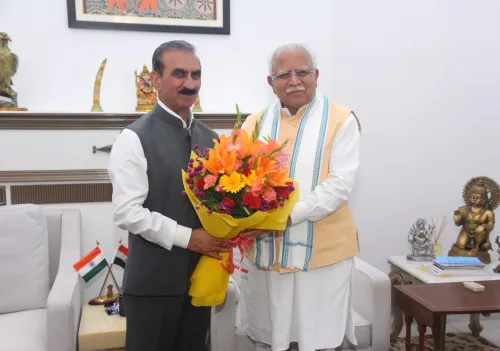
The Chief Minister's Office of Himachal Pradesh announced on Tuesday, 16 June 2026 that after detailed deliberations, Delhi, Haryana, and Rajasthan have agreed to jointly advance a major inter-state infrastructure project — with Himachal Pradesh bearing zero capital expenditure and standing to gain approximately Rs 600 crore annually over the next five years.
Context
The CMO's post, written in Hindi, states: 'विस्तृत विचार-विमर्श के बाद यह सहमति बनी कि दिल्ली, हरियाणा और राजस्थान मिलकर इस परियोजना को आगे बढ़ाएंगे' ('After extensive deliberations, consensus was reached that Delhi, Haryana and Rajasthan will jointly take this project forward'). It further confirms that the Himachal Pradesh government will not have to spend even a single rupee on the project, while the state will receive a benefit of approximately Rs 600 crore per year over the coming five years.
The announcement points to a multi-state cost-sharing model where downstream beneficiary states fund upstream infrastructure, a pattern increasingly common across Himalayan river basins.
Policy Backdrop
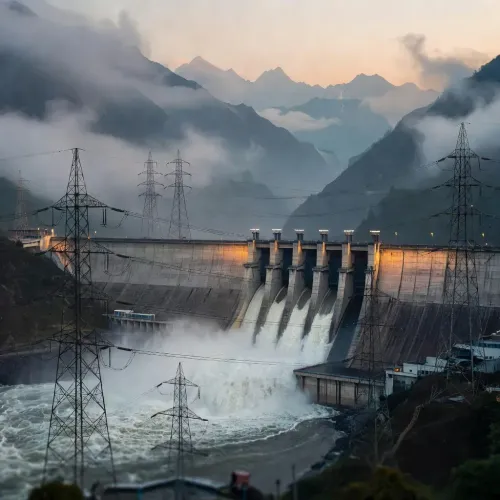
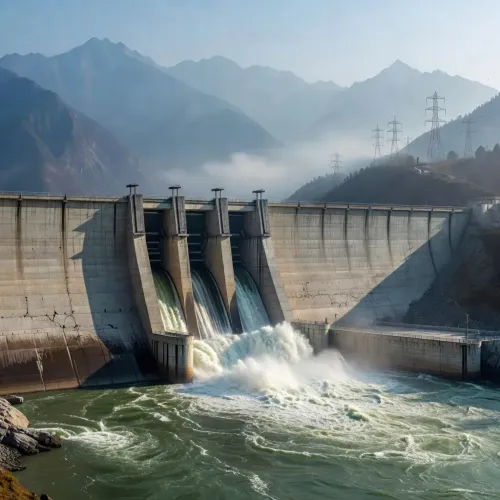
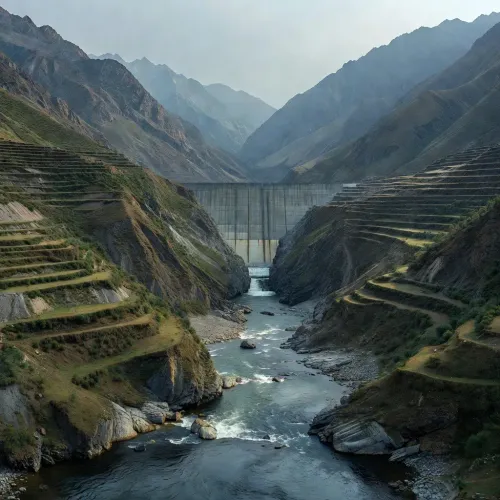
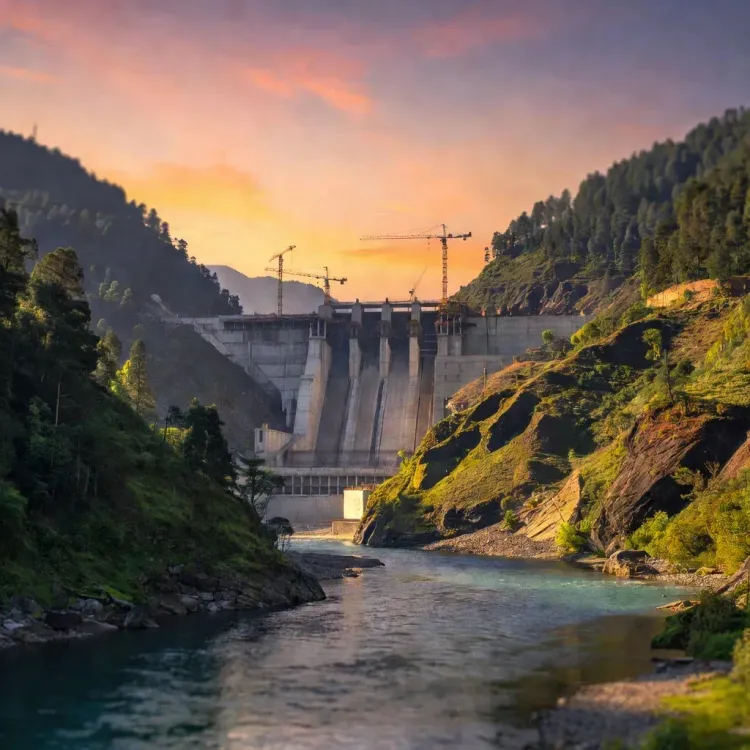
The project aligns with a framework that traces its lineage to agreements reached around 2019 and subsequent inter-state meetings in 2021-22, under which beneficiary states in the plains agreed to finance storage infrastructure in Himachal Pradesh in exchange for assured water supply. The Renukaji Multipurpose Project on the Giri river in Sirmaur district is a prominent example of this model — a dam designed to store and channel drinking water to downstream states, with the host state earning royalties, power allocations, or water charges without any capital outlay from its own budget.
Himalayan states have increasingly leveraged their geographic position as hosts of river storage sites, allowing lower-riparian urban states facing acute drinking-water demand to finance upstream construction. This dynamic is visible across the Yamuna and Sutlej sub-basins.
Stakeholders and Impact
For Himachal Pradesh, the arrangement is fiscally advantageous: an estimated annual inflow of Rs 600 crore with no corresponding capital burden on the state exchequer. For Delhi, Haryana, and Rajasthan, the project addresses long-term drinking-water security for millions of residents across the National Capital Region and beyond.
Water users in downstream urban centres stand to benefit from more reliable and expanded supply once the project becomes operational. The Himachal Pradesh exchequer, meanwhile, gains a recurring revenue stream that can be directed toward state development priorities.
What's Next
Observers will watch for the release of the first instalment of the annual benefit to Himachal Pradesh, progress on statutory and environmental clearances, and any revision to the cost-sharing formula once a finalised detailed project report is in place. The agreement among Delhi, Haryana, and Rajasthan to collectively advance the project marks a significant step, but formal financial commitments and timelines are yet to be publicly detailed.
If the arrangement holds, it could serve as a replicable template for other Himalayan host states seeking infrastructure investment without fiscal strain — reshaping how India funds inter-state water security projects in the decades ahead.
Point of View
Where geography becomes a bargaining chip for cash-strapped hill states. By securing a guaranteed Rs 600 crore annual inflow without any capital outlay, the Himachal Pradesh government scores a politically low-risk, fiscally attractive win — especially ahead of future budget cycles. The trilateral buy-in from Delhi, Haryana, and Rajasthan also signals that downstream water stress has reached a threshold where urban states are willing to pay upstream states for storage capacity. Whether this agreement translates into binding financial commitments on schedule will determine if it becomes a model or a missed opportunity.
NationPress
20 Sept 2026
Frequently Asked Questions
What is the inter-state project that Delhi, Haryana and Rajasthan will fund in Himachal Pradesh?
The project referenced in the announcement is consistent with the Renukaji Multipurpose Project on the Giri river in Sirmaur district, Himachal Pradesh, designed to store and supply drinking water to downstream states. Delhi, Haryana, and Rajasthan are the beneficiary states that will jointly fund it.
How much money will Himachal Pradesh get from this project?
According to the Chief Minister's Office of Himachal Pradesh, the state will receive approximately Rs 600 crore per year over the next five years, without spending any of its own funds on the project.
Will Himachal Pradesh have to pay for this infrastructure project?
No. The CMO explicitly stated that the Himachal Pradesh government will not have to spend even a single rupee on the project. The entire cost will be borne by Delhi, Haryana, and Rajasthan.
Why are Delhi, Haryana and Rajasthan funding a project in Himachal Pradesh?
The three states are beneficiaries of the water storage the project will provide. Downstream states facing drinking-water demand increasingly finance upstream Himalayan dams in exchange for assured water supply, a model seen across the Yamuna and Sutlej river basins.
When was the agreement on the Himachal Pradesh project announced?
The Chief Minister's Office of Himachal Pradesh announced the consensus on 16 June 2026, stating that detailed deliberations had led to the agreement among Delhi, Haryana, and Rajasthan to jointly advance the project.