CM Vishnu Deo Sai Extends Nuakhai Greetings to Chhattisgarh
Synopsis
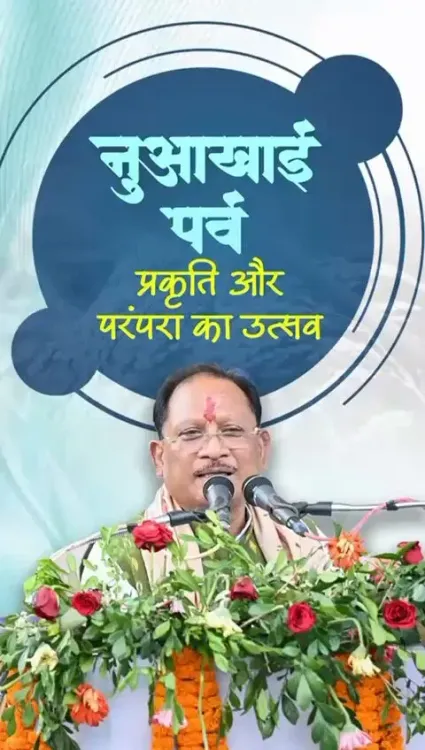
Chhattisgarh CM Vishnu Deo Sai greeted farmers and tribal communities on Nuakhai, the harvest festival where new grain is first offered to deities, calling it a celebration of agricultural tradition, mutual love, and the bonds strengthened through elders' blessings.
Key Takeaways
Chhattisgarh Chief Minister Vishnu Deo Sai extended greetings on Nuakhai on 15 October 2026 .
Nuakhai is a harvest festival observed in Chhattisgarh and western Odisha , centred on offering newly harvested grain to deities.
CM Sai described the festival as a symbol of 'rich tradition and agricultural culture.' He highlighted Nuakhai's social dimension — fostering mutual love, harmony, and respect for elders.
The festival holds deep significance for the state's large farming and tribal populations.
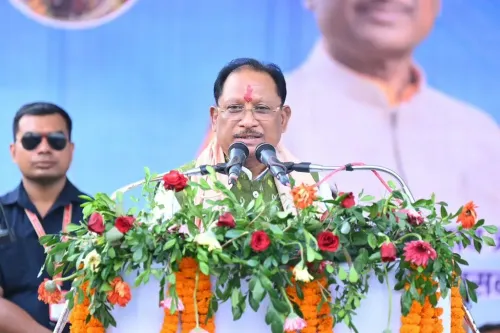
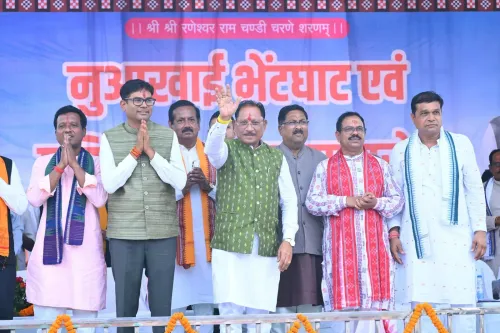
Harvest season carries its own quiet power in central India — and Chhattisgarh Chief Minister Vishnu Deo Sai marked that moment on Thursday, 15 October 2026, extending warm wishes to the state's farmers and tribal communities on the occasion of Nuakhai, one of the region's most cherished agricultural festivals.
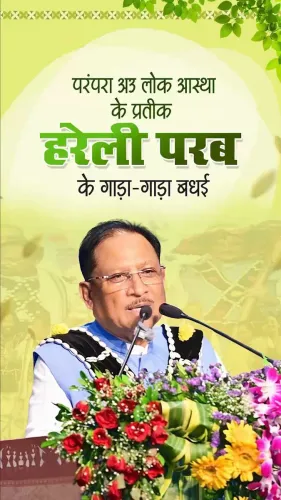
In his message, CM Sai described Nuakhai as 'hamari samridh parampara aur krishi sanskriti ka pawan parv' — 'a sacred festival of our rich tradition and agricultural culture.' He noted that on this day, freshly harvested grain is first offered to presiding deities before being received as prasad by devotees, a ritual that binds the community's spiritual life to the rhythm of the earth.
New grain, old bonds: what Nuakhai means
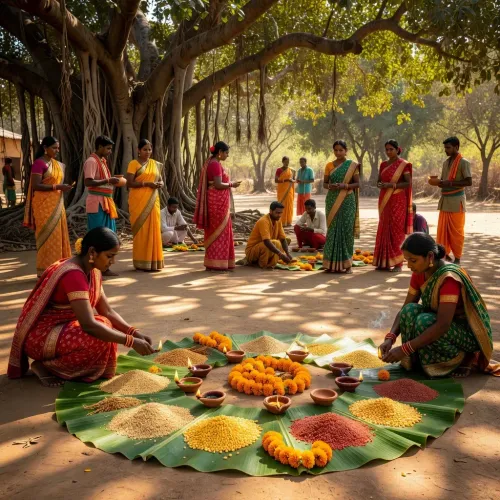
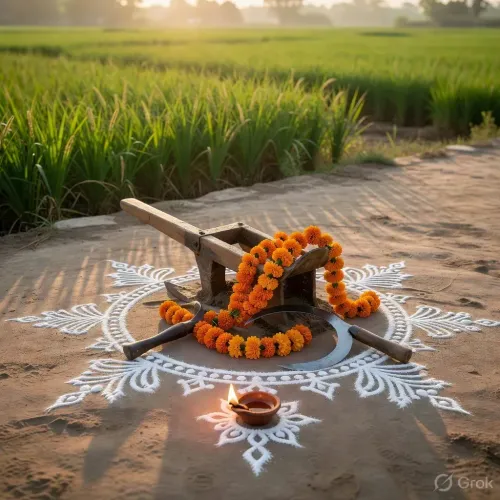
Nuakhai — literally 'new food' — is observed primarily across Chhattisgarh and the western districts of neighbouring Odisha. At its heart is the act of offering the season's first rice to the household deity before any family member tastes it, a gesture that frames agriculture not merely as livelihood but as a covenant between people, land, and the divine.
Beyond the ritual, the festival is a social occasion — a time for reconciliation, the seeking of elders' blessings, and the renewal of family ties. CM Sai's message leaned into precisely this dimension, calling Nuakhai a reminder to strengthen relationships through 'mutual love, harmony, and the blessings of elders.'
Cultural outreach in a state shaped by its soil
Chhattisgarh's population is among India's most agrarian, with a substantial tribal demographic whose identity is interwoven with seasonal cycles and forest-rooted festivals. For an elected leader, acknowledging Nuakhai is an acknowledgment of that reality — a signal that the rhythms of rural life hold a place in the state's public discourse.
Indian state leaders routinely mark regional harvest festivals, but Nuakhai occupies a particularly resonant place in the Chhattisgarh-Odisha belt, cutting across caste and community lines. Its spirit — gratitude before consumption, community before self — travels well beyond the paddy fields where it was born.
Point of View
Marking Nuakhai is both cultural recognition and strategic outreach. The festival's emphasis on gratitude, community bonds, and reverence for elders maps neatly onto the governing party's broader cultural-nationalist messaging. At the same time, Nuakhai transcends party lines in Chhattisgarh and Odisha — any leader who ignores it risks appearing out of step with the state's grassroots pulse. Sai's message, warm but brief, reads as routine cultural acknowledgment rather than a policy announcement.
NationPress
15 Oct 2026
Frequently Asked Questions
What is Nuakhai festival?
Nuakhai, meaning 'new food,' is a harvest festival observed in Chhattisgarh and western Odisha where the first grain of the new harvest is offered to presiding deities before being consumed by the family as prasad.
When is Nuakhai celebrated in 2026?
In 2026, Chhattisgarh CM Vishnu Deo Sai extended Nuakhai greetings on 15 October 2026 , indicating the festival fell around that date.
Why is Nuakhai important for Chhattisgarh?
Chhattisgarh has a large agricultural and tribal population for whom Nuakhai represents both a spiritual ritual and a social occasion for renewing family bonds and seeking elders' blessings.
What did CM Vishnu Deo Sai say about Nuakhai?
CM Sai called Nuakhai a 'sacred festival of our rich tradition and agricultural culture' and said it teaches mutual love, harmony, and the strengthening of relationships through elders' blessings.
Is Nuakhai only celebrated in Chhattisgarh?
No — Nuakhai is observed across Chhattisgarh and the western districts of neighbouring Odisha, making it a shared cultural festival for communities in both states.