CM Sai attends Nuakhai Bhetghat and Pratibha Samman in Raigarh
Synopsis
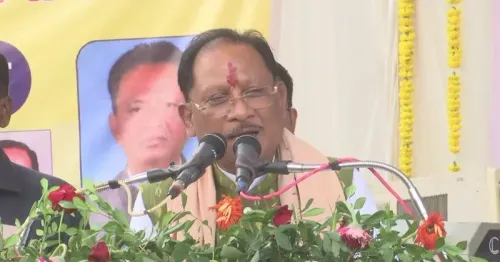
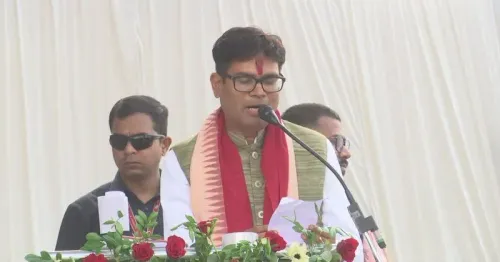
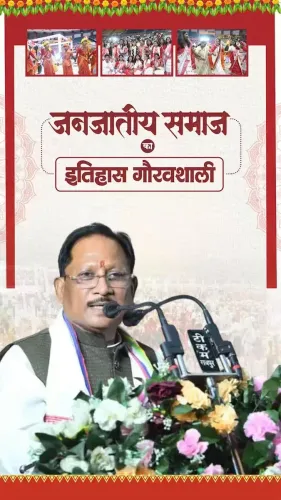
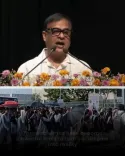
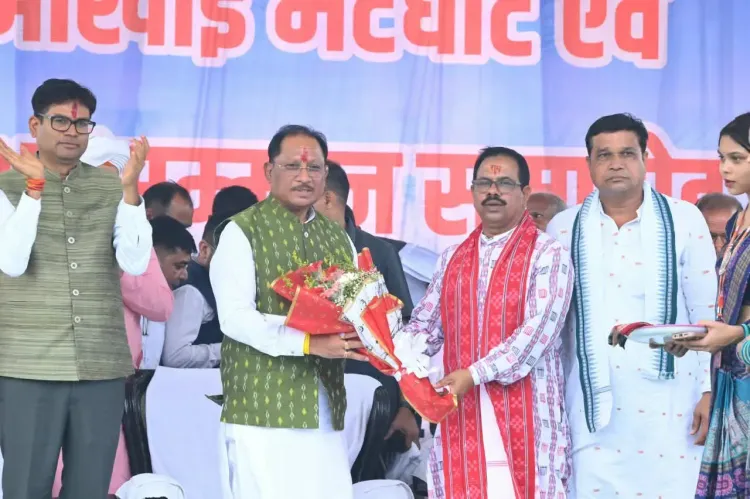
Chief Minister Vishnu Deo Sai joined the Nuakhai Bhetghat and Pratibha Samman Samaroh at Shaheed Colonel Viplav Tripathi Stadium in Raigarh on October 15, 2026, combining the tribal harvest festival with a felicitation of local achievers in one of Chhattisgarh's key tribal districts.
Key Takeaways
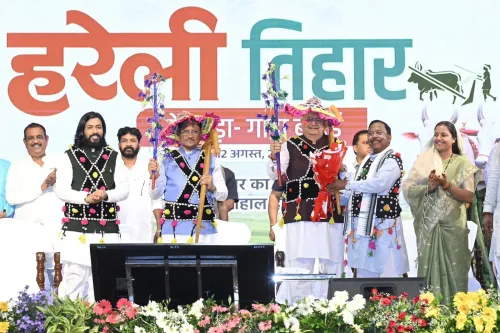
Chief Minister Vishnu Deo Sai attended the Nuakhai Bhetghat evam Pratibha Samman Samaroh in Raigarh on October 15, 2026 .
The event was held at Shaheed Colonel Viplav Tripathi Stadium , named after the Army officer killed in Manipur in 2021.
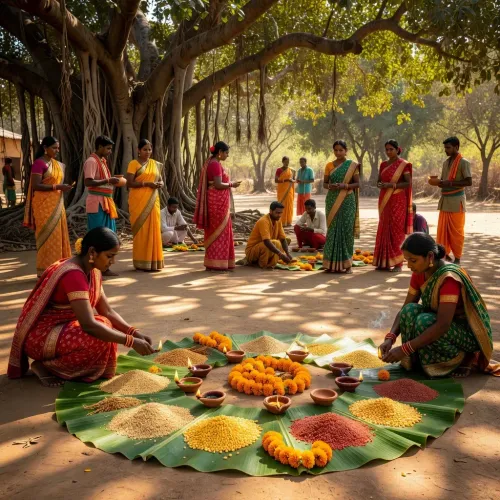
Nuakhai is a major harvest festival for tribal communities in eastern Chhattisgarh and western Odisha, centred on the ritual first consumption of new rice.
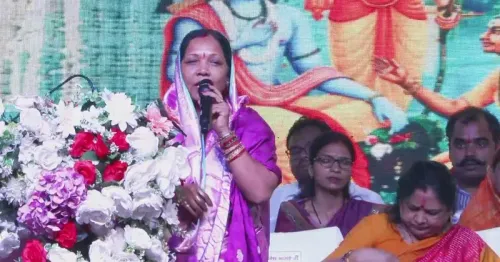
The programme combined traditional bhetghat (community gathering) with a Pratibha Samman felicitation of local talent.
Raigarh is a key district in Chhattisgarh's tribal belt with deep cultural ties to Nuakhai observance.
The event was tagged #Sushasansarkar , aligning cultural engagement with the BJP government's 'good governance' branding.
Harvest season came alive in Raigarh on Thursday, October 15, 2026, as the Chief Minister's Office of Chhattisgarh announced Chief Minister Vishnu Deo Sai's participation in the Nuakhai Bhetghat evam Pratibha Samman Samaroh — a gathering that weaves together the ancient harvest ritual of Nuakhai with a public felicitation of local talent.
Nuakhai at Shaheed Colonel Viplav Tripathi Stadium
The event was held at Shaheed Colonel Viplav Tripathi Stadium, Raigarh — a venue named after the Army officer who died in a militant ambush in Manipur in 2021, lending the setting a layer of solemn pride. Raigarh, a district in eastern Chhattisgarh with deep tribal roots and a significant industrial presence, is one of the traditional heartlands for Nuakhai celebration at the district level.
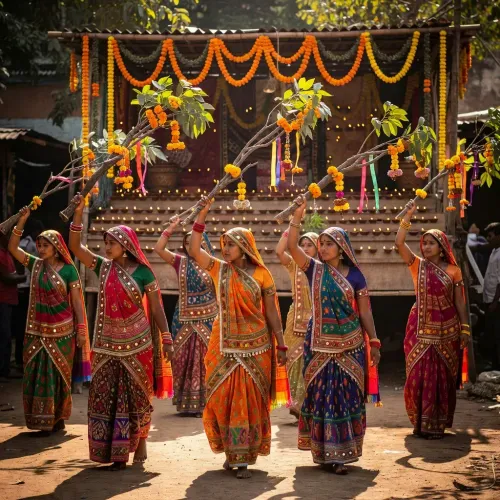
Nuakhai — meaning 'new food' — is among the most important festivals for tribal communities across eastern Chhattisgarh and western Odisha. It marks the ritual first consumption of the freshly harvested rice crop, accompanied by community prayers, music, and the customary bhetghat (community gathering and exchange of greetings). The festival anchors agricultural identity, family bonds, and indigenous culture in a single shared moment.
Pratibha Samman: recognising local achievers
Paired with the harvest observance was a Pratibha Samman — a felicitation of local talent, likely spanning youth achievers from the district. State governments in central India have long used such combined formats to give harvest festivals a forward-looking dimension: honouring the community's past through ritual while spotlighting its future through recognition of young achievers.
Chief Minister Sai, who came to office in December 2023 following the BJP's Chhattisgarh assembly victory, has continued the state's practice of district-level Nuakhai events as part of broader cultural outreach to tribal communities. The hashtag #Sushasansarkar — meaning 'good governance government' — was attached to the post, framing the event within the administration's self-projected identity of inclusive, responsive rule.
What this moment signals for tribal outreach in Chhattisgarh
State administrations across central and eastern India regularly stage regional harvest festivals to maintain cultural and political engagement with tribal populations. Such visible participation by a sitting Chief Minister at a district-level event sends a deliberate signal: that tribal customs are not peripheral to governance, but central to it. Similar district-level Nuakhai programmes are expected in subsequent weeks across the state's tribal belt.
For Raigarh's communities, the stadium filled with the fragrance of new rice, the colour of traditional dress, and the applause for the district's brightest — a reminder that governance, at its most effective, still finds its footing in the rhythms of the land.
Point of View
The BJP government in Chhattisgarh is actively weaving tribal cultural identity into its 'good governance' narrative, a contrast it seeks to draw with previous administrations. The pairing of an ancient harvest ritual with a youth felicitation also signals a dual pitch — to older communities rooted in tradition and to younger voters seeking recognition. Whether such cultural engagement translates into tangible policy outcomes for tribal welfare remains the sharper, more consequential question.
NationPress
15 Oct 2026
Frequently Asked Questions
What is Nuakhai festival?
Nuakhai is an annual harvest festival observed by tribal communities in eastern Chhattisgarh and western Odisha. It marks the ritual first consumption of the newly harvested rice crop, accompanied by prayers, music, and community gatherings called bhetghat.
Where was the Nuakhai Bhetghat event held in 2026?
The Nuakhai Bhetghat evam Pratibha Samman Samaroh was held at Shaheed Colonel Viplav Tripathi Stadium in Raigarh, Chhattisgarh, on October 15, 2026.
Who is Vishnu Deo Sai?
Vishnu Deo Sai is the Chief Minister of Chhattisgarh, representing the Bharatiya Janata Party. He was sworn in December 2023 after the BJP won the state assembly elections.
Who was Shaheed Colonel Viplav Tripathi?
Colonel Viplav Tripathi was an Indian Army officer who was killed in a militant ambush in Manipur in 2021. The stadium in Raigarh is named in his honour.
Why does the Chhattisgarh government organise district-level Nuakhai events?
State governments in central and eastern India organise district-level Nuakhai events to maintain cultural and political engagement with tribal communities, reinforcing inclusive governance and preserving indigenous traditions.